Are AI Data Centers a Health Concern?
(MedPage Today) -- With the public release of ChatGPT in late 2022, artificial intelligence (AI) has been thrust into the mainstream -- incorporated into various industries as well as our personal lives. In healthcare, AI scribes are prominent...
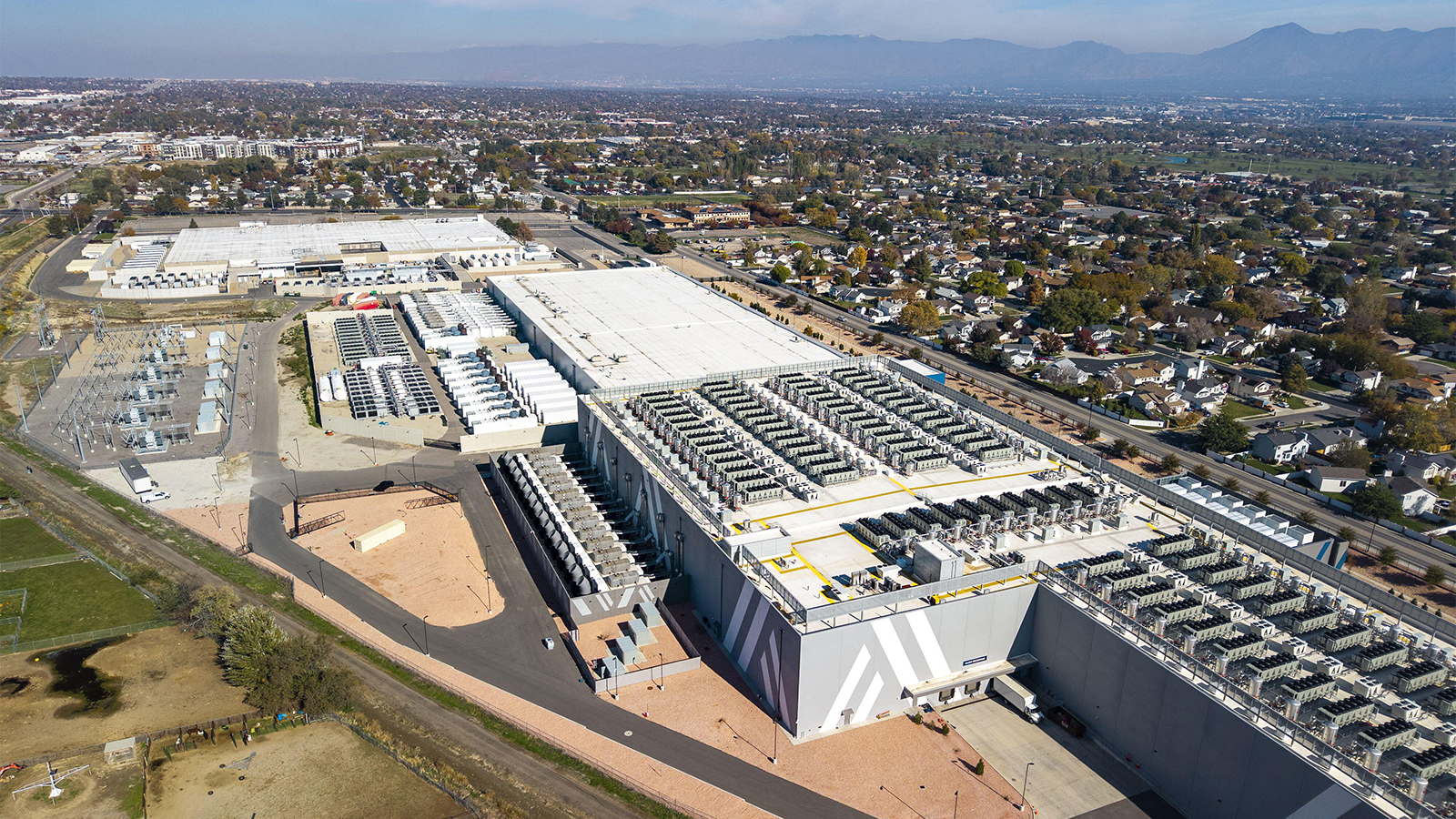
Since the debut of ChatGPT in late 2022, artificial intelligence (AI) has become mainstream, integrated into various industries and personal life. In healthcare, AI scribes play a significant role, with peers relying on OpenEvidence during clinical practice. However, the rise of AI is accompanied by immense health and environmental costs, primarily due to the proliferation of hyper-scale data centers, which can span more than 17 football fields.
Communities across the nation are battling these developments, urging for moratoriums and scaling back on expansion while advocating for safe policies and regulations.
Data centers should be sized just enough to run basic functions, built sustainably, and involve transparency and community input throughout the development process. These structures should not exacerbate the historical harms and injustices faced by certain communities. The energy and pollution associated with AI data centers present a significant health concern.
These facilities consume vast amounts of energy to operate AI processes, and their rapid expansion has delayed the shutdown of fossil fuel generators, which would have otherwise been phased out by 2025. Burning fossil fuels releases harmful pollutants linked to poor health outcomes, including premature death, lung diseases, cognitive decline, and heart attacks.
Studies show that AI's contribution to air pollution could lead to 1,300 premature asthma-related deaths in 2030.
Moreover, the continuous emission of air pollutants by data centers results in short-term exposure to PM2.5, which has been associated with 1 million premature deaths from 2000-2019. The prevalence of these pollutants is worsened in fence-line communities, predominantly Black, Latino, and low-income populations, who are already disproportionately affected by living near polluting infrastructures.
Additionally, data centers are often built in drought-prone areas, exacerbating water scarcity and increasing the risk of dehydration, waterborne illnesses, and related mental health consequences.
Water concerns are another issue for data centers, as they require copious amounts of potable water not only to cool servers but also to generate electricity. Many data centers are constructed in arid regions, placing additional stress on communities already grappling with water scarcity and elevating the risk of dehydration and waterborne illnesses.
Furthermore, the generation of electricity for data centers contributes significantly to their water usage. In Texas, California, Georgia, Ohio, Illinois, Arizona, and Virginia, 3.4 trillion gallons of freshwater are consumed annually for data center electricity, which is approximately 12 times the water utilized by data centers in Los Angeles, Washington, DC, and Phoenix combined.
Noise pollution is yet another concern related to data centers. Diesel generators, cooling towers, and machinery within these facilities emit persistent noises that have caused distress to surrounding communities. The World Health Organization notes that noise pollution is linked to various mental health issues, such as heart attacks, strokes, and poor academic performance in children, as well as infrasound waves that can induce anxiety, headaches, stress, vertigo, and insomnia.
Some data center components, like cooling towers, can generate noise levels up to 70 decibels within a 400-foot radius, and industrial-sized diesel generators can reach 105 decibels, continuously emitting sound waves and disturbances.
Lastly, while not as frequently discussed, data centers must also consider their environmental impact to prevent potential light pollution. This can disrupt circadian rhythms, leading to sleep disturbances and associated health risks, including impaired attention and memory, dementia, obesity, hypertension, and mood disorders like depression.
Written by urgent.news from MedPage Today's reporting — not their text. Machine-written — may contain errors; check the original before relying on it.