Anurag Kashyap critiques Bollywood’s formula films, calls for institutional support for independent cinema
The filmmaker credits institutional backing for giving independent projects creative freedom, while citing Malayalam cinema’s collaborative production culture as an example for other industries.
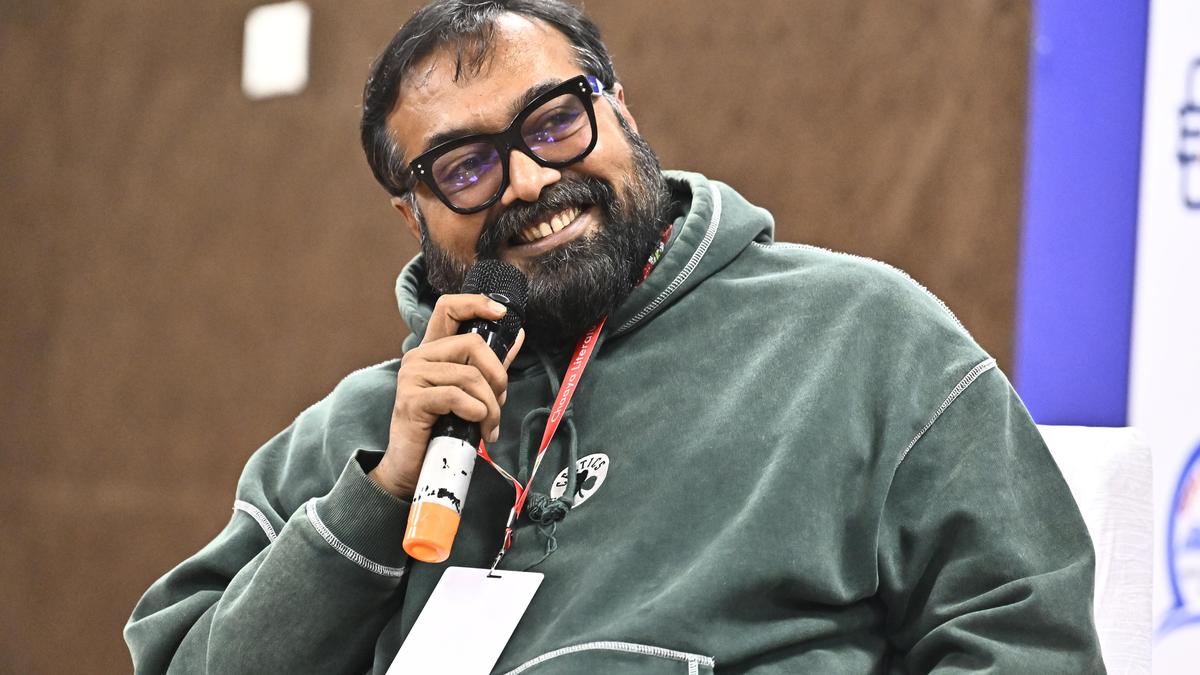
Filmmaker Anurag Kashyap critiqued the commercial nature of Bollywood during the opening day of the Chaaya Literature Festival at Dr. B.R. Ambedkar Open University. Comparing contemporary Bollywood to a franchise of McDonald's, Kashyap argued that algorithms and market calculations were increasingly shaping the kind of films being made.
He expressed concern over the shift from allowing stories and characters to take precedence to focusing on creating events around releases and emphasizing star appearances and spectacle. Kashyap was critical of the industry's obsession with box-office milestones, stating that the pursuit of collection targets had created false benchmarks for success.
He also questioned the term 'pan-India cinema', describing it as a business-driven concept. Kashyap called for institutional funding similar to cultural funds in other countries, which would allow filmmakers to pursue ideas without carrying the burden of commercial recovery. He recalled that the National Film Development Corporation (NFDC) had supported his film That Girl in Yellow Boots, allowing him to make the film without commercial pressures.
The filmmaker expressed concern about restrictions on public expression, stating that censorship affected not just films but also literature and the exchange of ideas. He highlighted the collaborative culture of Malayalam cinema, citing actors like Fahadh Faasil who support productions by other filmmakers and actors. Kashyap also acknowledged the recent output of Tamil cinema.
Despite not directing a film in two years, Kashyap continues to write by hand, producing between 40 and 60 pages a day. He credited literature with remaining an important influence on his creative work, noting that he had read the Ramayana and the Mahabharata growing up and was inspired by Vittorio De Sica's Bicycle Thieves.
Written by urgent.news from The Hindu's reporting — not their text. Machine-written — may contain errors; check the original before relying on it.