Albanese is caught between climate ambition and political reality at COP31
Australia wants to establish itself as a serious global climate player, but its efforts at this week's UN climate change conference expose the contradictions in current climate politics, both internationally and at home.
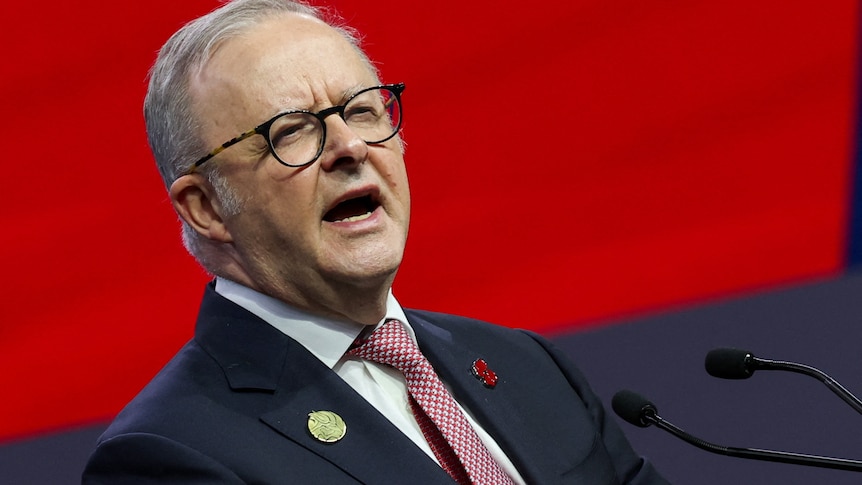
Australia's delegation to COP31 in Türkiye is demonstrating climate leadership while navigating domestic political realities. Prime Minister Anthony Albanese aims to champion the Pacific nations, especially Tuvalu, during the summit, but faces criticism for not making bold promises on fossil fuels. The government's pragmatic approach to energy has its defenders, yet leaves Australia susceptible to accusations of avoiding critical climate questions.
Despite the indifference from some delegates, Albanese's speech aimed to amplify Pacific voices at the summit, which they rewarded by speaking up in defense of Australia's stance. Prime Minister Albanese's opening remarks at the leaders' summit in Antalya were seen as an attempt to highlight the urgent need to address the existential threat of climate change faced by Pacific islands.
While the government has presented a staged transition to electrification, climate advocates argue that this falls short of the ambitious targets needed to meet climate goals. Meanwhile, the opposition has seized on domestic political issues, such as the cost of a coffee cart at the Australian pavilion, to criticize the government's climate efforts.
This focus on domestic concerns highlights the divergence between the geopolitical significance of COP31 and the immediate challenges faced by Australians.
Written by urgent.news from ABC News AU's reporting — not their text. Machine-written — may contain errors; check the original before relying on it.