A family photo, a hand to hold: An occupational therapist learnt what matters most to dying patients
Some patients worry less about dying than about the loved ones they will leave behind. For St Luke’s Hospital occupational therapist Esther Lim, caring for people nearing the end of life has revealed their regrets, surprisingly simple wishes and moments of joy.
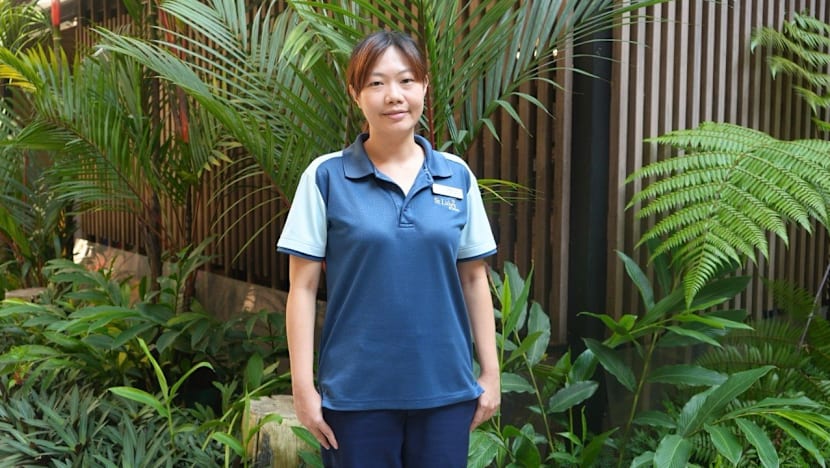
Some patients entering the final stages of life worry not about their own mortality, but about the emotional and financial well-being of their loved ones left behind. Occupational therapist Esther Lim, who has been working with terminally ill patients at St Luke's Hospital for the past three years, has observed the evolving priorities of these patients. To them, the most important things often revolve around their loved ones, rather than their own comfort and well-being.
Lim recalls a case where an elderly patient, who had only months left to live, requested a photo shoot with his loved ones. Another patient asked to return home and spend his remaining time with family. Some patients wrote letters, made cards, or recorded messages for their loved ones, while others aimed to reconcile with estranged family members. Lim noted that when time is limited, patients' priorities often become more centered around the well-being of their loved ones, both emotionally and financially.
In her role as an occupational therapist in the palliative care ward at St Luke's, Lim is part of a multidisciplinary team that helps patients navigate the last days of their lives. She explained that while occupational therapy usually focuses on restoring function and independence, in palliative care, the goals are different. "In palliative care, the goals of OT are not so much restoring function or independence, but about bringing comfort, exploring meaning, and having closure," she said.
This can include managing symptoms like pain, fatigue, and breathlessness through energy conservation techniques, as well as modifying tasks and the patient's environment.
One particularly poignant moment for Lim came when she encountered an elderly patient with only months to live. Instead of requesting practical assistance, the patient asked if he could hold Lim's hand. This interaction made Lim realize that in palliative care, sometimes the simplest things can bring comfort and a sense of connection. It also inspired her to focus on helping patients fulfill their last wishes and create meaningful memorabilia to leave behind for their loved ones.
For patients who struggle with writing, Lim adapts by adjusting their sitting position, propping them up in bed, and providing a modified table. When verbal communication is no longer possible, Lim explores alternative methods like audio recordings and photographs. She noted that patients do not always want their messages handed over immediately—some prefer to have their loved ones read them upon their passing.
Lim also assists some patients in fulfilling their final wishes, such as going home, which can be challenging when family members cannot provide adequate care at home.
Written by urgent.news from CNA - Singapore's reporting — not their text. Machine-written — may contain errors; check the original before relying on it.