Would Israel’s regional policy change under Gadi Eisenkot?
Israel’s parliament was sworn in this week following last month’s elections, although a new government has yet to be formed. President Isaac Herzog has given that mandate to opposition leader Gadi Eisenkot , who has 28 days to form a coalition, with a possible two-week extension. He has several options but none of them will be easy. Getting the majority he needs will require support from either…
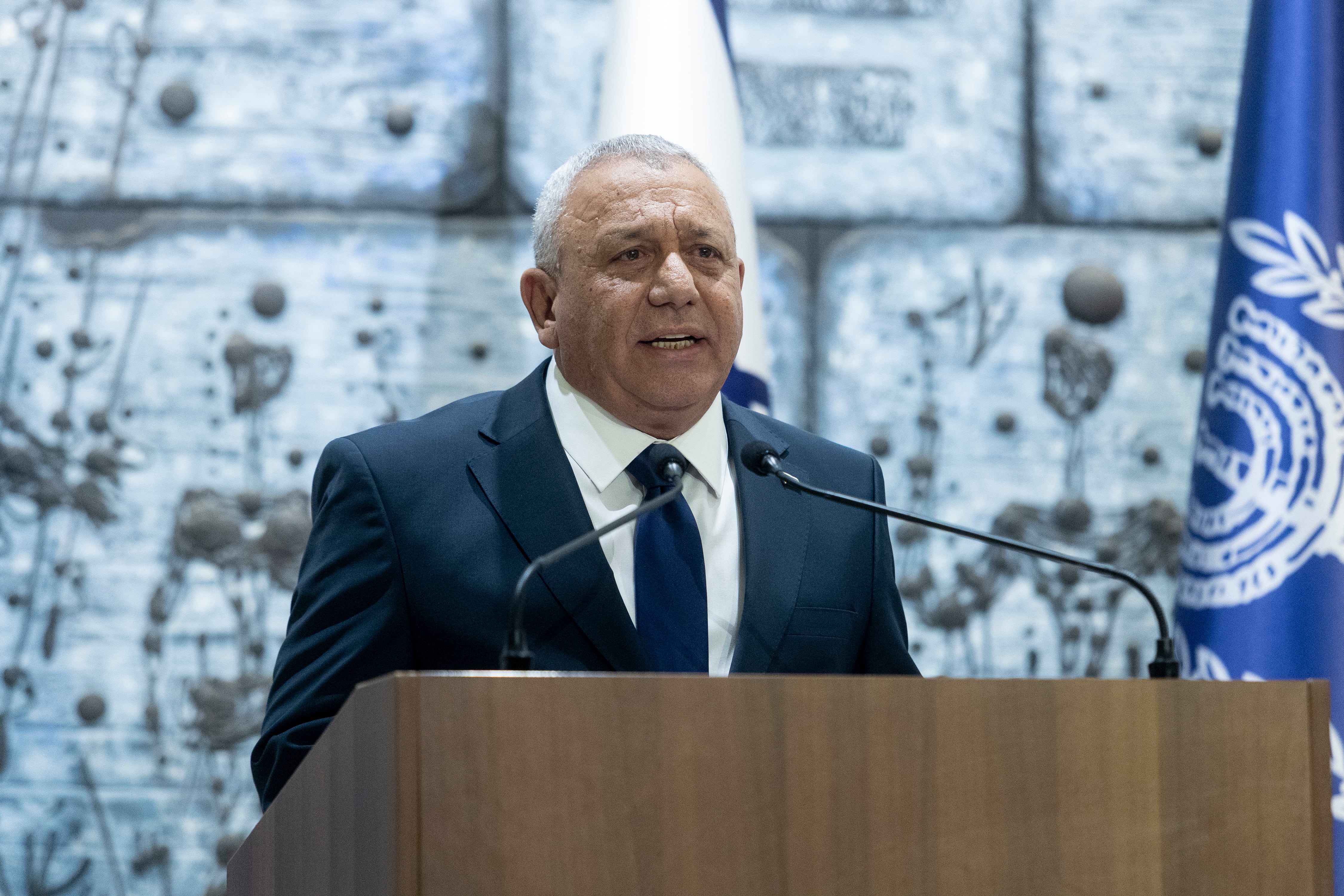
Following the recent Israeli elections, President Isaac Herzog has tasked opposition leader Gadi Eisenkot with forming a new government, granting him 28 days to create a coalition, with a potential two-week extension. Eisenkot faces a challenging task as he must secure the necessary majority support, which may require backing from either the Arab lists or ultra-Orthodox parties who have defected from Prime Minister Benjamin Netanyahu's coalition.
The composition of the next government could have significant implications for Israel's regional policies, affecting not only the occupied West Bank and Gaza, but also its relationships with neighboring countries such as Iran, Lebanon, and Syria. While Eisenkot has expressed a stance against entering war unless faced with an immediate threat, there are still uncertainties about the extent to which his government's approach might differ from Netanyahu's.
In an episode of Beyond the Headlines, host Nada AlTaher engages in a conversation with Daniel Levy, president of the US Middle East Project and a former Israeli peace negotiator, to explore these possibilities.
Written by urgent.news from The National UAE's reporting — not their text. Machine-written — may contain errors; check the original before relying on it.