Will AI Change North Korea’s Nuclear Calculus?
Nuclear stability requires mutual vulnerability. Artificial general intelligence could upset asymmetric deterrence equilibria, especially vis-à-vis Pyongyang.
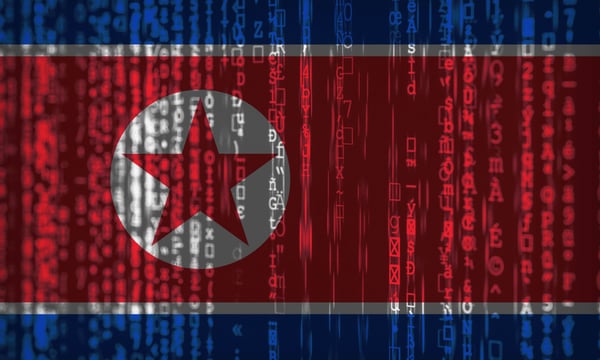
The United States has long grappled with AI's role in nuclear command and control, while also dreading the potential military implications of China-U.S. AI competition. However, little attention has been given to the impact of North Korean leader Kim Jong Un's deterrence calculus if the U.S. were to gain a powerful artificial general intelligence (AGI) advantage.
AGI, which matches human performance across cognitive tasks, could further destabilize already deteriorating nuclear deterrence relationships. Weaker AI powers could become especially problematic for North Korea. If the U.S. obtains AGI or AGI-like capabilities, Pyongyang might adopt an aggressive "use it or lose it" mentality, fearing a first strike that would eradicate its nuclear weapons and decapitate its leadership.
The perceived acquisition of AGI and subsequent development of deterrence-nullifying capabilities matters more than the actual capabilities. North Korea's aggressive nuclear posture and paranoid view of U.S. intentions could exacerbate the situation even before AGI capabilities are operational. If AGI takeoff unlocks exponential growth, a cascade of technological breakthroughs could lead to unprecedented economic growth and military capabilities, potentially eroding or eliminating the second strike capabilities of non-AGI powers.
This psychological tendency to become more risk-prone in the face of losses, known as prospect theory, would amplify the fears of non-AGI nuclear weapons powers, leading them to adopt a more aggressive posture, likely with North Korea. If recursive self-improvement leads to artificial superintelligence (ASI), the stakes would become much higher, and nuclear decision-making timelines would become even more compressed.
While AI development timelines and AGI consequences remain debated, the evidence suggests huge capability increases are possible. Even though strategic deterrence nullification would likely lag AGI by many years, AI timelines are advancing faster than expected. North Korea's force posture is already changing, and new command-and-control safeguards may take years to agree upon and implement.
AGI attainment would bring considerable geopolitical disruptions, altering the nuclear balance-of-power. China and Russia, as key competitors of the U.S., could be incentivized to act aggressively if the U.S. is first to approach AGI attainment. However, the most dangerous AGI-related dangers may come from less-capable nuclear powers, especially North Korea, due to its aggressive and decentralized nuclear command and control, aggressive nuclear doctrine, severe technical and geographic disadvantages, and paranoid disposition towards the U.S.
Rewritten by urgent.news; may contain errors — check the original.
Source: thediplomat.com