US officials and experts demand galamsey crackdown as Ghana’s water degradation hits 60%
The United States and scientific experts have made an urgent call for a crackdown on illegal small-scale gold mining, otherwise known as galamsey, as mercury-driven pollution has already degraded 60 per cent of Ghana’s freshwater sources. The post US officials and experts demand galamsey crackdown as Ghana’s water degradation hits 60% appeared first on Ghana Business News .
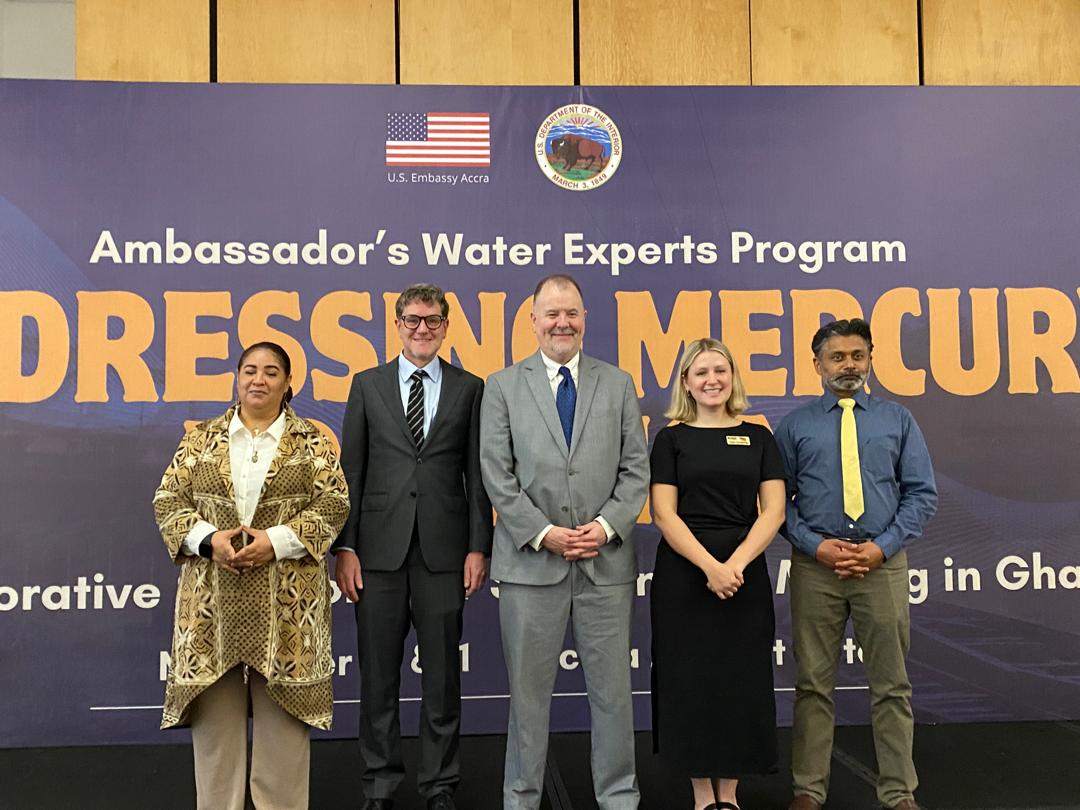
U.S. officials and scientific experts have urged an immediate crackdown on illegal small-scale gold mining, or galamsey, due to mercury pollution that has already ruined 60% of Ghana's freshwater sources. This call comes during the Ambassador's Water Experts Programme symposium in Accra, aimed at promoting sustainable mining practices in the country.
Delegates from government, academia, civil society, development partners, and the private sector gathered to address the issue of mercury pollution and discuss collaborative solutions for sustainable mining.
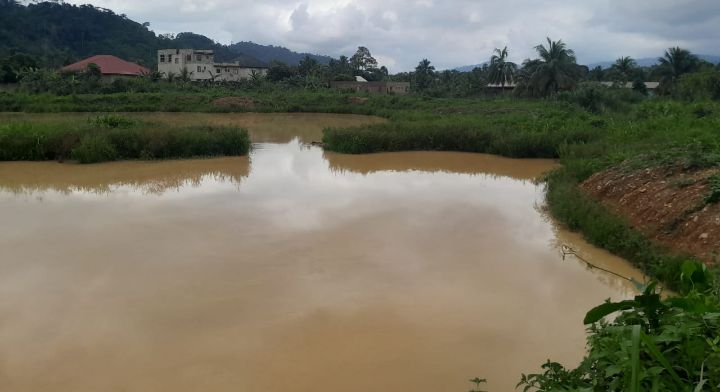
A 2024 baseline assessment by the U.S. Geological Survey found that the total mercury levels in unfiltered water from the Ankobra and Pra rivers were more than 55 times higher than the U.S. average. River sediments were also found to be two to 25 times higher than normal. The contamination of the Birim River reached an alarming 63 million Nephelometric Turbidity Units (NTU), far beyond the 200 NTU treatable level, making a community water treatment plant unable to function.
According to Sarah Cobb of the U.S. Bureau of Oceans and International Environmental and Scientific Affairs, 60% of Ghana's freshwater sources have degraded due to illegal mining and the use of mercury for extraction. Cobb emphasized that mercury pollution poses significant threats to public health, food security, and economic opportunities, as it contaminates not only drinking water but also fish and farm products.
She commended Ghana's efforts, including its five-step anti-galamsey plan and the Minerals Commission's drone-equipped command centre, as crucial steps towards turning commitment into lasting results.
U.S. Ambassador Rolf Olson reiterated that mercury pollution from illegal mining endangers river ecosystems, drinking water supplies, agricultural products, and the health of communities that rely on those waters. He stressed that safeguarding Ghana's waters is essential for food security, economic resilience, self-sustaining health systems, and long-term prosperity.
The ambassador stated that the U.S. stands ready to support Ghana in combating this destructive and illegal practice, emphasizing that together they can advance responsible mining, protect Ghana's freshwater resources, and build a healthier and more prosperous future.
Dr. Zanetor Agyeman-Rawlings, the Minister of Environment, Science and Technology, addressed stakeholders, highlighting the need for scientific research, technological innovation, effective governance, and community participation in addressing mercury pollution. She stressed that protecting Ghana's rivers is vital to ensure they remain sources of life, not carriers of pollution, and that the gold beneath the soil does not come at the expense of the water that sustains the people.
Written by urgent.news from Ghana Business News's reporting — not their text. Machine-written — may contain errors; check the original before relying on it.
This story
This is one outlet's version. Read the fullest account.
- Ghana risks importing water as miners struggle to afford mercury-free gold catchers ghanabusinessnews.com