The yen is becoming too difficult for some investors to trade
Traditional signals such as interest-rate differentials have become less reliable guides for the currency.
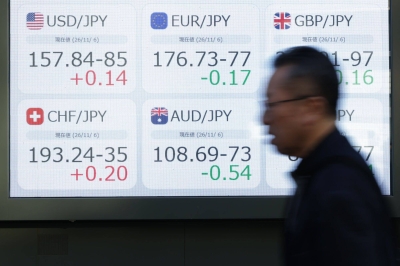
Over the past year, the Japanese yen has experienced extreme volatility, settling within a narrow band around ¥158 per dollar. However, this week, it surged past the critical ¥160 level before pulling back, as traders speculated that Japan's central bank might step in to support the currency. These abrupt movements highlight the growing challenge of trading the yen.
Conventional indicators, like interest-rate differentials, have lost their predictive value, while aggressive actions by the Bank of Japan, steady capital outflows, and unprecedented intervention have propelled the yen in conflicting directions. The consequences of the yen's fluctuations extend beyond Japan's borders. As one of the world's most actively traded currencies, the yen is involved in an estimated $1.6 trillion of daily transactions.
Its performance can either make or break the returns of global investors, and its long-term outlook carries implications for Japan's inflation and the outflow of its massive savings into foreign markets.
Written by urgent.news from Japan Times's reporting — not their text. Machine-written — may contain errors; check the original before relying on it.