Shenzhen is not Yalta, and the comparison says more about us than about them
The proposed Xi-Trump-Putin summit raises questions about great-power politics, sovereignty and whether smaller states will once again be excluded from decisions shaping their futures.
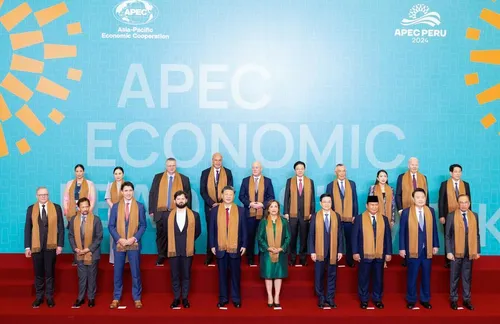
The comparison of the recent high-level meeting in Shenzhen to the Yalta Conference of 1945 draws more attention to the analysts' assumptions than to the actual event. Yalta brought together three wartime allies to shape the post-war world, while the current gathering features China, the United States, and Russia discussing the Ukraine crisis.
However, the three leaders have distinct agendas, with Moscow prioritizing Ukraine's inclusion, Washington pushing for nuclear weapons, and Beijing largely silent on the matter. The Yalta analogy may be rooted in the belief that the 20th century's narrative was penned in European rooms, but in reality, conflicts and insurgencies affected many parts of the world, including Asia, Africa, and Latin America.
Much of the Global South experienced being "decided about" rather than "decided with," a painful reality that carries into the present. While the Ukrainian and European anxieties are legitimate, the real issue is about whose interests are represented and whether the negotiating process is truly inclusive. Beijing has urged European participation in the Ukraine talks, but China's own stance on spheres of influence undermines its multilateral credentials.
Washington's actions in Latin America and the Middle East further complicate the claim of a rules-based order. The Shenzhen summit is unlikely to yield significant results, with discussions limited to crisis hotlines, counter-terrorism, public health, climate, and nuclear arms control. The fundamental issue remains the question of who gets to be at the table and who is merely discussed.
China might benefit from using the meeting to advocate for European involvement and the importance of multilateral institutions, potentially opening new channels for dialogue between China and Europe.
Written by urgent.news from IOL's reporting — not their text. Machine-written — may contain errors; check the original before relying on it.