Proposition NN and Amendment 87 reverse years of K-12 funding failure at the ballot box
Did you know search engines like Google are changing the way you see news? Keep Chalkbeat’s valuable education coverage at the top of your feeds by clicking here and checking the box next to our name. For years, Colorado education advocates have tried and failed to persuade voters to approve more tax revenue for schools. Proposition 103 failed in 2011, followed by Amendment 66 in 2013. Amendment…
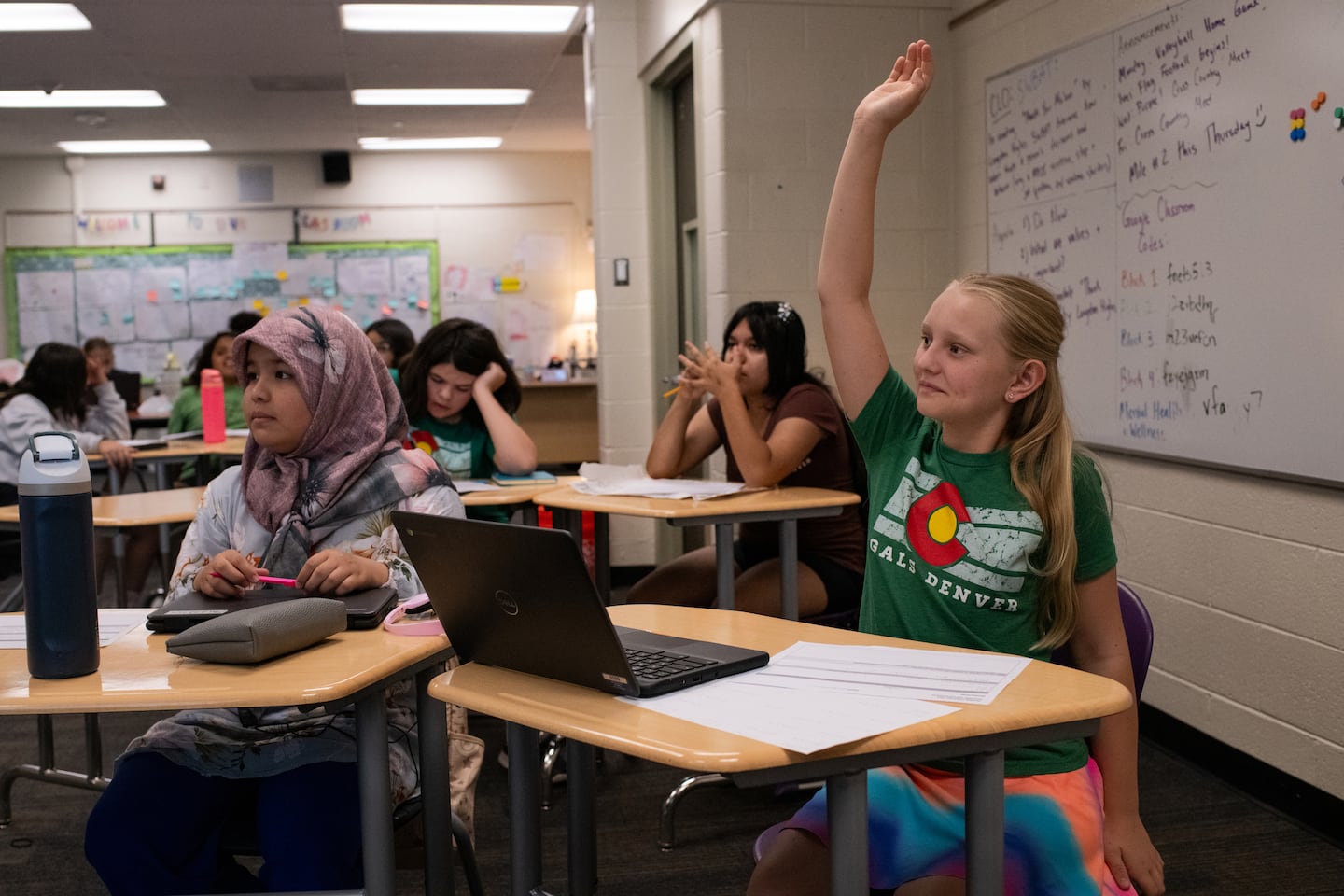
For the first time in 15 years, Colorado voters approved two significant measures at the ballot box that will provide a substantial boost to K-12 education funding. Proposition NN and Amendment 87, both of which passed with strong Democratic support, represent a major shift in the state's approach to school financing. The Democratic wave brought out voters who were concerned about wealth inequality, according to education advocates, lawmakers, and independent analysts.
Proposition NN requires the state to increase the revenue cap that triggers refunds under the Taxpayer's Bill of Rights (TABOR) from $4.6 billion to $5.6 billion, with at least half of the additional $500 million spent on K-12 education for the next decade. Amendment 87, which received 51.7% of the vote, could generate up to $2 billion in 2028 through a new six-tier graduated income tax code, with the additional revenue earmarked for education, healthcare, and early childhood programs.
While opposition to both measures was limited, the coalition in favor of Proposition NN leaned heavily on the message that the new funding would pay for crucial services like healthcare, education, and early childhood, which voters rely on. Teachers also played a significant role in promoting the measure by knocking on doors and sharing stories about low teacher pay and educators' struggles.
Written by urgent.news from Chalkbeat's reporting — not their text. Machine-written — may contain errors; check the original before relying on it.