Politics is an investment, not vote-buying – Oti Regional Minister
The Oti Regional Minister, John Kwadwo Gyapong, has described electoral politics as an investment, saying that candidates spend money to mobilise support and participate in elections.
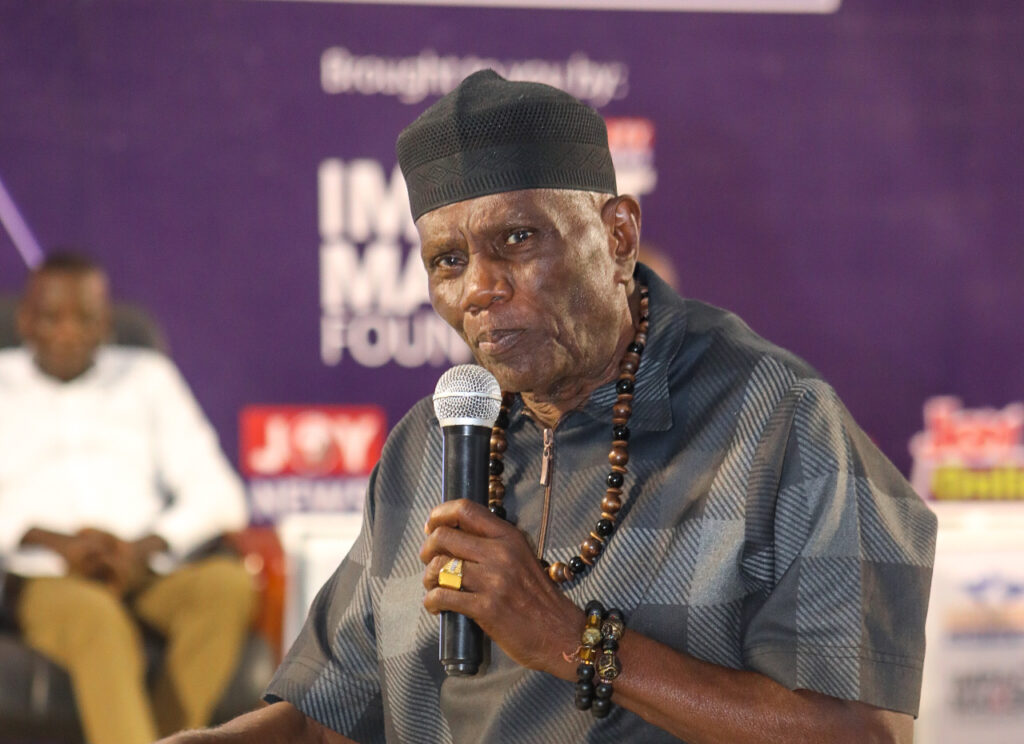
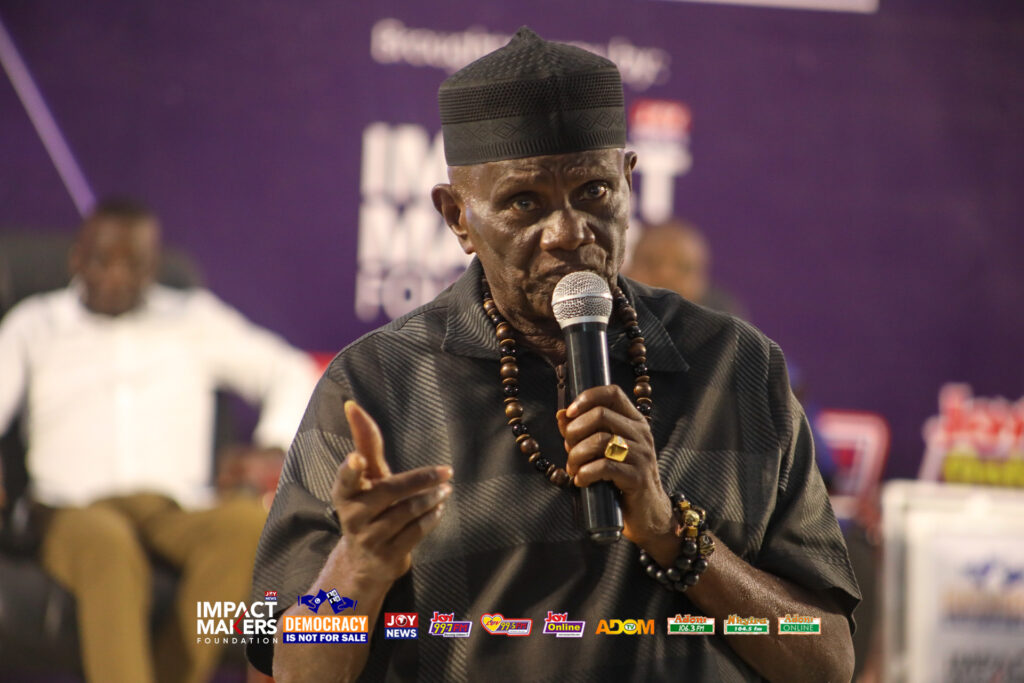
Oti Regional Minister John Kwadwo Gyapong has likened electoral politics to an investment, emphasizing that candidates dedicate resources to mobilize support during election periods. Speaking at JoyNews’ Democracy Is Not for Sale dialogue, he questioned why political spending was often criticized while financial transactions in other aspects of life were accepted.
"Who goes to school without paying for it? Who is a storekeeper who goes to buy things without paying? So why is it that when it is time for us to cast our votes during elections, it should be free?" he asked. Gyapong argued that candidates invest resources in their political ambitions, expecting to gain something from the process.
"As I stand here, I am a minister. If I don’t do politics, will I become a minister? Do they just pick ministers? As the chief executive is sitting here, did he just get up to become a chief executive? If he doesn’t pay, will he become a chief executive?" he questioned. He recalled that when political activities began in 1992, party organizers sought individuals with financial means to contest elections and engage voters.
Candidates are expected to support their campaigns, such as providing basic necessities like water and food for those they engage, as well as arranging transportation and accommodation for voters from distant locations. Gyapong highlighted these costs as part of the resources candidates commit to secure electoral support. He clarified that the financial commitments involved in elections should be viewed as political investments rather than vote buying.
"Politics is a game. Everybody who is coming there to vote, they hire a car from Krachi West to cross the river to head to Jasikan to vote for someone who will later get a position and eventually get money to take care of his wife and children," he said. "If that person is going to vote, you, who want them to vote for you, would make sure you pay for the car they board.
You will make sure to check where they will sleep and the food they will eat. So, is that one called sales? It is not sales." He maintained that the financial commitments in elections should be understood as political investments, not the sale or purchase of votes. "I call it democracy as an investment project because everyone wants to get something out of it.
And so, if you want something out of it, then it means you have to invest. And if you have to invest, you don’t call it selling or buying votes; no, it is an investment," he added.
Written by urgent.news from MyJoyOnline Ghana's reporting — not their text. Machine-written — may contain errors; check the original before relying on it.