Packaging Innovation for Good
A look at packaging innovation for the future.
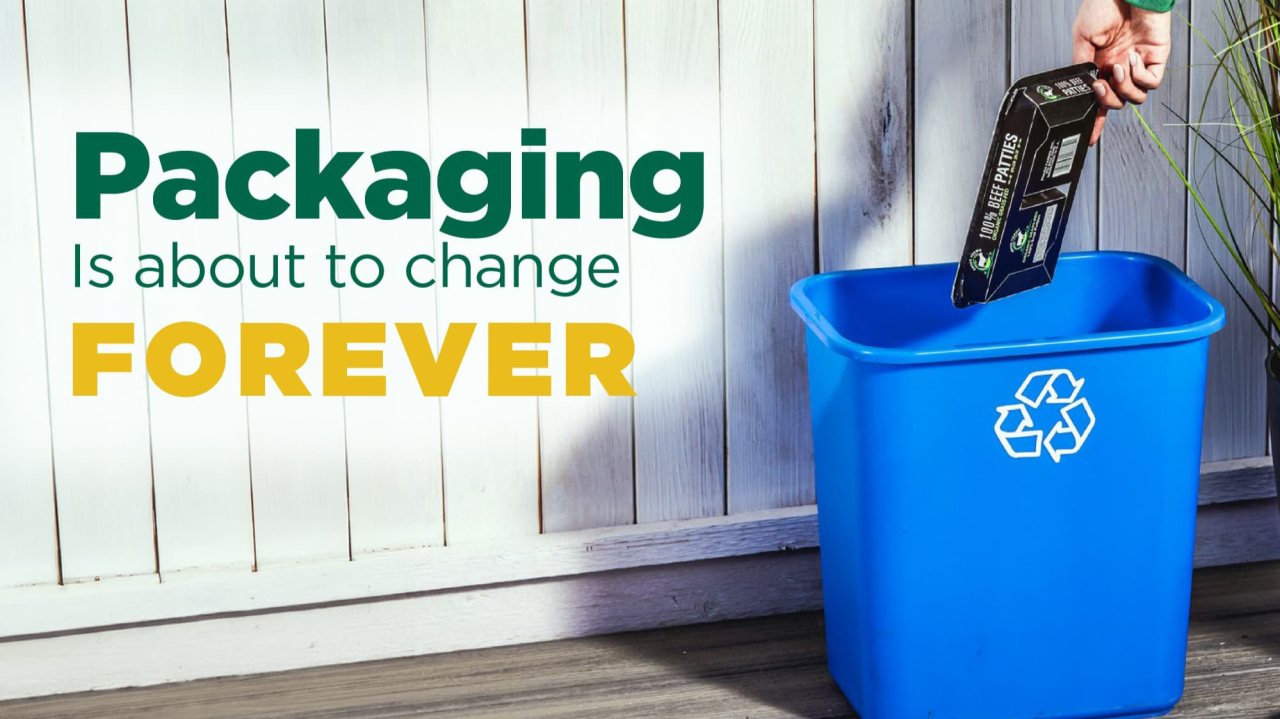
In 2026, the European Union implemented a new regulation requiring all consumer packaging sold within the EU to be recyclable by 2030. This mandate, part of the Packaging and Packaging Waste Regulation (PPWR), aims to reduce environmental waste and promote sustainable practices. The regulation imposes restrictions on synthetic chemicals known as PFAS in food packaging and sets a Design for Recycling (DfR) framework as the new standard by 2030.
This change impacts companies worldwide, as they must adapt their packaging designs to meet these stricter requirements.
Under the DfR framework, materials are classified into grades based on their recyclability rates. Grade A materials are highly recyclable, with rates of 95% or higher, meeting the most stringent circular life cycle standards. Grade B materials are recyclable at rates of 80% or more, while Grade C materials have rates of 70% or greater. Any material with a recyclability rate below 70% is considered unrecyclable and will be banned from all EU markets.
Paperboard emerges as a particularly suitable material for this new regulatory environment. It boasts a high recyclability rate and excellent compatibility with circular economy targets. Paperboard can be recycled 5-10 times into new packaging materials, making it an excellent choice for long-term reuse. In Europe, waste systems recover 87% of paper and paperboard packaging for recycling, a significantly higher rate compared to plastic, which only recovers about 42%.
The PPWR's impact extends beyond Europe. As brands standardize their packaging designs for a global market, it is likely the regulation will influence packaging design across many nations. The EU anticipates setting a binding target to reduce packaging waste by 15% by 2040. Companies that adapt to these DfR mandates early on, by incorporating paperboard and designing for a circular material lifecycle, will be better positioned in a competitive market where environmental sustainability is increasingly prioritized.
Written by urgent.news from HackerNoon's reporting — not their text. Machine-written — may contain errors; check the original before relying on it.