OpenAI is betting a data center rebrand will make you hate them less
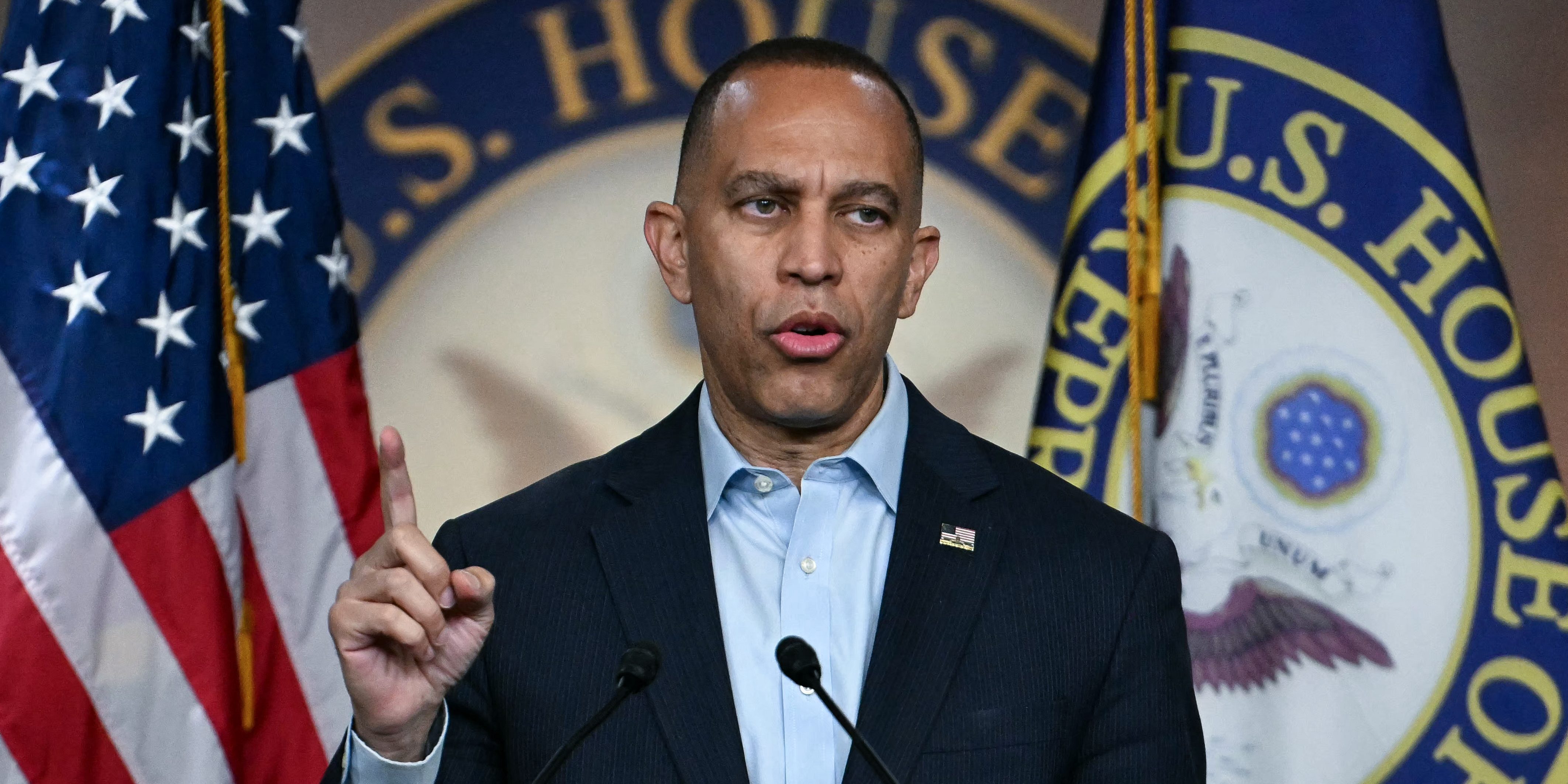
Republicans weren’t the only big losers in last week’s midterms: Across the country, voters also backed restrictions on data centers and elected candidates promising tougher oversight of AI companies. Out of 41 local ballot initiatives limiting the data center buildout, 40 of them passed, according to the New York Times. The AI industry knows it […]
Last week's midterms brought a series of setbacks for the AI industry, as voters across the country backed restrictions on data centers and elected candidates promising tougher oversight of AI companies. OpenAI, the leading AI company, is navigating the aftermath of this political storm. Chris Lehane, OpenAI's chief global affairs officer, shared insights into the company's response to the election results and its plans for the future, speaking with Sean Rameswaram in a recent podcast episode.
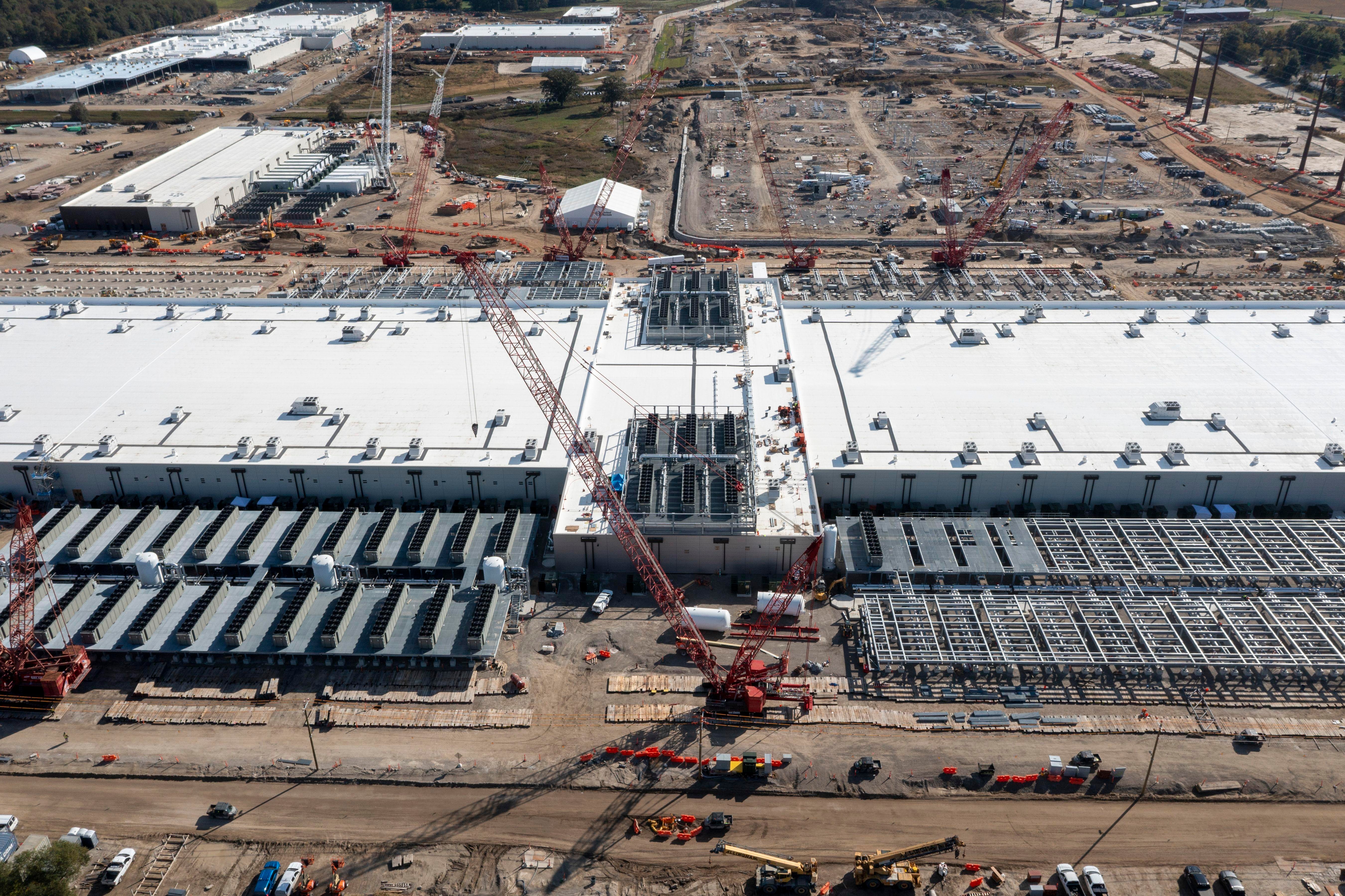
Lehane admitted that OpenAI was "taking my shirt off and showing you my metaphorical bruises" from the midterm election. The company has been conducting a listening and learning tour across communities surrounding its massive data center project in rural Texas. During this tour, Lehane discussed the lessons learned from the midterm election and how OpenAI intends to address the growing public concerns about data centers and AI.
One of the key changes OpenAI is implementing is rebranding its data centers as "compute campuses." Lehane explained that this rebranding is an attempt to provoke a conversation and better convey the nature of the facilities. He emphasized that these "compute campuses" are fundamentally different from traditional data centers, as they generate the raw computing power required for AI systems and generate many jobs.
These jobs are not only well-paying but also contribute to economic transformation when communities approach the development of these facilities strategically.
Lehane acknowledged the public's skepticism towards data centers and AI, noting that roughly 70% of the country opposes them. He attributed this distrust to past practices that transferred electricity costs to the public, impacted water resources, and failed to invest in communities. To address these concerns, OpenAI has taken steps to ensure that its data centers are self-sufficient in terms of electricity and water usage, employing closed water loops to minimize water consumption.
The AI industry's challenges extend beyond the midterms. As a new Congress takes office, there is a growing push for more regulation of AI and technology companies. Sam Altman, OpenAI's co-founder and CEO, had previously called for increased congressional involvement in the matter. Lehane confirmed that this call still stands, emphasizing the need for greater regulation and responsible development of AI technologies.
Written by urgent.news from Vox's reporting — not their text. Machine-written — may contain errors; check the original before relying on it.