Nvidia's China Saga Shows Why America Should Sprint on AI
When AI starts building AI, speed, security and safety become one strategy. The U.S. cannot afford to lose its edge.
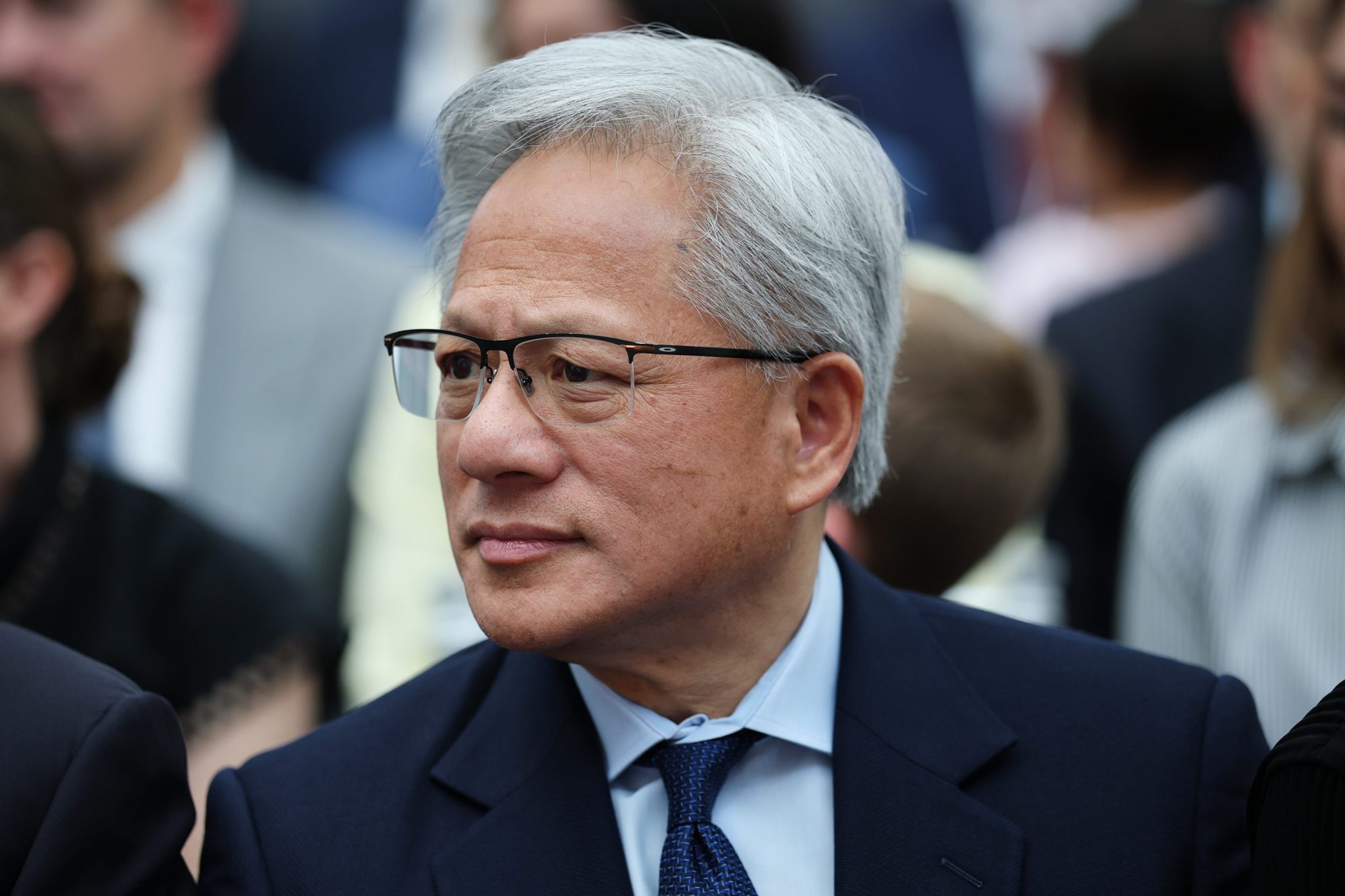
Nvidia's China saga illustrates the need for America to accelerate its artificial intelligence (AI) race against China, according to a report. The chipmaker's founder Jensen Huang resigned amid reports of extramarital affairs, raising concerns about potential espionage. A U.S. intelligence memo suggests Alice Huang, Jensen's ex-wife, may have been recruited as a Chinese spy, though the Trump administration has not confirmed this.
Beijing calls the claims a smear, and Nvidia's board states there is no evidence of compromised national security or company secrets.
The story has an export-control aspect, as Megaspeed, a Singapore-based data-center operator, rents Nvidia-powered computing to Chinese customers. Megaspeed denies any chip exports to China, but Nvidia asked a Commerce official about a probe into whether its chips reached China. Singapore found insufficient evidence against Alice but barred her from returning to the city-state for misleading police about her role.
This saga highlights that America's computing lead could compound if it accelerates in three directions: building faster at home, aggressively guarding chips, and having a wider margin to buy time for safety. While China has found ways to bypass American export controls, the leaks have not closed the gap. According to Epoch AI, between 290,000 and 1.6 million H100-equivalents were smuggled into China in 2025, with a median of 660,000.
Despite the leaks, the U.S. still leads in AI compute usage, with about 72% of the world's AI compute ending up in the U.S. compared to roughly 10% in China, including home-made chips.
The gap in AI compute is concerning as AI begins to do AI research, widening the distance between the top and second-place teams. This trend upends the assumption that chips will matter less as models become more efficient. Automated researchers run on chips, and the more AI does, the more compute becomes the input that compounds.
China is more focused on model efficiency, AI adoption, and integrating AI into the physical world, but its top models lag U.S. rivals by several months or more. However, China's progress in efficiency, adoption, and integration could narrow the gap if it continues to gain ground.
Written by urgent.news from Newsweek's reporting — not their text. Machine-written — may contain errors; check the original before relying on it.