New rail deal aims to speed up Amsterdam-Berlin trains
Germany and the Netherlands sign a rail deal targeting faster, more frequent trains to Berlin, Hamburg and Frankfurt — but no timetable is confirmed.
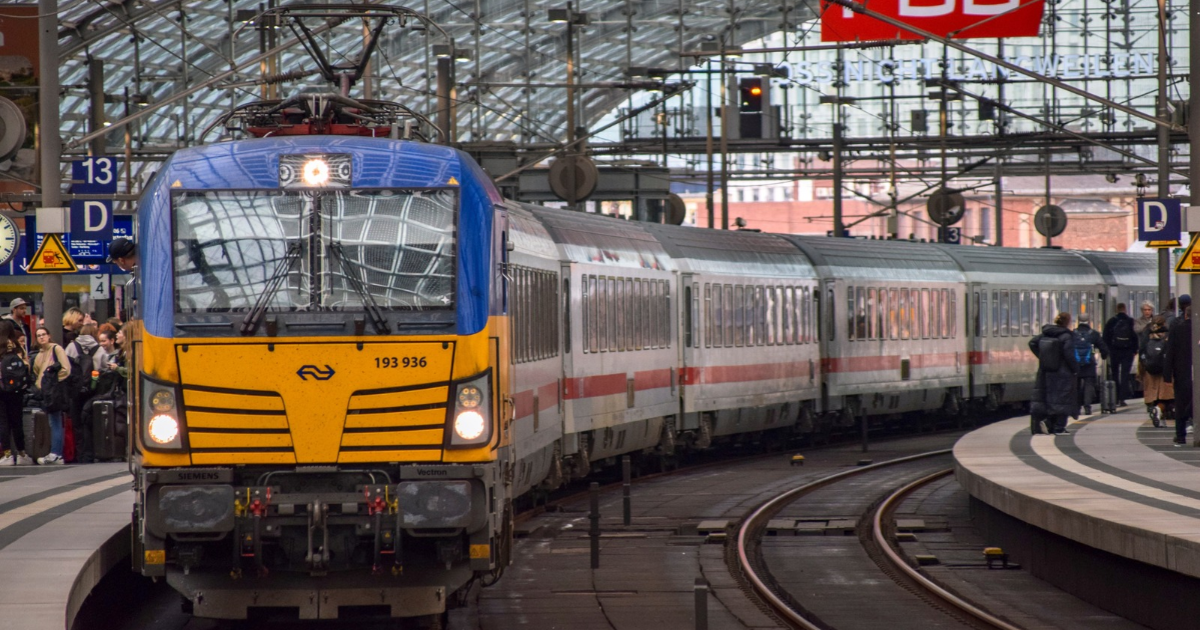
A German-Dutch rail pact aims to enhance speed and frequency of trains linking Amsterdam to major German cities like Berlin, Hamburg, and Frankfurt. Nevertheless, the agreement lacks concrete details about additional services or revised timetables, suggesting potential delays for passengers. German Transport Minister Steffen Bilger and Dutch State Secretary for Infrastructure and Water Management Annet Bertram signed the declaration in Berlin on November 10, emphasizing their joint railway objectives.
Their primary focus is on routes connecting Amsterdam to Berlin, Hamburg, and Frankfurt, which could also benefit onward journeys to cities including Copenhagen, Warsaw, Prague, Basel, and Vienna. To spur competition, the countries intend to facilitate the entry of new train operators into the international rail sector, encompassing both passenger and freight services, as well as railway infrastructure enhancements.
However, passengers should brace for a wait, as the agreement does not outline when train improvements will commence or the extent of journey time reductions. Railway managers ProRail and DB InfraGO will initially collaborate to pinpoint challenges and devise plans. Bertram admitted that boosting train frequencies would be a complex task, with passengers potentially seeing between four trains per day to Berlin or Frankfurt within 10 to 15 years, yet this remains a goal rather than a guaranteed schedule.
Existing construction work has already reduced direct trains between Amsterdam and Berlin to four daily, with services currently routed through Hamburg. These disruptions are projected to persist from October 2026 to December 2027, encompassing a full closure of the Lehrte–Fallersleben section between February and July 2027, according to Dutch public broadcaster NOS.
The two governments will convene annually to assess progress, while specialized railway working groups will further develop the plans.
Written by urgent.news from IamExpat Germany (All Germany News)'s reporting — not their text. Machine-written — may contain errors; check the original before relying on it.