NDPC reviews national monitoring and evaluation manual to strengthen development planning
The National Development Planning Commission (NDPC) has begun a stakeholder review of the second edition of Ghana’s National Monitoring and Evaluation (M&E) Manual to improve its effectiveness and application across public institutions.
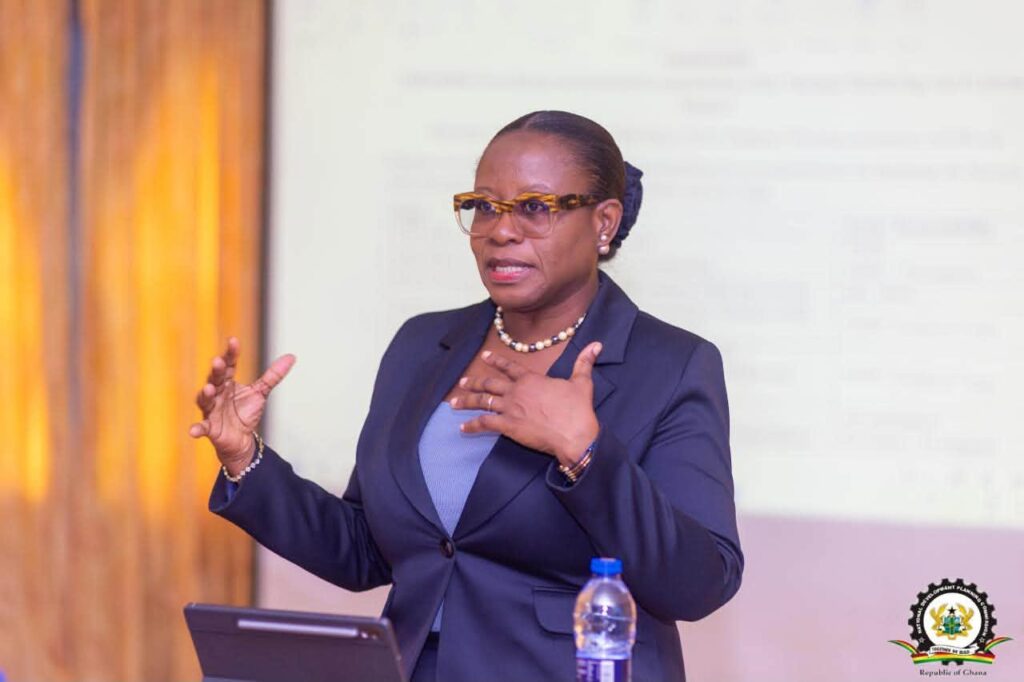
The National Development Planning Commission (NDPC) initiated a stakeholder review of the second edition of Ghana's National Monitoring and Evaluation (M&E) Manual on Thursday, November 12, 2026, to enhance its utility and implementation across public organizations. The gathering encompassed representatives from government bodies, local councils, international partners, academia, research entities, and civil society organizations, who scrutinized the draft document and offered suggestions for revisions.
NDPC Director-General, Dr. Audrey Smock Amoah, acknowledged the necessity of the revision to align with recent changes in Ghana's legal, institutional, and development planning landscape since the initial manual release in 2013. She clarified that the updated manual was not intended to supplant the current national monitoring and evaluation framework but to enhance its functionality in supporting development planning efforts.
Dr. Smock Amoah emphasized that monitoring and evaluation should be integrated into the design phase of policies, plans, programs, and projects, rather than being conducted post-implementation. She stressed that insights derived from this process should inform project execution, budgetary decisions, policymaking, and institutional accountability measures.
Bright Yaw Atiase, the Director of Monitoring and Evaluation at the NDPC, encouraged participants to actively contribute, particularly regarding institutional mandates, reporting protocols, monitoring instruments, and the practicality of applying the guidelines nationwide and locally. Atiase underscored that the manual was intended for widespread use throughout Ghana's development planning framework, not solely for NDPC internal use.
He highlighted knowledge management as a crucial enhancement, explaining that bolstering the generation, dissemination, and utilization of knowledge would improve policy formulation and management decisions.
The stakeholder review is anticipated to yield consolidated recommendations, agreed modifications to the draft, appointed institutional focal persons, and a schedule for completing the second edition of the manual. Participants comprised representatives from various Ministries, Departments, and Agencies, Regional Coordinating Councils, Metropolitan, Municipal, and District Assemblies, development collaborators, universities, research institutions, M&E professional bodies, and civil society organizations.
Written by urgent.news from MyJoyOnline Ghana's reporting — not their text. Machine-written — may contain errors; check the original before relying on it.