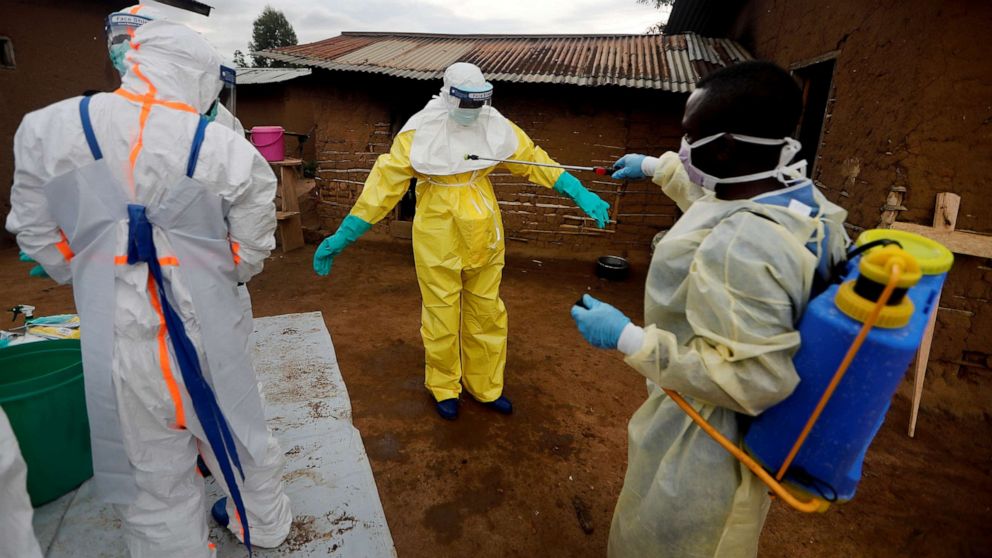
Medicaid Work Rules Don’t Apply to Native Americans. They Could Still Lose Coverage.
Work requirements don’t apply to tribal citizens. But federal health officials provided limited guidance on how states should check eligibility. “I’m extremely nervous,” a North Carolina tribal healthcare administrator said.
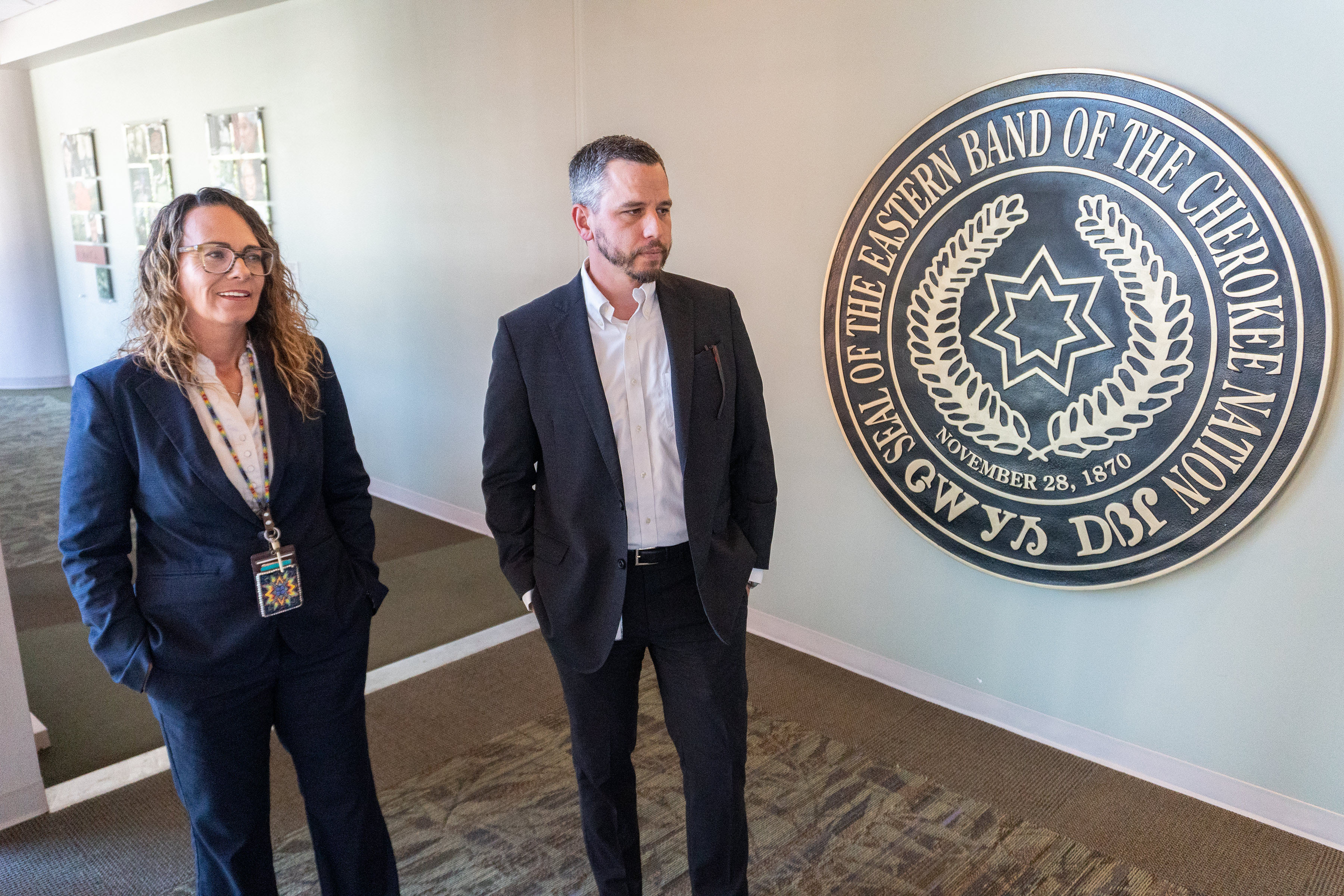
Two months before the deadline for new Medicaid work requirements, federal health officials failed to provide clear guidance on excluding Native Americans, creating a confusing patchwork for eligible enrollees. President Donald Trump's One Big Beautiful Bill Act exempted Native Americans from work requirements, but the Centers for Medicare & Medicaid Services (CMS) guidelines did not offer a standardized system for states to identify those who should be excluded.
Native leaders fear this confusion could lead to another round of Medicaid coverage loss, similar to the 850,000 Native Americans who lost coverage in May 2024, mostly due to paperwork issues. CMS issued its work requirement guidance in June, advising states to use existing data before potentially asking Native enrollees for additional proof. However, the rule did not set a standard process for proving Native American status, allowing states to raise the proof threshold beyond federal requirements.
The guidance also failed to mandate data sharing between states and tribes, coordination with Native health providers, or advice on managed care plans. In July, a tribal advisory group to CMS recommended that states allow Native Americans to self-attest to their eligibility and require states to share Medicaid eligibility data with tribal programs. The National Council of Urban Indian Health and the National Indian Health Board supported these recommendations.
While several states plan to let tribal citizens identify their tribal status on Medicaid applications, others will use different methods to verify citizenship. Concerns remain about Native Americans who live outside tribal statistical areas, as most states do not track tribal affiliation or do not collect ethnicity data on applications.
Written by urgent.news from KFF Health News's reporting — not their text. Machine-written — may contain errors; check the original before relying on it.