Malaysia and Singapore step up Nvidia AI chip probes amidst Jensen Huang controversy
Malaysia is investigating possible re-exports of Nvidia AI hardware amid concerns about circumvention of U.S. restrictions on China as Singapore charges an executive over suspicious purchases of 917 AI servers.
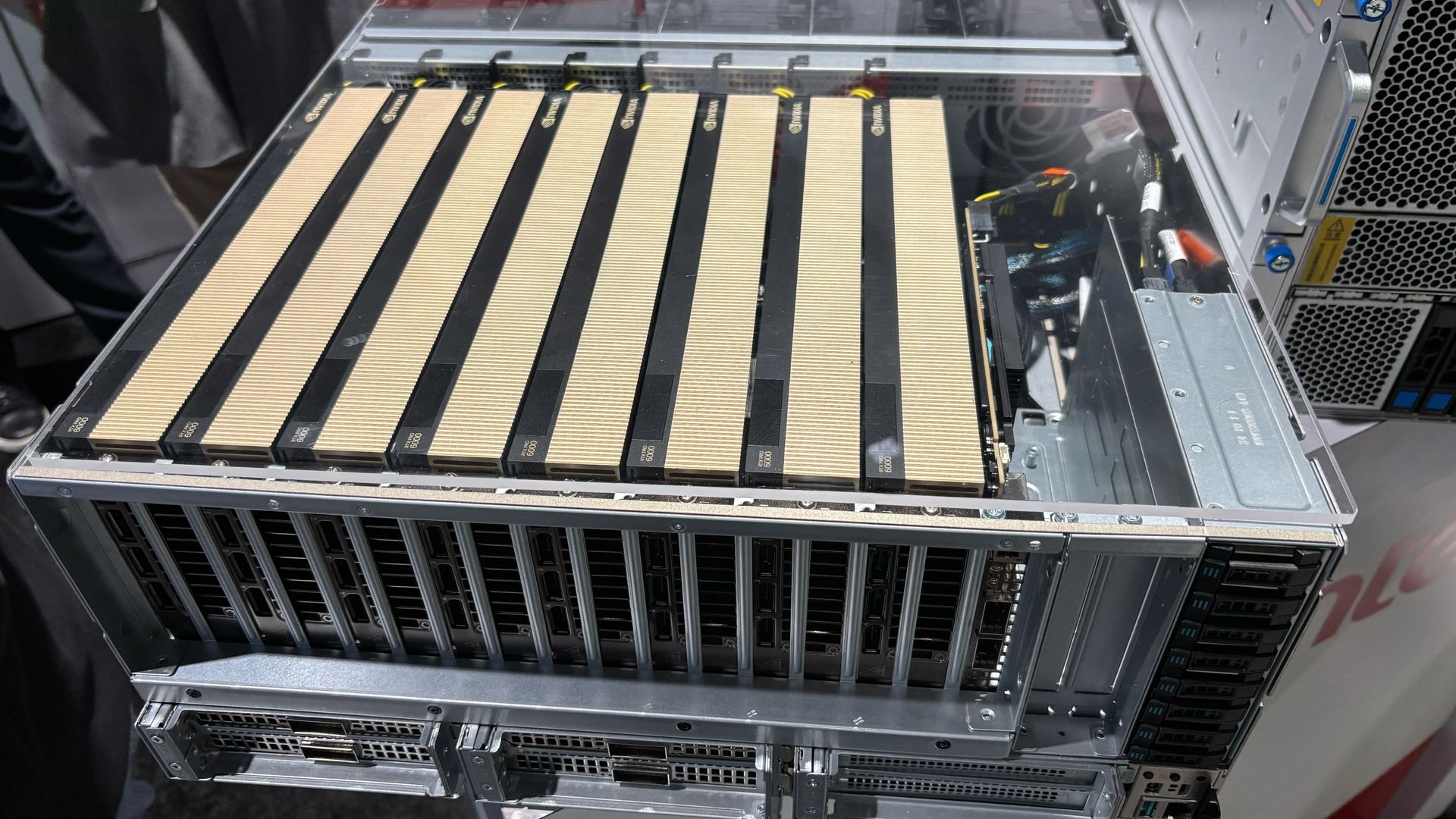
Malaysia and Singapore are intensifying their investigation into AI hardware shipments due to concerns over circumventing U.S. export restrictions on China. Malaysia is probing whether AI hardware imported by a Megaspeed subsidiary, Speedmatrix, was re-exported, while Singapore has charged an executive over 917 servers potentially containing Nvidia accelerators.
These developments come after Nvidia CEO Jensen Huang's resignation amid allegations of extra-marital affairs, including with a possible Chinese intelligence asset who might have helped in GPU smuggling to China. Analysts suspect systematic chip smuggling could be behind Huang's departure. While the U.S. continues to alter chip sanctions, China is strengthening its semiconductor supply market.
In Malaysia, authorities have yet to determine if Megaspeed shipped AI processors and servers abroad and whether they complied with local laws. The country introduced export restrictions on advanced U.S.-developed AI accelerators in July 2025. Megaspeed has hired a U.S. law firm to audit its AI GPUs and ensure compliance. In Singapore, 41 charges have been brought against Shi Bingzhe, a Chinese citizen who was the director of Superphi and COO of NJ Global Financial.
He is accused of purchasing 917 servers with restricted Nvidia hardware from Aperia International, allegedly linked to criminal activity. If convicted, Shi could face up to 10 years in prison and a fine of S$500,000 per charge.
Written by urgent.news from Tom's Hardware's reporting — not their text. Machine-written — may contain errors; check the original before relying on it.