Commentary: China has been cross-subsidizing German car jobs for years - now the bill is due
Germany has always been proud of being an engineering nation. Precisely this strength is perhaps the only chance to reduce dependence on China.
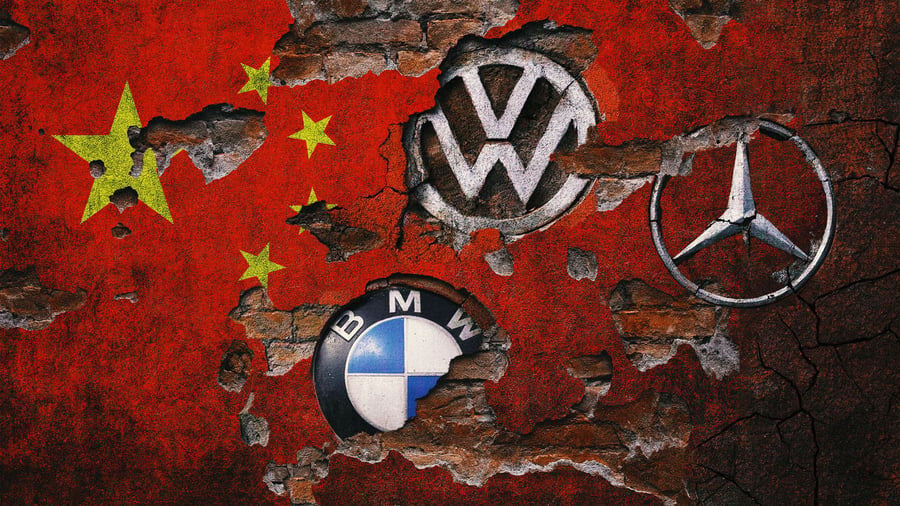
The ongoing complaints about the "China shock" in Germany's automotive industry are substantial, with hundreds of thousands of jobs potentially disappearing in the coming years. However, the grim reality is that many of these positions have been sustained for decades by Chinese subsidies. Over the past decade, billions in profits from Chinese trade have fueled these subsidies, delaying the necessary industry transformation and now reaping its full impact.
Warnings about Germany's excessive reliance on China have long existed, yet executives and shareholders were blinded by the high profits. They lavished themselves with lavish bonuses and dividends, while employees received special payments. Additionally, a sense of overconfidence in Germany's engineering superiority fueled the situation.
Worse still, instead of using the billions to future-proof the industry, some were diverted into the development of emission reduction devices that artificially lowered exhaust emissions in testing. Now, not only are China's profits receding, but Chinese manufacturers are also increasingly competing with German companies globally.
This competition, while potentially distorted by Chinese subsidies, is noteworthy as cheap loans constitute the largest single subsidy according to the OECD, flowing into research and development (R&D) as well. This has resulted in Chinese electric vehicles not only being affordable but also technologically superior.
Written by urgent.news from Handelsblatt's reporting — not their text. Machine-written — may contain errors; check the original before relying on it.