Is the ground stop related to the FAAs new air traffic AI?
Shortly after the FAA ordered a nationwide ground stop, some on social media suggested it could have been caused by the administration's new AI system.
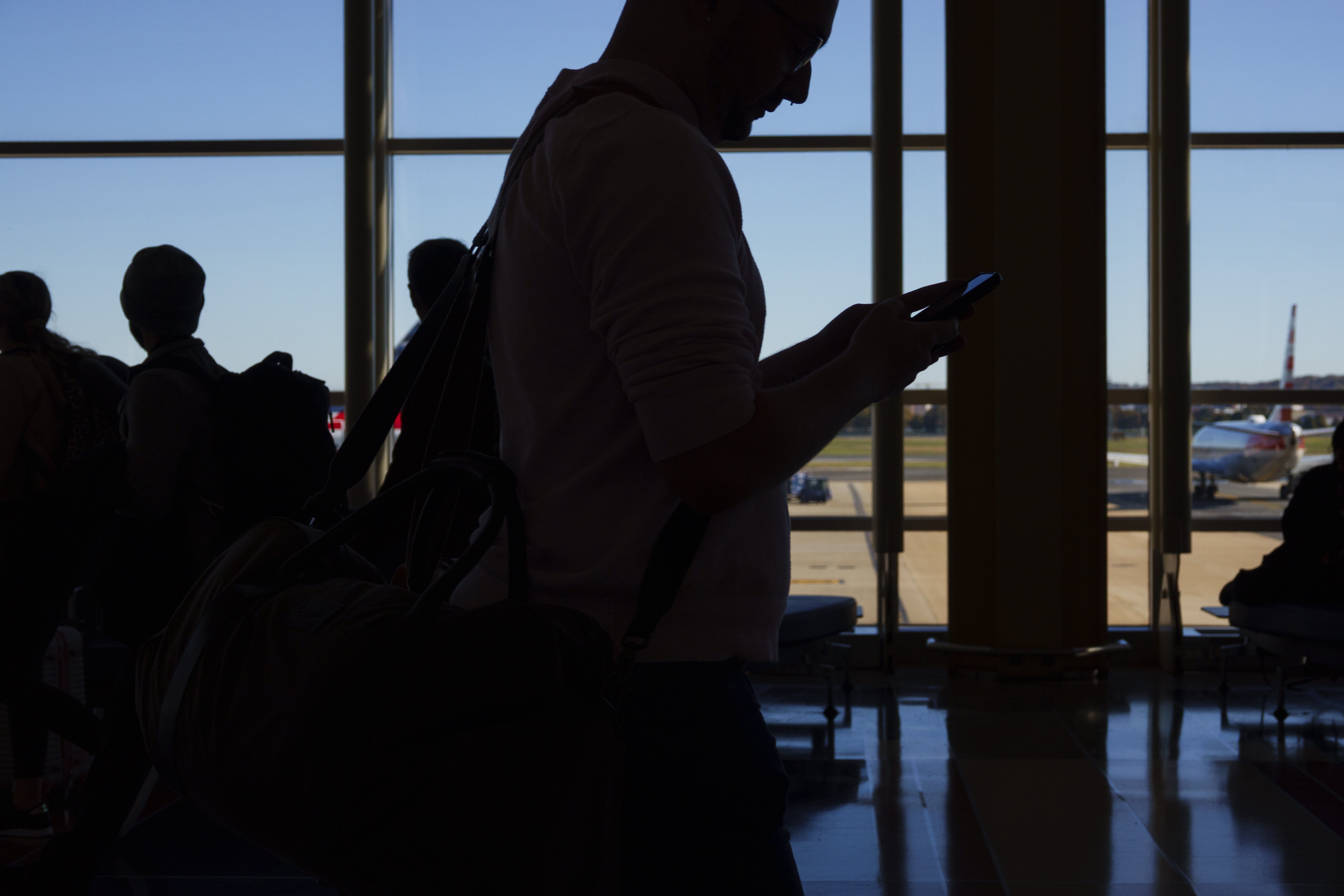
On November 14, the Federal Aviation Administration (FAA) issued a nationwide ground stop for all flights, affecting over 2,000 flights and halting incoming flights to the U.S. This unprecedented action was taken due to a telecommunications outage, according to Homeland Security Secretary Markwayne Mullin. The incident has raised questions about a potential connection to the FAA's new AI system, the Strategic Management of Airspace, Routes and Trajectories (SMART).
The SMART system, a cloud-based platform, was rolled out by the FAA just one day prior to the ground stop, at an estimated cost of $875 million. This system is designed to assist air traffic controllers in evaluating and managing national airspace, analyzing factors such as airline schedules, weather conditions, airport capacity, airspace conditions, and operational constraints to predict traffic flows and identify potential conflicts before they occur.
Upon the sudden ground stop, users online quickly noticed the coincidental timing, leading to speculations. However, as of now, officials have not confirmed any direct connection between the deployment of the SMART tool and the ground stop. The SMART system has been active in Washington, DC airspace since at least September 21, and the FAA had announced a rollout to 22 centers across the country on November 10. According to the administration, the SMART system successfully helped reroute 180 flights.
When asked about the possibility that the SMART system could have impacted the nation's air traffic control systems, Homeland Security Secretary Markwayne Mullin stated, "You can't rule out anything at this point. We are going through that process and we're going to find out what happened. When we do, we'll take the appropriate actions to make sure it doesn't happen again."
Written by urgent.news from Mashable's reporting — not their text. Machine-written — may contain errors; check the original before relying on it.