Intel stages surprise desktop CPU comeback as AMD's market share falls below 30%
According to data from Mercury Research, Intel reclaimed around 5.1 percentage points of desktop CPU market share from AMD in Q3 2026, pushing its total share above 70% and cutting AMD's to below 30% for the first time in years. The report suggests that Intel now holds approximately 70.1% of... Read Entire Article
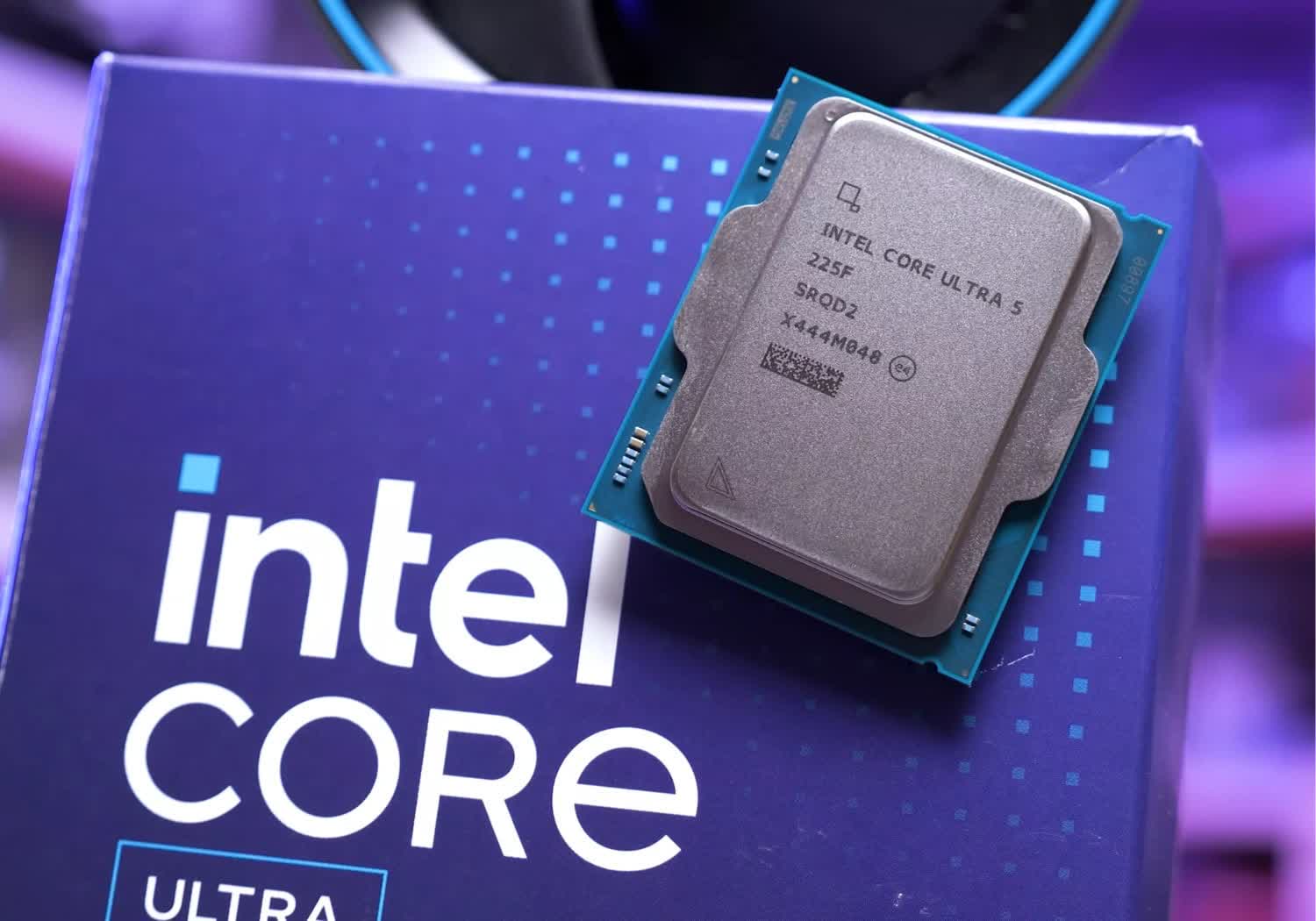
Recent data from market researchers Mercury Research suggests that Intel has gained market share from AMD in a surprising turnaround for the company. According to Mercury Research, desktop CPU market share increased by 5.1% in Q3 2026. This is particularly intriguing because AMD has historically been the leader in performance and popularity for gaming CPUs. The latest Q3, 2026 data shows AMD's desktop CPU market share dropping from 35% in Q2 2026 to 29.9%.
Some experts believe that Intel's gains may be due to the dominance of AMD's gaming chips in the market. However, AMD's own Ryzen 7 9800X3D is still considered one of the best gaming CPUs. While Intel's Core Ultra 5 250K Plus offers a surprisingly low price tag and plenty of cores, it may not be the key to Intel's turnaround among gamers.
This is because Intel's architecture struggles to keep up with AMD's latest gaming innovations, and it is built on a dead-end platform with upcoming Nova Lake chips on a different motherboard socket.
Mercury Research suggests that the increase in market share might be a rounding error or an errant data point, although they have been accurate in the past. Both companies cite their numbers when they look good. After analyzing the situation, Mercury Research proposes two possible reasons for Intel's increase in desktop CPU market share.
First, Intel could allocate more products to the desktop market due to lower mobile CPU demand, which usually experiences a significant increase in the third quarter. Second, AMD has greater exposure to the PC gaming market, which has suffered due to supply constraints of gaming GPUs, RAM, and storage.
Regardless of the cause, Intel still maintains a strong presence among system builders and OEMs, who purchase both new and old (DDR4-compatible) chips for affordable systems. Additionally, both Intel and AMD see a decent share of gaming PC deals during regular searches for gaming PC deals. While Intel's market share gain is surprising, it does not necessarily indicate a healthy sign for the company or the industry.
Mercury Research notes that desktop CPU volumes saw a large drop in Q2, 2026, and both companies experienced more than a 10% drop in mobile chip shipments in Q3, 2026. They are fighting for scraps in the consumer market.
Written by urgent.news from PC Gamer's reporting — not their text. Machine-written — may contain errors; check the original before relying on it.
This story
This is one outlet's version. Read the fullest account.