I wanted an excuse for my slow Strava runs, but Gemini gave me a reality check instead
Gemini held up a mirror to my Strava runs
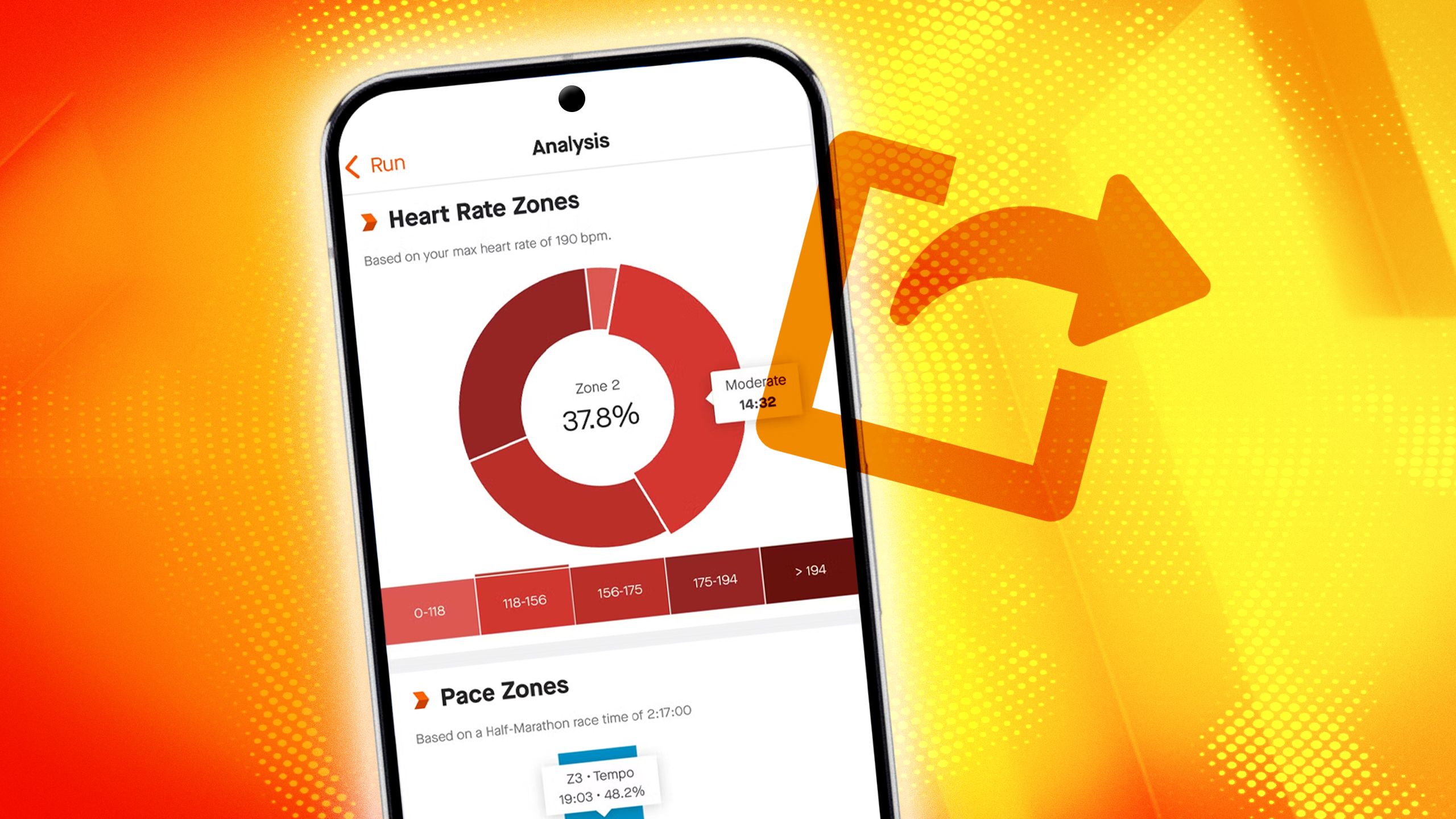
I sought an explanation for my slow Strava runs, and Gemini provided a reality check. I trusted my instincts when a run felt off, but the reason remained elusive. It occurred during routine runs, even those I could likely complete with my eyes closed. My knees felt weak, my legs heavy, and I was far from completing 8 miles. My heart rate remained in the same aerobic zone as always, yet my watch indicated a slower pace.
I questioned factors such as weather, recent leg day, and other potential causes, but always lacked a satisfactory answer. When Strava introduced a feature allowing subscribers to connect their account to Gemini in late October, I paid attention. The connection is only available to paying subscribers, and works on all Strava plans, including the free one.
Location was another factor, as Strava began rolling out the feature in the US on October 28, but had not announced availability in other countries. Setting up the connection took only a minute: open Gemini, navigate to connected apps, select Strava, sign in, and approve the connection. I first asked Gemini to analyze my pace against effort across my full training block, spanning three months.
Gemini pulled together my activity history and mapped volume trends and pace over time, focusing on the weeks leading into my sluggish runs. It revealed that I had reduced my weekly mileage from around 15 miles to roughly 8 miles, mainly due to a decrease in daily runs from four to two. Gemini suggested gradually rebuilding my weekly mileage before attempting to improve my pace, as my aerobic base had declined alongside my consistency.
To address the possibility of heat affecting my performance, I pointed Gemini at the worst run of the month. Gemini analyzed temperature, humidity, wind, and general conditions recorded with the activity, noting that the day's humidity was high. It agreed that the conditions were challenging and estimated a minor pace penalty from the heat.
However, Gemini emphasized that my drop in consistency remained the primary reason for my slow pace. I then attempted a more granular analysis, suspecting my pacing itself might be contributing to the issue. I selected one of my poorly-performing runs and asked Gemini to break down the splits mile by mile. Gemini identified the specific mile where my pace started to decline and compared it to my overeager start.
It concluded that I likely started too fast in the first 5K. This granular analysis proved faster than creating a spreadsheet to analyze the data. In addition to running, I explored whether fatigue from other workouts might be contributing to my heavy legs. Gemini examined the relationship between my sports activities and performance metrics, identifying patterns where heavy leg days preceded runs.
It suggested that the lack of recovery between intense leg workouts and runs could have impacted my sluggishness. Among all the inquiries I posed, this connection proved most valuable in identifying the root cause of my sluggish runs. To effectively utilize Gemini's insights, it was necessary to input specific dates and locations to obtain an accurate historical record.
This required some understanding of what patterns to look for. While not a substitute for a comprehensive training plan, Gemini served as a fast search engine for my fitness history, surfacing trends that might have otherwise gone unnoticed. I reviewed the Strava activity and cross-referenced Gemini's findings with the data presented.
Written by urgent.news from Android Police's reporting — not their text. Machine-written — may contain errors; check the original before relying on it.