I finally figured out what was causing my laptop’s audio to crackle, and the hardware wasn’t to blame
I thought my laptop's speakers were dying until I looked under the hood of Windows 11 and saw how it was choking my CPU.
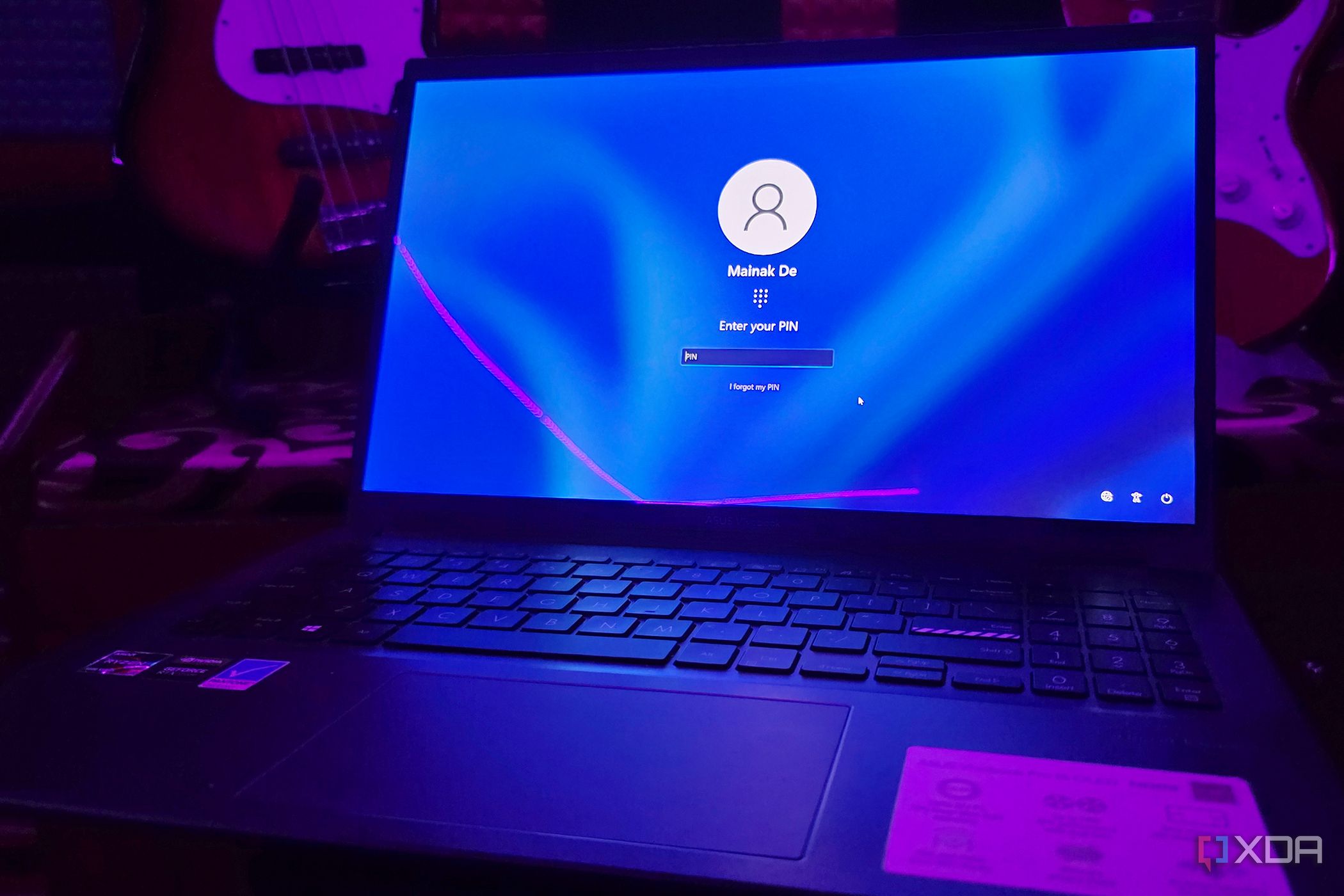
Many individuals have experienced the frustrating issue of audio crackling or popping while using their Windows laptops or desktops for tasks such as recording in OBS, DAWs, or even communicating on Discord. At first glance, it may seem that the problem lies with the hardware, such as a blown speaker or faulty internal cable connection. However, for my Asus Vivobook running Windows 11, the hardware was not the culprit.
Upon further investigation, it became clear that the problem was caused by an excessive number of DPC calls made by background processes, leading to random interruptions in audio output. Although the hardware specifications of my laptop were impressive, with a Ryzen 7 5800H processor, an RTX 3050 graphics card, and 16GB of DDR4 memory, the excessive DPC calls created enough of a distraction for the audio buffer to become delayed, resulting in the unwanted distortion.
To resolve this issue, I took several steps to reduce the background processes and DPC calls. First, I uninstalled Asus Armoury Crate and removed any leftover services. I then used Raphire's Win11Debloat utility to strip out any unnecessary Windows bloat. Next, I turned off a few background processes that were constantly consuming my SSD usage, which not only helped reduce the overall interrupt load on the system but also reduced the constant disk activity.
Finally, I disabled CPU core parking, which allowed all of my Ryzen 7 5800H cores to stay awake even during idle periods. This adjustment helped keep the DPC graph in the green, with occasional yellow values that were still manageable. However, this change had trade-offs, such as a significant decrease in battery backup due to the custom power plan and increased CPU temperatures, leading to more frequent fan operation and a warmer laptop body.
While this solution worked for my laptop, it's essential to note that every system is unique and may require different approaches. If faced with persistent audio dropouts, testing with an external audio interface, removing unnecessary background processes, or performing a clean OS installation might be the best first steps to stabilize real-time audio and address any potential hardware issues.
Written by urgent.news from XDA Developers's reporting — not their text. Machine-written — may contain errors; check the original before relying on it.