How to protect your IP against the army of AI clones
Generative AI usage in video game development has increased significantly in recent months. Steam Next Fest featured over 8,000 demos in October 2026, many of which were created partly or entirely using generative AI tools. Read more
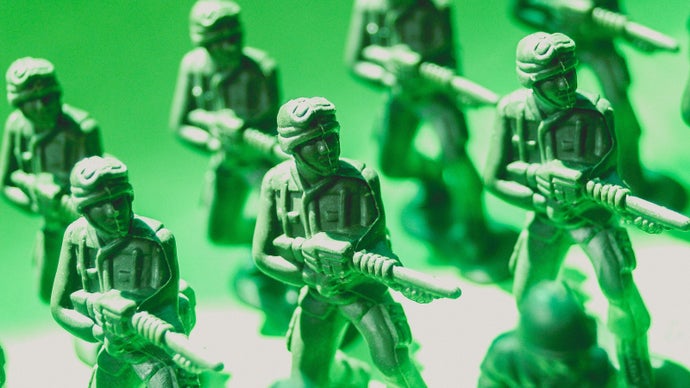
As the use of generative AI in video game development surges, there is an increase in unauthorized game clones, mods, and ports. Developers are now facing the risk of having their games cloned before they can even launch. This new reality may challenge the traditional methods of game preview and promotion. While sharing early prototypes on social media can help build audience interest, it could also expose games to potential cloning.
Developers must implement a risk assessment strategy when sharing their in-progress work. Depending on the game's genre and type, it may be more susceptible to cloning. Requiring non-disclosure agreements (NDAs) when sharing footage, demos, and codes is a recommended legal practice. This includes prohibiting any sharing of confidential information, recording, video capture of gameplay, or inputting game-related media and information into generative AI tools.
Practical measures such as watermarking, password protection, and revocable/limited-time access can also be employed to prevent unauthorized access and usage. It is essential that any feedback received from testers is made on a work-for-hire basis, with corresponding agreements in place for all contributors, including employees, independent contractors, composers, voice actors, and outside studios.
To protect their intellectual property (IP), developers should consider filing applications with the US Copyright Office to register copyrights for their game's script, narrative materials, character designs, key art, concept art, original music, sound recordings, and trailer footage. A timely registration is crucial, as it enables developers to seek significant financial remedies, including statutory damages of up to $150,000 for willful infringement and attorneys' fees in case of infringement.
Trademark registration is another layer of protection that developers should consider. Registering the game's name as a trademark with the US Patent and Trademark Office (USPTO) can strengthen enforcement options. Although the trademark application process with the USPTO takes around 10 months, developers can submit applications early to receive a Notice of Allowance and a Statement of Use. This proactive approach can help developers safeguard their valuable IP in the face of the AI cloning threat.
Written by urgent.news from GamesIndustry's reporting — not their text. Machine-written — may contain errors; check the original before relying on it.