How Food Became a Source of Pleasure
M. F. K. Fisher set the standard for clever and joyful culinary writing. She could also teach modern memoirists a thing or two.
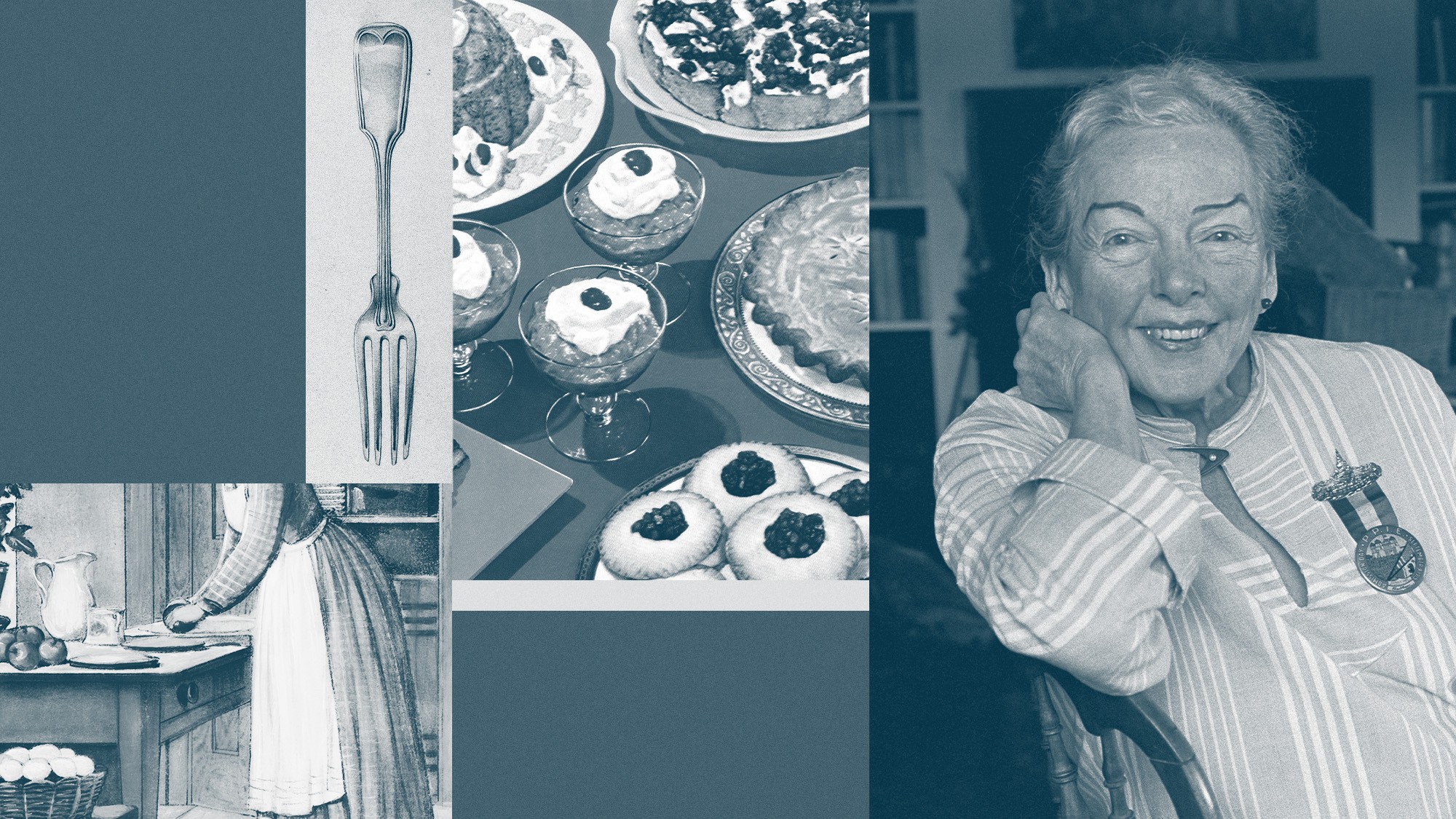
Before M. F. K. Fisher took up her pen, most American food writing bore the stamp of Victorian tiredness. After Fisher, the genre was liberated. Her skillful writing style inspired countless other writers who may not have otherwise examined our relationship with food thoughtfully. Authors like Ruth Reichl, Betty Fussell, and Elizabeth Gilbert owe their craft to Fisher's influence.
Picador has recently reprinted five of Fisher's classic collections. Reading them reveals not only the joy she brought to food writing but also the pain she subtly carried within her work. Many great gastronomists have followed in her footsteps; it's a shame more memoirists haven't done the same. Fisher herself didn't have clear predecessors.
Before her 1937 essay collection Serve It Forth, cookbooks were stodgy manuals that provided practical advice for homemakers, reflecting the field of home economics dominated by matriarchs. One such book, Lizzie Black Kander's The Settlement Cook Book, published in 1901, was a guide for pre-convenience era families, offering instructions on topics like starting a wood fire and building a "window cold box."
Kander's writing was as dry as a plate of yeast dough. Fisher broke away from this rigid and patriarchal approach, writing not just to instruct but also to entertain, and she was a master of concise, thought-provoking statements. She believed that an evening alone with good food and conversation was more valuable than a day marred by illness.
For Fisher, eating was about more than just sustenance; it was an experience as fulfilling as good sex, and it should be approached with the same care and attention. She argued that sharing a meal was a primal act that should be treated with reverence, not casually dismissed like background music. Fisher's writing transcends the traditional food writing mold; she blends personal essay, history, food travelogue, and memoir into a unique form.
Her early life, characterized by freedom from domestic duties, greatly influenced her approach to food writing. Born into a newspaper-owning family, Fisher was raised in a California household that valued simplicity, but she had vivid memories of richer meals outside the home. At 21, she journeyed to France, where she experienced the heights of culinary delight.
In The Gastronomical Me, Fisher chronicled her experiences in Europe during the interwar period, savoring gourmet dishes with her husbands, Alfred Fisher and Dillwyn Parrish. Her travels in the 1920s, before the widespread popularity of European cuisine in America, offer a glimpse into a world where food was a source of excitement and exploration.
Despite the beauty of her writing, Fisher's memoir also contains darker themes, reflecting the complexities of her personal life. After her first marriage ended, the relationship with her second husband became strained, adding a layer of sadness to her culinary adventures. The Gastronomical Me remains a testament to her passion for food and life, both of which were integral to her identity.
Rewritten by urgent.news; may contain errors — check the original.
Source: theatlantic.com