How a world without passports might look
The passport has been with us for centuries. Its earliest recorded ancestor is often traced to about 450BC, when the Persian King Artaxerxes I gave one of his subjects a letter requesting safe passage through lands beyond the Euphrates. Now, almost two and a half millennia later, the humble travel document might just be approaching the end of its useful life. Paul Griffiths, chief executive of…
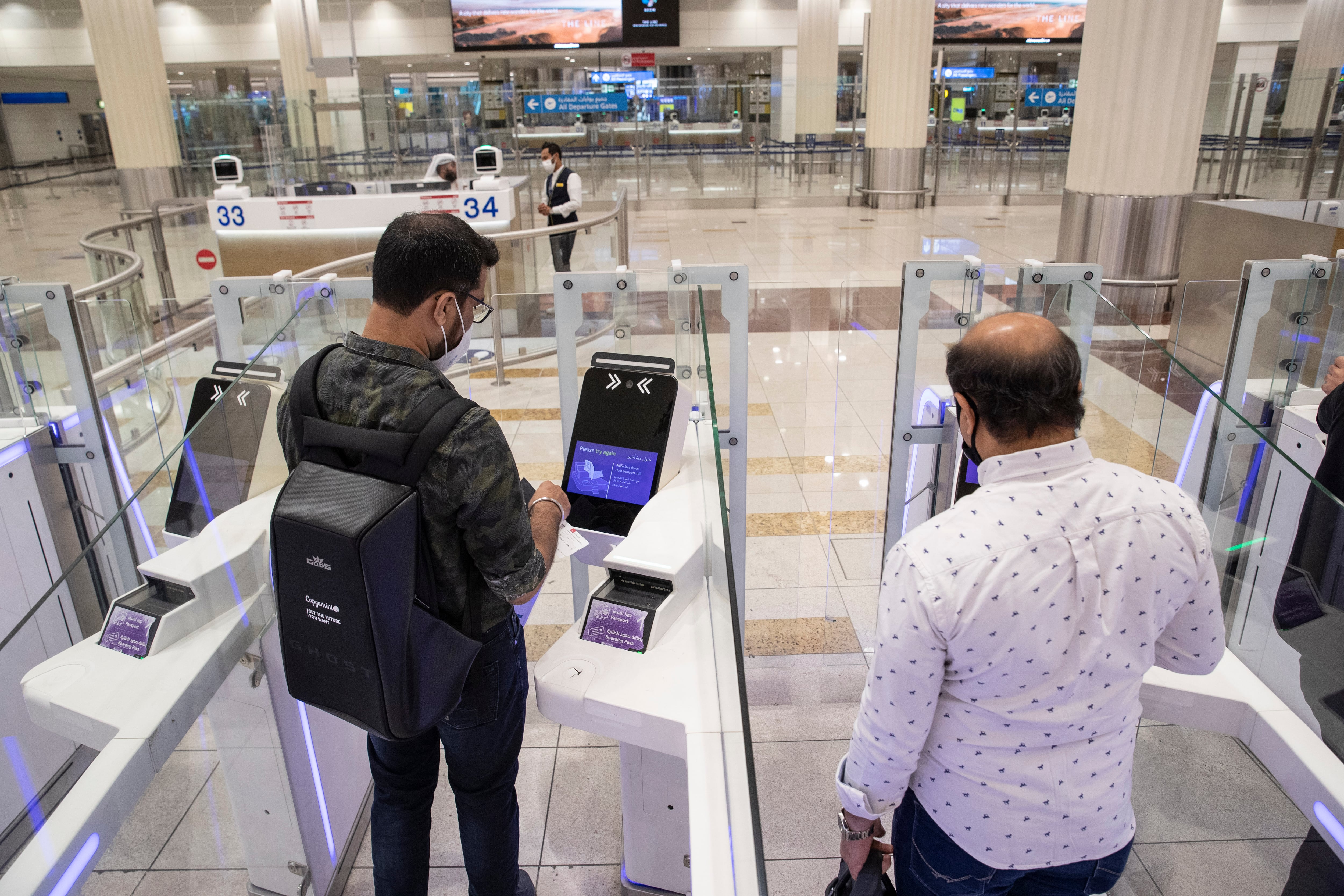
Passports have been around for centuries, with the earliest known ancestor dating back to 450BC. However, in the future, these travel documents may soon become obsolete. Paul Griffiths, the CEO of Dubai Airports, believes that physical passports could become redundant within five years due to advancements in biometric technology. "I know many travellers cherish collecting travel stamps, but from a technological perspective, carrying a physical book to fly is outdated," he said in a recent LinkedIn post.
Dubai is in a prime position to lead this transition, having invested in smarter airport infrastructure and biometric ID systems. Initiatives like Dubai's Click and Travel service, which allows immigration procedures to be completed on mobile devices, demonstrate the rapid pace at which these changes can occur. Emirates airline has also expanded the use of facial recognition, eliminating the need for passengers to repeatedly present documents during their journey.
This shift towards a passport-less future offers numerous advantages. Removing the need to carry and present physical documents would make travel faster, simpler, and more accessible, particularly for children, older passengers, and those with mobility challenges. A single digital identity could streamline various aspects of travel, from hotel check-ins to renting cars, reducing the administrative hassle often associated with travel.
However, Dubai's leadership in this transformation also highlights the greatest challenge: achieving a passport-free future requires collaboration beyond the airport. Governments, airlines, and law enforcement agencies must agree on common standards and establish systems capable of recognizing identities across international borders. Not all nations will adopt this change at the same pace, but the potential benefits extend beyond aviation.
Despite the elimination of physical passports, borders will still exist, with visa requirements and security considerations remaining crucial. The passport-less future could foster greater international cooperation, building trust and common policies at a time when global relations are strained. As physical passports potentially fade into obsolescence, much like the introduction of paper tickets replaced by digital boarding passes, this shift could make the world more seamless and secure.
While some may mourn the loss of colorful stamps from distant lands, the era of faces as passports could indeed create a more connected and secure world – an outcome that even King Artaxerxes would likely appreciate.
Written by urgent.news from The National UAE's reporting — not their text. Machine-written — may contain errors; check the original before relying on it.