Honduras declares ‘environmental emergency’ in Río Plátano Biosphere Reserve
Deforestation, organized crime and the expansion of cattle ranching have led the government in Honduras to announce an “environmental emergency” in the Río Plátano Biosphere Reserve, the largest protected area in the country. The 36-month emergency, issued as a presidential decree on Nov. 10, will devote 1.5 billion Honduran lempiras (more than $55 million) over […]
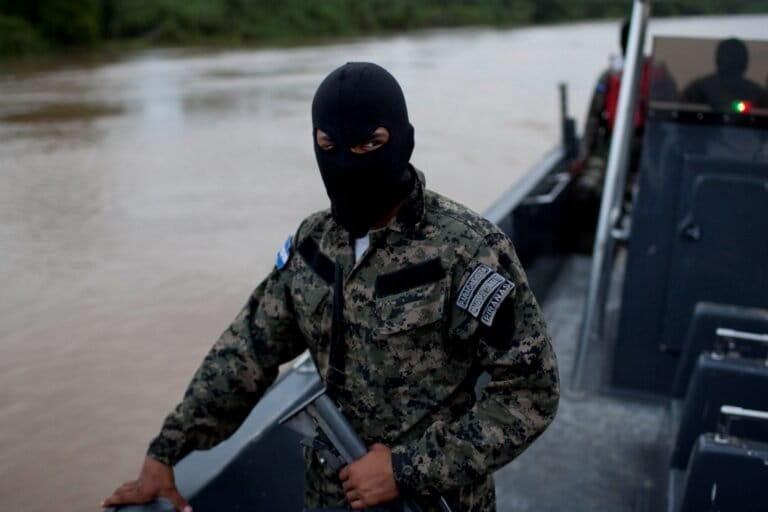
Honduras has declared an "environmental emergency" in the Río Plátano Biosphere Reserve, the country's largest protected area. This decision follows the government's assessment that deforestation, organized crime, and cattle ranching expansion are threatening the reserve's delicate ecosystem. The emergency, which began on November 10, is a 36-month presidential decree that commits 1.5 billion Honduran lempiras (over $55 million) to combat environmental deterioration.
Presidential legal advisor Roberto Zacapa emphasized that this initiative marks a shift from reactive measures to proactive, sustained intervention with defined resources and institutional responsibilities.
The Río Plátano Biosphere Reserve covers more than 832,000 hectares (2 million acres) and spans the departments of Gracias a Dios, Colón, and Olancho. The reserve is home to numerous Indigenous Miskito, Pech, and Garífuna communities. In 1982, a portion of the reserve was recognized as a UNESCO World Heritage Site. The reserve's remote location near the Nicaraguan border has unfortunately made it susceptible to various forms of illegal activities, including deforestation, drug trafficking, cattle ranching, gold mining, wildlife trafficking, and road construction.
Between 2023 and 2025, at least 6,691 hectares (16,533 acres) of forest have been cut down within the reserve, according to the Forest Conservation Institute (ICF), the agency responsible for managing the country's forests. Since 2011, the Río Plátano Biosphere Reserve has been listed on UNESCO's List of World Heritage in Danger, a compilation of sites facing severe threats to their environmental or cultural heritage.
Local organizations such as the Wildlife Conservation have expressed concern over the situation, describing it as "like the wild west," where there is a lack of law enforcement, illegal activities, and violations of Indigenous communities' rights.
Written by urgent.news from Mongabay's reporting — not their text. Machine-written — may contain errors; check the original before relying on it.