GLP-1 drugs taken by 30 million Americans now carry an FDA warning for a rare ‘stroke of the eye’ that can cause vision loss
The data on which the FDA’s warning is based suggests a real but low risk of NAION for people taking GLP-1 medications.
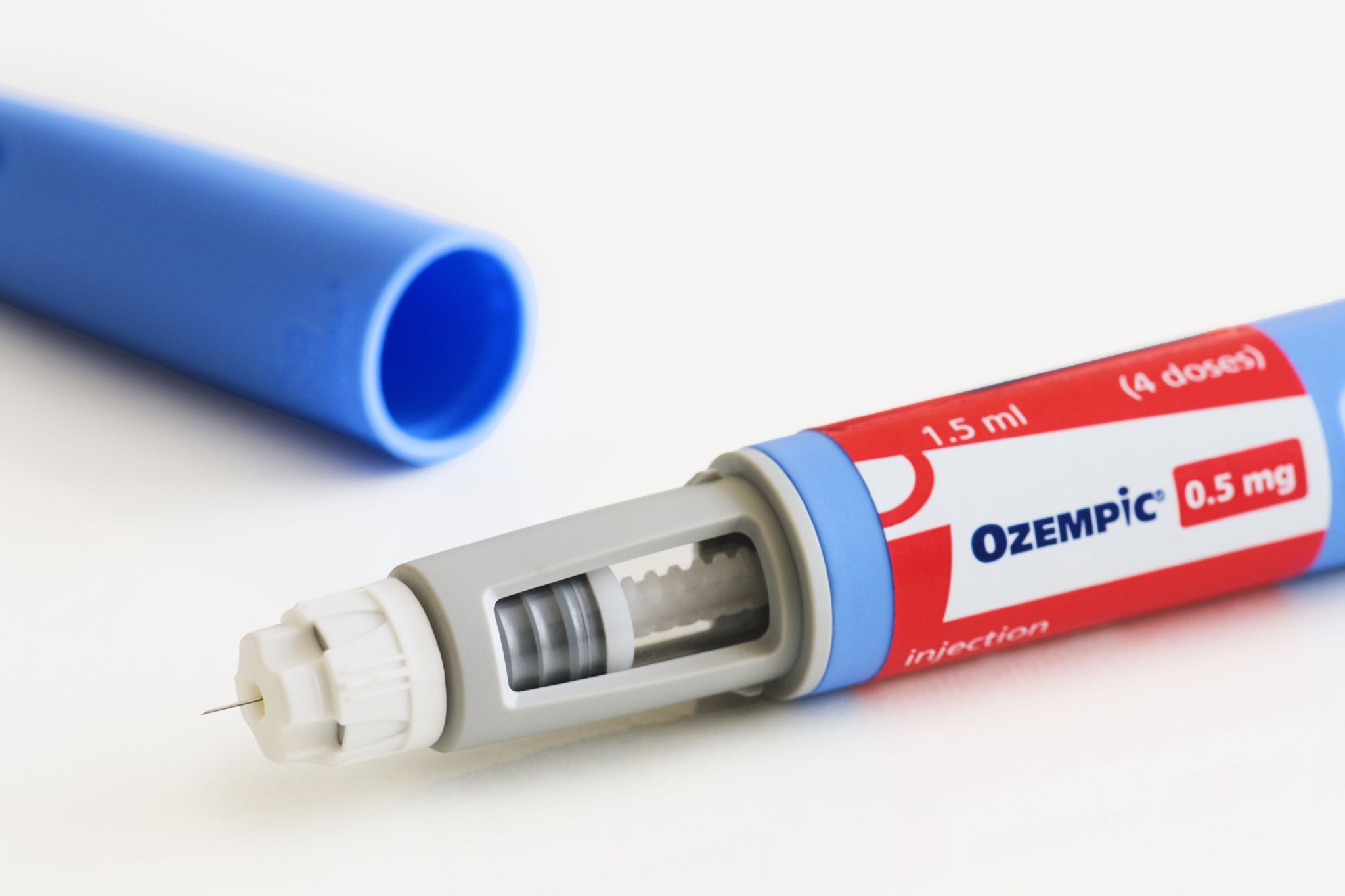
The U.S. Food and Drug Administration (FDA) issued a warning for GLP-1 drugs on November 9th, 2026, revealing a possible link to a rare eye condition called non-arteritic anterior ischemic optic neuropathy (NAION), which can cause vision loss. This eye condition affects the optic nerve, the connection between the eye and the brain, and can result in sudden, painless blurry vision, dark patches, or even blindness. NAION typically affects patients upon waking due to lower blood pressure during nighttime.
The FDA identified the connection by analyzing data from 126 randomized controlled clinical trials involving 134,253 patients, with 78,217 taking GLP-1 drugs and 56,036 serving as a placebo or control group. The incidence of NAION per year was 6.4 per 100,000 for GLP-1 drug patients, compared to 3.8 per 100,000 for the placebo group, resulting in an additional 2.6 cases per 100,000 patients on GLP-1 drugs.
A separate analysis by the FDA's sentinel programs showed that GLP-1 drug users had a slightly higher risk of NAION compared to DPP-4 inhibitors, which prevent the breakdown of natural GLP-1.
Real-world studies also support this connection, with my colleagues and I tracking nearly 600,000 U.S. veterans with type 2 diabetes. Patients on GLP-1 drugs experienced roughly 390 cases of NAION per 100,000 people, compared to 290 per 100,000 on alternative medications, indicating about 100 extra cases per 100,000 patients. Despite some variations in patient demographics, the increased risk appears consistent across GLP-1 drugs.
The FDA's warning, as well as European regulators, suggests that the risk is real but low, and clinicians should inform patients about NAION symptoms and encourage immediate care if vision issues arise.
Written by urgent.news from Fortune's reporting — not their text. Machine-written — may contain errors; check the original before relying on it.