Gemini Astronaut Photos Inspired Early Earth Observation Program
Astronauts James A. Lovell Jr. and Edwin E. “Buzz” Aldrin Jr. orbited Earth from November 11 to 15, 1966, on Gemini XII, the final mission of NASA’s Gemini program. In addition to successfully completing rendezvous maneuvers and spacewalks, procedures vital to sending American astronauts to the Moon, the crew was also spurring the development of […] The post Gemini Astronaut Photos Inspired Early…
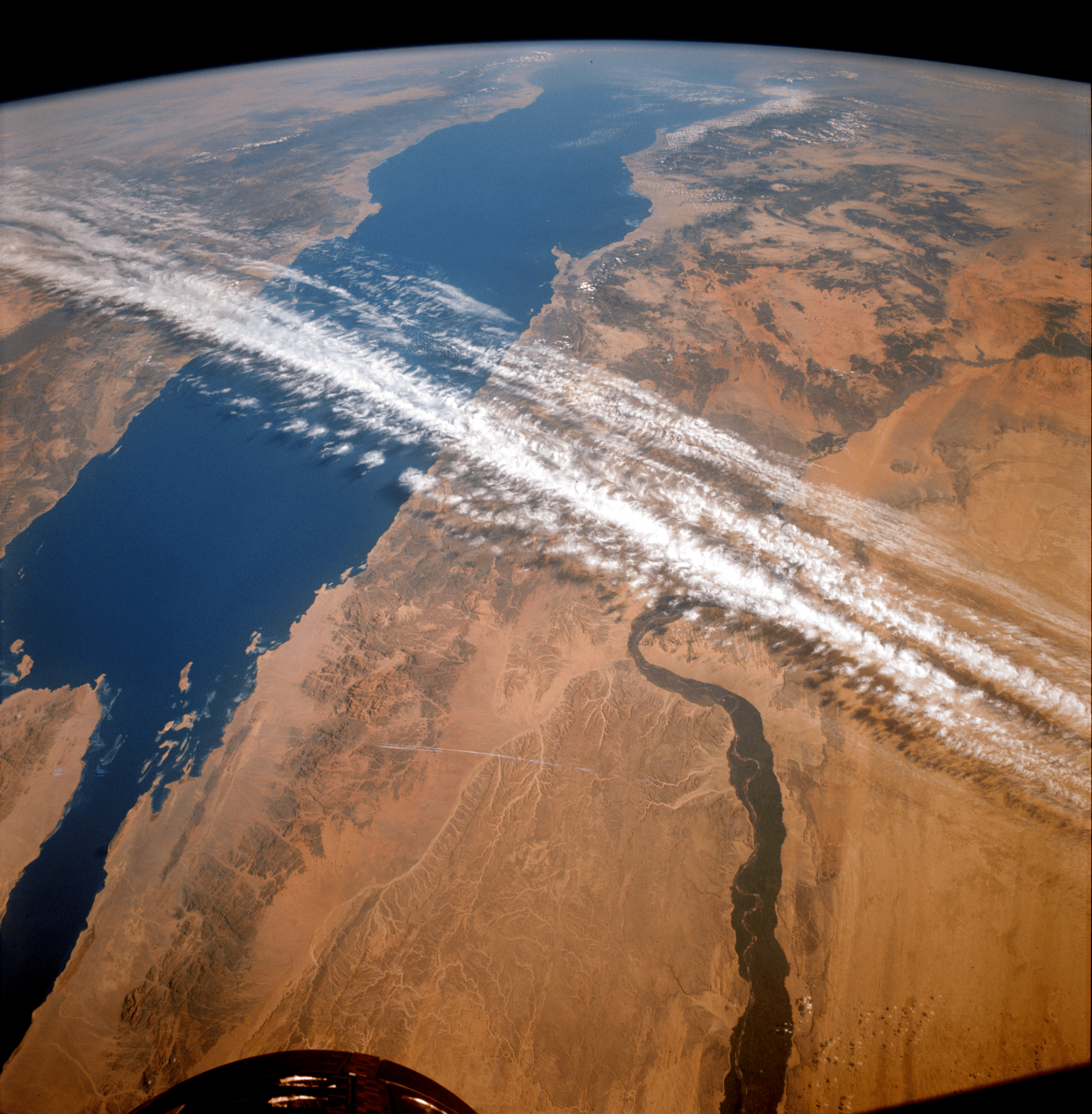
NASA astronauts James A. Lovell Jr. and Edwin E. "Buzz" Aldrin Jr. captured images of the Red Sea and Nile river valley on November 14, 1966, during their final Gemini mission. Gemini XII, which orbited Earth from November 11 to 15, 1966, achieved numerous firsts, including successful rendezvous maneuvers and spacewalks, crucial steps toward lunar missions.
However, the crew's photography also paved the way for a new field of exploration: Earth observation from space. The astronauts' photographs proved the value of orbital imagery for studying Earth's surface, leading to the push for a dedicated Earth observation satellite program. William T. Pecora, director of the US Geological Survey from 1965 to 1971, was a strong advocate for the development of Earth-observing satellites.
In 1969, Pecora acknowledged that the Earth Resources Observation Satellite (EROS) program, which eventually evolved into Landsat, was "conceived in 1966 largely as a direct result of the demonstrated utility of Mercury and Gemini orbital photography to Earth resource studies." For over five decades, Landsat and other Earth-observing satellites have provided invaluable data to monitor various aspects of our planet, from crops and wildfires to flooding and land use.
Written by urgent.news from NASA Science's reporting — not their text. Machine-written — may contain errors; check the original before relying on it.