Favela Communicators and Movements Elect Lula in Rio de Janeiro
Clique aqui para Português For the original article by Gizele Martins, published in Brasil de Fato on November 4, click here. November 4 is Favela Day! Favelas have 129 years of history. Today, they are [...]
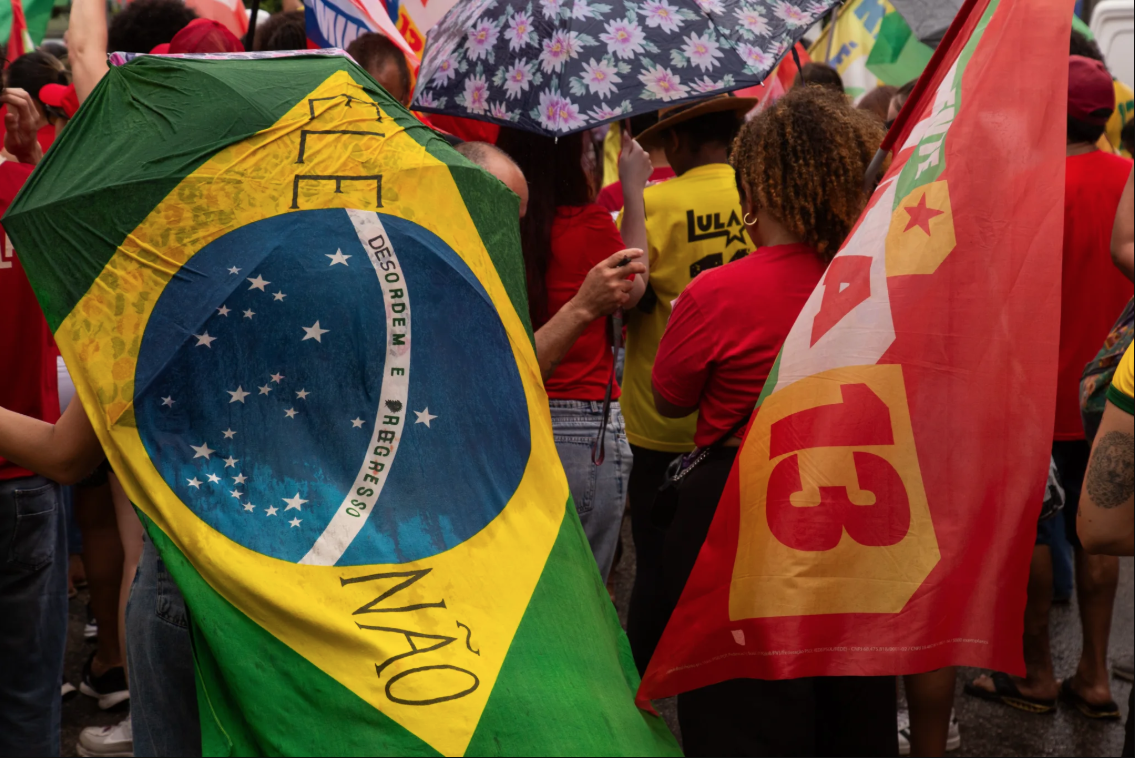
On October 17, 2026, in the favela of Maré located in Rio de Janeiro, the residents voted for Lula in the first round of the upcoming election. This group of 16 favelas, home to 140,000 residents, have endured police operations under the pretext of drug control, which aim to control their land and community life. Despite these challenges, Maré has become a hub of community media outlets, including community museums, radio and TV stations, and newspapers, as well as social media platforms.
Residents have long felt that left-wing parties do not prioritize their needs, as campaigns were notably absent during the recent election. In response to this perceived political error, community leaders organized a communications plan that involved print materials, social media, and a sound truck broadcasting audio recordings and music.
This strategy helped Lula gain over 9,000 additional votes compared to the first round, helping him secure a victory in Maré. The analysis by Voz das Comunidades highlights that this same favela received more votes for Lula than for Flávio Bolsonaro in every electoral zone monitored. This victory raises questions about the lack of investment in community media and the need for political campaigns to show up beyond moments of desperation.
Gizele Martins, a communicator from Maré, calls for a democratization of communication, public funding for community media, and sustained work within favelas and peripheral neighborhoods.
Written by urgent.news from RioOnWatch's reporting — not their text. Machine-written — may contain errors; check the original before relying on it.