Fatih Birol: The Energy World Will Never Be the Same As Before the Iran War
Changes in the world's energy will shape economies and geopolitics.
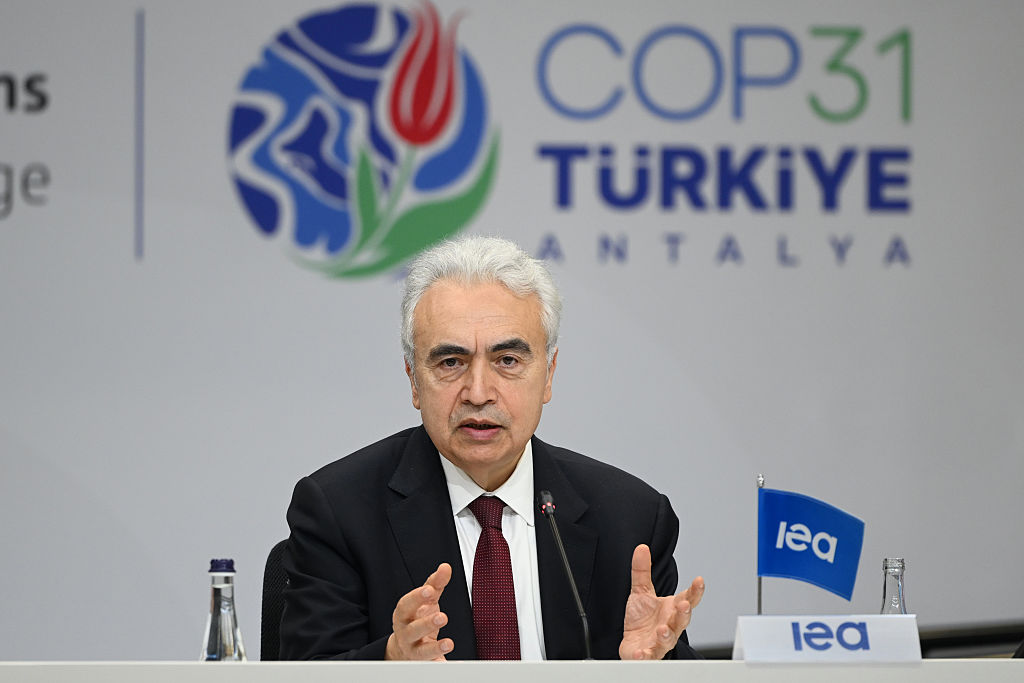
Fatih Birol, Executive Director of the International Energy Agency (IEA), delivered a compelling analysis during a press conference at COP31 in Antalya, Turkey. He firmly stated that the ongoing Iran War has brought about a profound and irreversible transformation in the energy sector. "I don't see any credible pathway in which the world of energy is going back to where it was before the Iran War," Birol emphatically declared on November 13.
The primary driver of this shift is the heightened emphasis on energy security. This focus has led to a surge in renewable energy production, as it can be generated locally, thereby mitigating the impact of global disruptions. Additionally, efficiency measures are being adopted to reduce fuel consumption and enhance resilience against supply shocks.
The IEA's policy tracker highlights numerous countries' adoption of energy security strategies, ranging from promoting biodiesel in Indonesia to offering incentives for solar and storage installations in Bangladesh. However, Birol underscores that these measures represent just the tip of the iceberg. He predicts broad-ranging economic and geopolitical ramifications, including economic diversification plans from oil-exporting nations, emerging trade partnerships, and investments in cutting-edge technologies such as next-generation batteries and nuclear power. All of these developments aim to safeguard energy supply against potential disruptions.
A central focus of the Antalya conference and Birol's perspective is electrification. Currently, less than a quarter of final energy consumption derives from electricity, while the rest is primarily derived from fossil fuels. By transitioning to electricity, which can be produced closer to the point of use, countries can significantly bolster their energy security. Moreover, when electricity is sourced from renewable energy, it further reduces dependency on imported fossil fuels.
The COP31 presidency is advocating for countries to commit to deriving 35% of their final energy consumption from electricity by 2035. Although today's electricity grid still incorporates fossil fuels to varying degrees, its cleaner profile compared to conventional fossil fuels is increasingly evident. Electrification promises a substantial structural shift, reshaping trade dynamics as nations either need to establish clean technology supply chains or forge strategic partnerships with cooperative entities.
This transition is expected to stimulate substantial investments in the power sector, fostering both large-scale infrastructure projects and the emergence of innovative electricity technology companies. The IEA's special report on electrification, published in September, estimates that annual global investments in electricity generation, battery storage, and grids could reach $2.5 trillion by 2035 in a scenario where electrification accelerates—an increase of $1 trillion from the previous year.
Birol's perspective is clear: the world is undeniably entering the age of electricity.
Written by urgent.news from Time's reporting — not their text. Machine-written — may contain errors; check the original before relying on it.