Experts divided on whether Najib's house arrest sets royal pardon precedent
KUALA LUMPUR: Datuk Seri Najib Razak’s house arrest could shape how future royal pardons are implemented, although constitutional experts differ on whether it would establish a precedent.
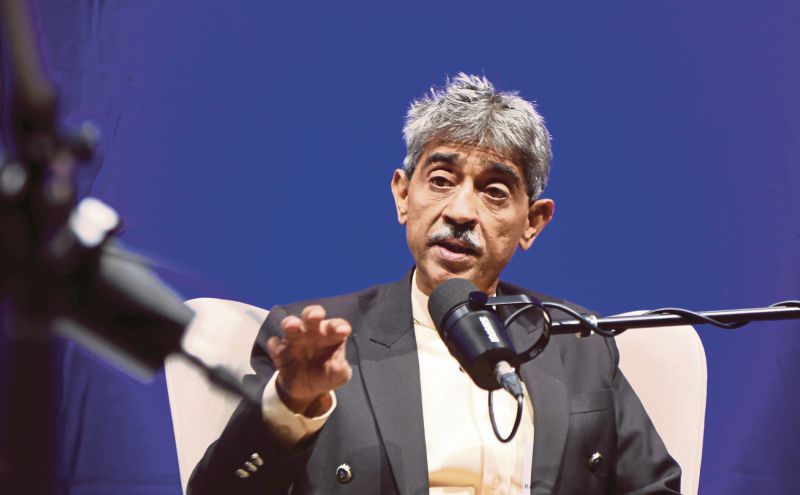
KUALA LUMPUR: The house arrest of former Malaysian Prime Minister Datuk Seri Najib Razak has sparked debate among constitutional experts, who differ on whether it sets a precedent for future royal pardons. Professor Dr Nik Ahmad Kamal believes Najib's case will likely establish a benchmark for future house arrest practices, as Article 42 of the Federal Constitution does not limit the form a pardon can take.
However, lawyer and constitutional expert Mohamed Haniff Khatri Abdulla argues that a royal pardon cannot establish a precedent that bound the ruler, stating the king can do as he pleases. The Home Ministry and Prisons Department must respect the Yang di-Pertuan Agong's wishes while ensuring Najib remains safe and does not abscond.
If unclear on the intended conditions, the minister and director-general could seek an audience with the king. Parliament could potentially amend the constitution to limit the royal prerogative, similar to amendments made in 1993 to restrict the ruler's immunity from civil and criminal proceedings.
Written by urgent.news from New Straits Times's reporting — not their text. Machine-written — may contain errors; check the original before relying on it.