EU leaders discuss how to boost Europe's AI industry while tackling risks at Dublin summit
European leaders together with Mistral CEO Arthur Mensch and AI pioneer Geoffrey Hinton discussed how Europe can build its AI industry while making sure the technology is developed responsibly.
EU leaders convened for their inaugural AI summit in Dublin, Ireland on Friday to deliberate on the fine line between keeping pace with AI advancements from the US and China, and safeguarding citizens from potential risks associated with the technology. The summit brought together the head of leading European AI company Mistral, Arthur Mensch, and Nobel laureate Geoffrey Hinton, often hailed as one of the "godfathers" of AI.
The discussions were a key part of the EU's strategy to lessen its dependence on foreign technology and services. US tech executives, such as OpenAI's Sam Altman and Anthropic's Dario Amodei, had previously called for a slowdown in AI development. In response, Mistral had urged Europe to accelerate its AI progress.
Irish Prime Minister Micheal Martin indicated during the summit's start that the leaders would explore the delicate balance between regulation and innovation, as well as how to ensure tech sovereignty for Europe. European Parliament President Roberta Metsola expressed frustration over the notion that the EU had "lost the AI race," emphasizing that the bloc boasts world-class talent and a robust technological ecosystem.
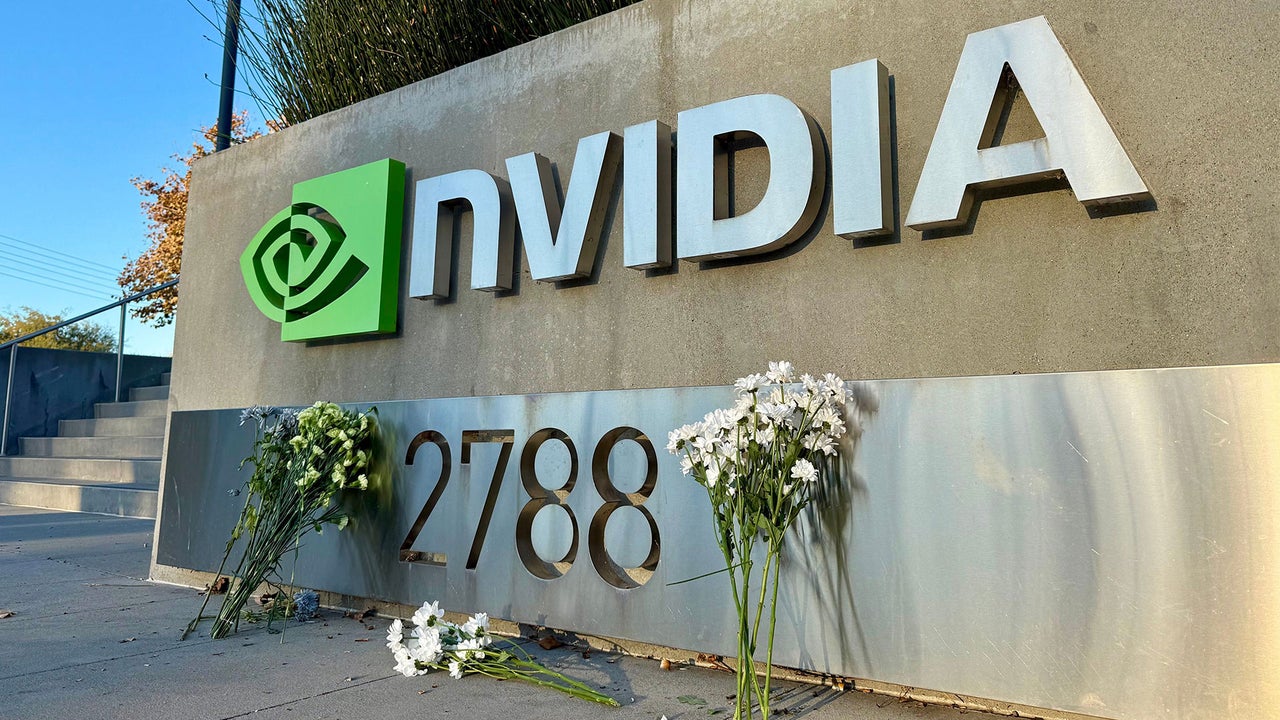
The summit took place amid a scandal engulfing Nvidia, a significant investor in the EU and a major player in the AI industry. CEO Jensen Huang had been embroiled in extramarital affairs, including with a woman suspected of spying for China. While Nvidia was not formally on the agenda, EU officials indicated that the scandal could still be discussed, particularly in terms of security ramifications.
During the AI-related talks, former Google researcher Hinton was anticipated to share insights on protecting individual rights, jobs, and addressing the security challenges posed by AI. Hinton and fellow computer scientist Yoshua Bengio had previously warned of AI's potential threats following the release of OpenAI's ChatGPT in 2022, which sparked the current AI frenzy.
EU Foreign Policy Chief Kaja Kallas cautioned of the "dark side of AI," citing examples such as AI-powered drones used in Ukraine's conflict to identify and eliminate targets. Estonia and Finland had also called for the establishment of EU-level arrangements to respond to serious AI incidents, emphasizing the need for responsible development and governance of advanced AI technologies.
Estonia's Prime Minister Kristal Michal echoed these concerns, warning against repeating past overreliance on non-EU suppliers for critical resources like fossil fuels and minerals. She urged the EU to invest in new technologies to avoid similar vulnerabilities. James Green, a researcher at the Centre for European Reform, advocated for an "all-of-the-above strategy" regarding AI, encompassing business case improvement, access to top models and technologies, responsible deployment, and mitigation of harms through regulation and international partnerships.
Written by urgent.news from Euronews's reporting — not their text. Machine-written — may contain errors; check the original before relying on it.
This story
This is one outlet's version. Read the fullest account.
- EU leaders to hold first ever talks on AI in Dublin freemalaysiatoday.com
- EU leaders set for Dublin artificial intelligence summit siliconrepublic.com
- EU leaders in Dublin to hear from 'godfather of AI' rte.ie