Energy Resilience Ukraine 2026 Ranking to Identify Leaders in Distributed Generation and Energy Storage Market
The volume of the Ukrainian market for distributed generation equipment and installation services, as well as energy storage systems, exceeds $4 billion, according to industry experts.
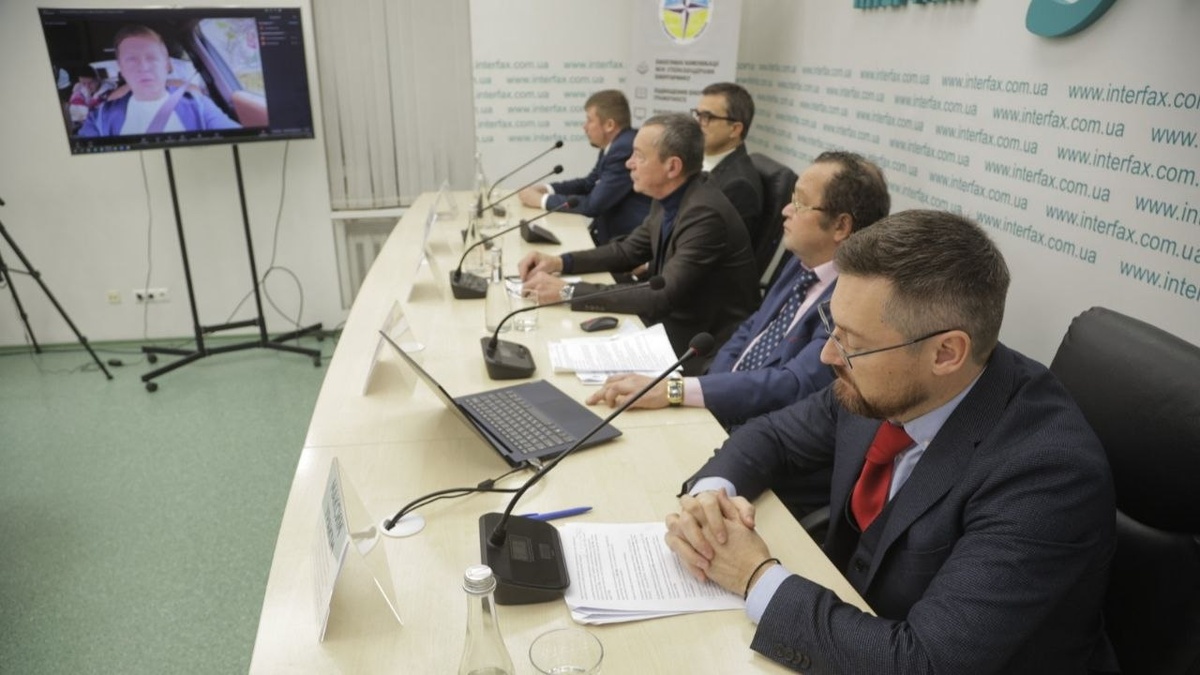
The Ukrainian market for distributed generation equipment, installation services, and energy storage systems is valued at over $4 billion, according to industry experts. The project Energy Resilience Ukraine 2026 has unveiled a TOP-50 ranking of distributed generation solutions and energy storage, highlighting challenges in the sector.
To address these challenges, members of the Verkhovna Rada Committee on Energy and Housing and Communal Services, including Serhii Nahorniak, advocate for parallel development of local power plants and transmission and distribution networks. The uneven distribution of investments has led to a significant shortage of generation capacity on the left bank of the Dnipro River.
A crucial issue identified is the need for war-risk insurance to incentivize investments. During peak consumption periods, demand could reach around 18 GW, while domestic generation capacity falls short by approximately 7 GW. Electricity import capacity from Europe is estimated at 2.3-2.5 GW, insufficient to fully cover this deficit.
The League for Energy Development of Ukraine reports that 1.5 GW of solar generation capacity was commissioned in Ukraine in 2025, with an estimated $3.5 billion spent on imported equipment and $620 million on installation services. However, there is a lack of structured information in the public domain about companies involved in designing, supplying, and installing this equipment.
The ranking considers four categories: suppliers and installers, enterprises with their own generation capacity, communities and regions, and replicable projects. The assessment methodology weighs 50% on the actual capacity commissioned in 2025 and the remaining 50% on an expert jury's evaluation. The ranking does not disclose the specific locations of generation facilities for security reasons.
Oleksandr Holizdra emphasizes the importance of clear distinction between equipment imports, installation, and commissioning. Some imported equipment is underutilized, with utilisation rates ranging from 15-17%. Local microgrids and energy islands are proposed as solutions to address inefficiencies.
A study on energy resilience conducted with the support of the German organisation GIZ identifies 20 barriers to the development of distributed generation, including outdated grids, administrative difficulties in connecting facilities, financing shortages, and limited community access to energy consumption data. The Supermarket of Solutions for Communities platform, managed by the Association of Small Cities of Ukraine, brings together over 22,000 participants and representatives of 1,289 communities to facilitate interactions with investors and suppliers of energy solutions.
Written by urgent.news from Interfax-Ukraine's reporting — not their text. Machine-written — may contain errors; check the original before relying on it.