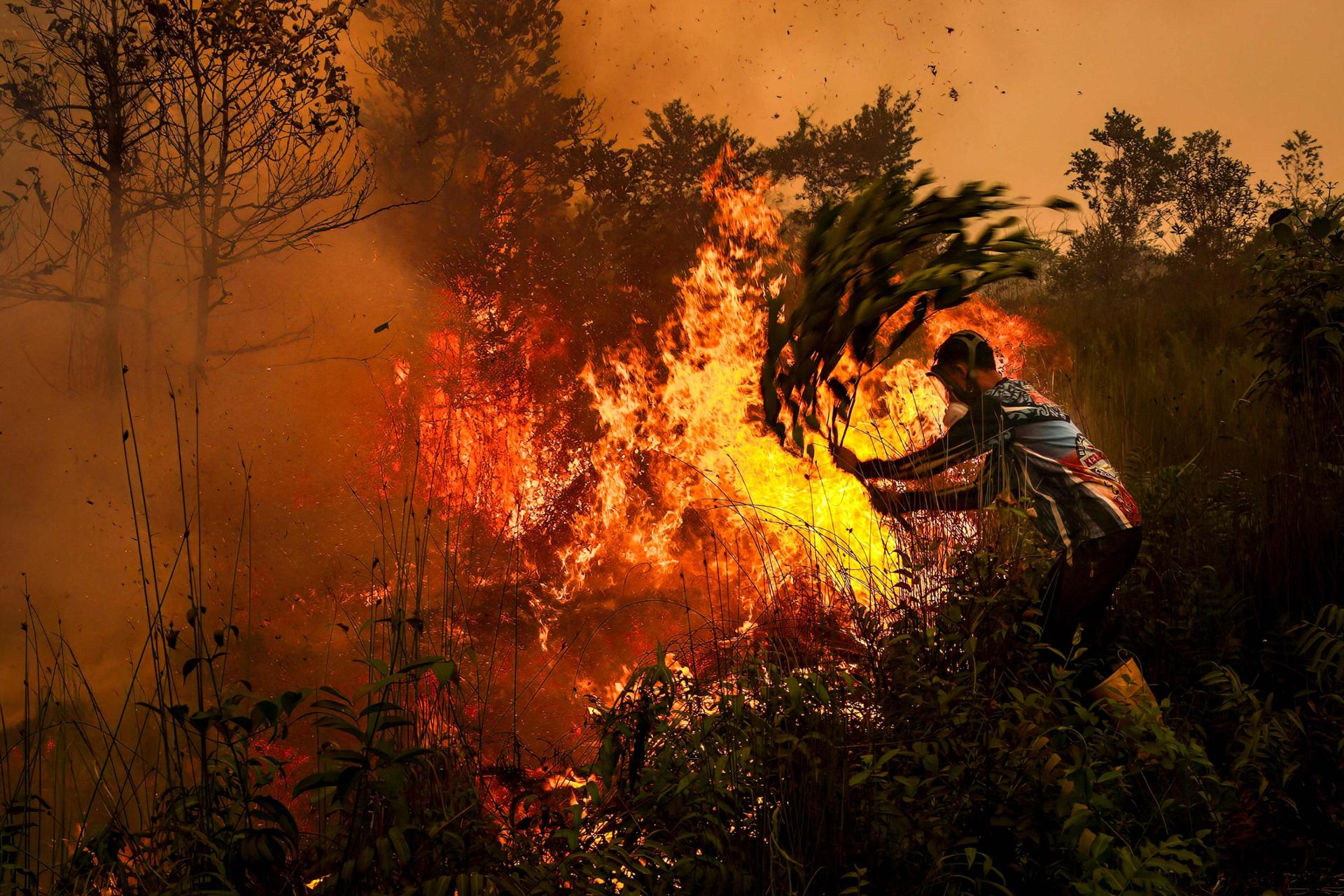
El Nino mostly to blame for Indonesia’s wildfires, researchers say
JAKARTA, Nov 13 — Wildfires that consumed vast swathes of Indonesia this year were driven largely by a strong El N...
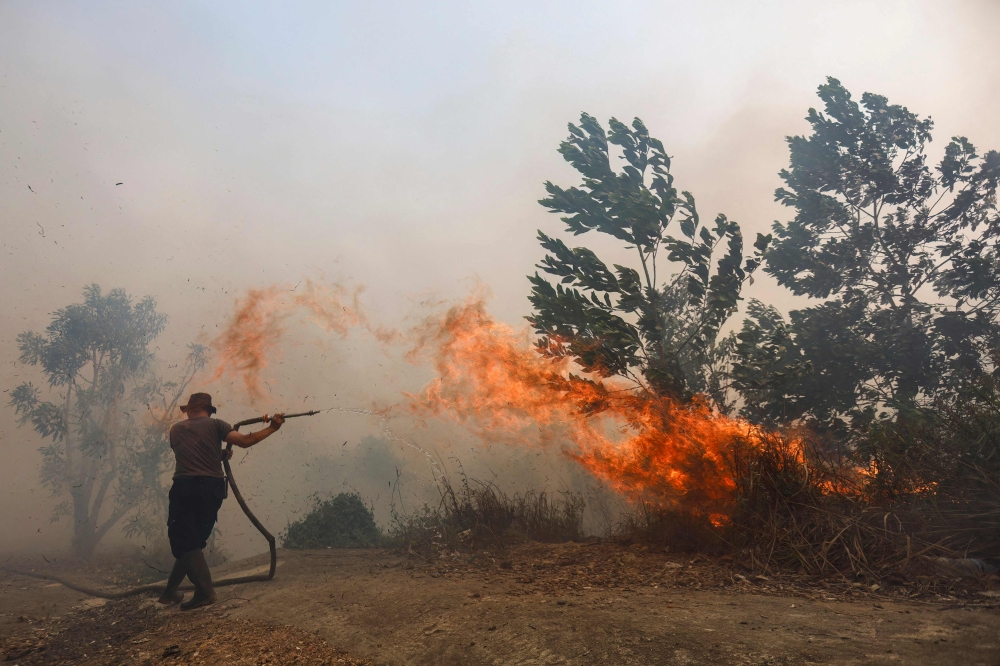
Wildfires that ravaged large areas of Indonesia this year were mostly caused by a powerful El Nino phenomenon, according to researchers. The climate event, exacerbated by climate change and years of environmental degradation, led to an extreme drought in the Southeast Asian archipelago from July to October, cutting seasonal rainfall by nearly half.
Climate change itself contributed to making the seasonal heat about 1.6 degrees Celsius hotter due to increased carbon emissions from burning fossil fuels. The combination of these factors made fire-prone atmospheric conditions three times more likely and more intense. Deforestation and drainage of peatlands for agriculture, mining, and logging were also significant contributors to the disaster.
Indonesia faced a health crisis as smoke from the wildfires caused hundreds of thousands to suffer from toxic haze, while many more in neighboring countries were exposed to hazardous air pollution levels. Meteorologist Pramudhian Firdaus of the FLARE Wildfire Research group emphasized the dramatic changes in Indonesia's landscapes over the past 30 years, with extensive peatland drainage and deforestation creating environments extremely vulnerable to ignition.
The report highlights the importance of emissions reductions and ongoing forest and peatland protection in mitigating future fire risks. This year's fires have burned through 2.88 million hectares (7.1 million acres) so far, nearly 18 times the size of London, an increase of nearly a million hectares in a single month. The Indonesian government has not confirmed or denied the figure nor released its own estimate of the area burned since July.
Indonesia typically experiences fires during the dry season, but this year's blazes have been exceptionally severe.
Written by urgent.news from Malay Mail's reporting — not their text. Machine-written — may contain errors; check the original before relying on it.