Brit police watchdog says cops' use of facial recog risks wrongful arrests
New report calls for change, highlights hodgepodge governance and misunderstanding about tech’s limitations among officers
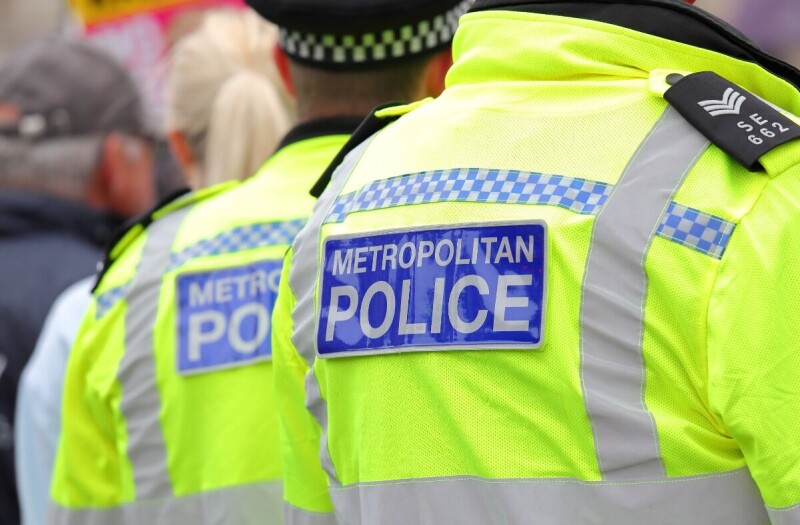
The UK's Criminal Justice Inspectorate has expressed deep concerns over the use of facial recognition technology by police forces, warning that it risks leading to wrongful arrests. The report highlights a significant gap in understanding among police forces and the National Crime Agency regarding the proper use of retrospective facial recognition (RFR) searches.
The inspectorate criticizes the fragmented and underdeveloped frameworks for governance and legislation surrounding RFR, pointing out the lack of specific legislation to ensure a consistent approach to its use by police. Existing laws, the report argues, have not kept pace with the rapid advancements in the technology.
Moreover, the inspectorate found that rules governing the use of RFR vary significantly among police forces, with a lack of uniform standards. This inconsistency is illustrated by the fact that, despite National Police Chiefs' Council (NPCC) representatives consistently communicating the importance of RFR, many individual investigators still treat RFR results as evidence rather than intelligence.
Consequently, some officers fail to conduct sufficient corroborative enquiries before acting on potential matches, leading to inappropriate investigative actions in some cases.
The inspectorate also found that some forces have not effectively managed their image retention policies, retaining custody images against guidelines. This practice undermines the integrity of the investigative process and poses additional risks of wrongful arrests. The Police Reform Bill is intended to address these issues by including a provision for statutory frameworks to establish nationwide standards and improve governance and oversight.
However, there are concerns that the Home Office's review in 2017 found such measures unfeasible, citing the impracticality of automating image deletion while maintaining legal compliance.
Experts like Kathryn Stone, an HMICFRS inspector, acknowledge that facial recognition has revolutionized policing, enabling rapid image comparisons and more efficient crime-solving. However, she reiterates the inspectorate's primary concerns, emphasizing the need for clear statutory frameworks, robust national standards, and stronger governance to maintain public confidence in the technology.
Stone also stresses the importance of human judgment in decisions involving RFR, while calling for improved training for police officers to ensure the more effective and lawful use of the technology.
Written by urgent.news from The Register Science's reporting — not their text. Machine-written — may contain errors; check the original before relying on it.
This story
This is one outlet's version. Read the fullest account.