Blue Flag beaches: What it takes to earn this global tag, held by just 22 in India
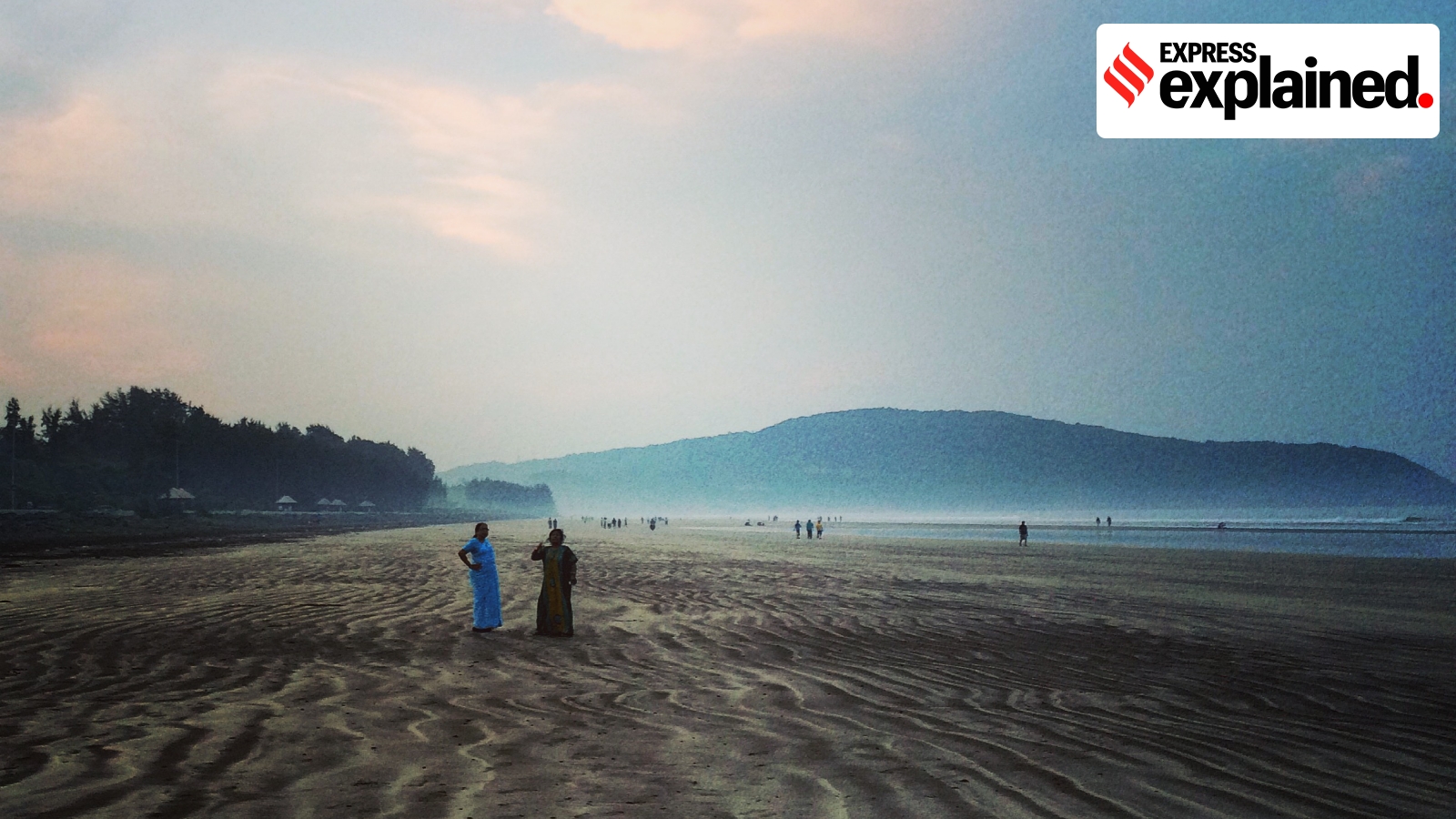
For the first time in Maharashtra, three beaches—Ladghar and Guhagar in Ratnagiri district, and Shrivardhan in Raigad district—have earned the prestigious Blue Flag certification. This accolade, awarded by a Denmark-based non-governmental organization, signifies that these beaches meet stringent standards of environmental protection, water quality, safety, accessibility, and environmental education. As of now, only 22 beaches across India hold this global tag.
The Blue Flag program, run by the Foundation for Environmental Education (FEE) headquartered in Copenhagen, Denmark, was initiated in France in 1985 and has since expanded globally. It assesses how a beach is managed rather than its popularity or tourism potential. The certification process involves rigorous evaluation at both national and international levels.
National operators in participating countries assess applications, which are then reviewed by an international jury comprising experts from various fields such as environmental protection, tourism, water quality, coastal management, and accessibility.
To qualify for the Blue Flag, a beach must meet 33 criteria divided into four categories: environmental education and information, water quality, environmental management, and safety and services. Environmental education involves informing visitors about the local ecosystem, bathing water quality, facilities, and visitor conduct.
Water quality is paramount, requiring regular water sampling and testing to meet strict standards for microbiological contamination. Environmental management includes regular cleaning, proper waste disposal, protection of sensitive habitats, and ensuring tourism infrastructure does not harm the surrounding ecosystem. Safety and services involve providing first aid facilities, emergency arrangements, adequate public safety measures, and basic amenities like drinking water and toilets. Additionally, accessibility for persons with disabilities is assessed.
The Blue Flag is awarded seasonally and must be renewed annually. Beaches must maintain the required standards throughout the certification period, or they risk having the certification suspended or withdrawn. In India, the certification is overseen by a national jury comprising experts, government representatives, and civil society members, with final decisions made by the FEE's International Jury.
Currently, India has 22 beaches with the Blue Flag certification for the 2026 to 2027 season, including 13 renewals and nine new additions. Maharashtra's Ladghar, Guhagar, and Shrivardhan beaches are among the new entrants. This recognition brings international validation to these coastal destinations, aligning them with global environmental and sustainability standards.
The state government aims to leverage this certification to encourage more beaches along Maharashtra's coastline to meet international standards, potentially enhancing their visibility to tourists and boosting local tourism-related businesses.
Written by urgent.news from The Indian Express's reporting — not their text. Machine-written — may contain errors; check the original before relying on it.