Bigger and more-frequent wildfires threaten water supplies across the U.S.
Wildfires leave behind charred trees and scorched vegetation that impact the streams and rivers providing drinking water to much of the country, and new studies show that contamination could remain for more than a decade.
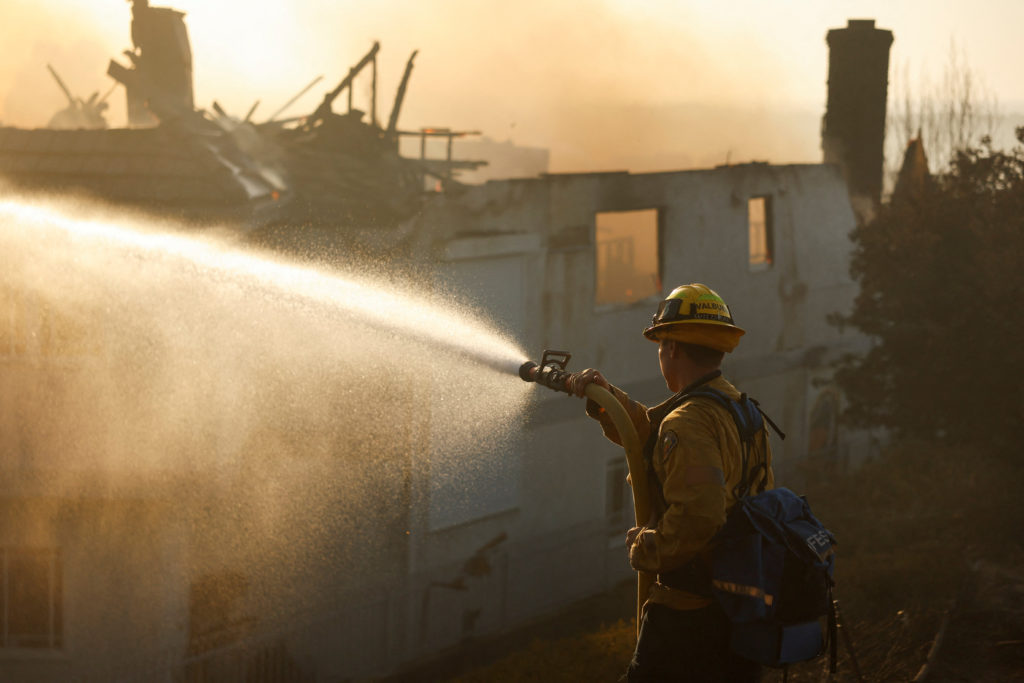
Bigger and more frequent wildfires are jeopardizing water supplies across the United States, according to new studies. Contamination from these fires can persist for over a decade, raising concerns as climate change and stronger El Niño events increase the frequency and intensity of wildfires in the country.
In 2026, there have been 68,179 wildfires burning more than 14,062 square miles. Rainwater carrying ash and organic matter from burned areas can contaminate streams that supply water treatment plants for towns and cities. The City of Las Vegas, New Mexico, experienced a month-long water crisis after the Hermit's Peak/Calf Canyon wildfire contaminated the Gallinas River in 2022. They had to provide residents with bottled water and transport tanks from nearby towns to build a new treatment plant.
The impacts of wildfires on water quality can last up to eight years, according to a University of Colorado Boulder study. Forested watersheds, which provide water to nearly two-thirds of U.S. municipalities, are particularly vulnerable. Contaminants such as heavy metals and dissolved organic matter can overwhelm treatment facilities, forcing them to shut off incoming water and resort to less reliable sources.
Utilities are reaching out to experts for help in finding alternative water sources or learning to treat the organic matter entering their plants. However, this can be challenging as sediments from burned vegetation are rich in nutrients like nitrogen and phosphorus, which can lead to algal blooms and produce toxins. Additionally, disinfected water can form harmful disinfection byproducts when reacting with organic matter left behind by fires.
Communities like Las Vegas, New Mexico, have faced significant challenges in dealing with the consequences of wildfires on their water supplies. In 2022, the Hermit's Peak/Calf Canyon wildfire forced the town to provide bottled water and seek water from nearby towns during a massive rainstorm. The town even hired trucks to bring 2.2 million gallons of water from nearby cities. As wildfires continue to pose a threat to water supplies across the U.S., communities are working to adapt and find long-term solutions.
Written by urgent.news from PBS NewsHour Science's reporting — not their text. Machine-written — may contain errors; check the original before relying on it.
This story
This is one outlet's version. Read the fullest account.