ASEAN faces Myanmar dilemma as some members pursue closer ties
BANGKOK: ASEAN is under increasing pressure at its upcoming summit to ease a five-year ban on Myanmar’s military-backed leaders attending high-level meetings, after Thailand and several other members stepped up engagement despite the country’s ongoing civil war. Leaders of the Association of Southeast Asian Nations are set to review their decision to exclude Myanmar when they meet in Manila from…
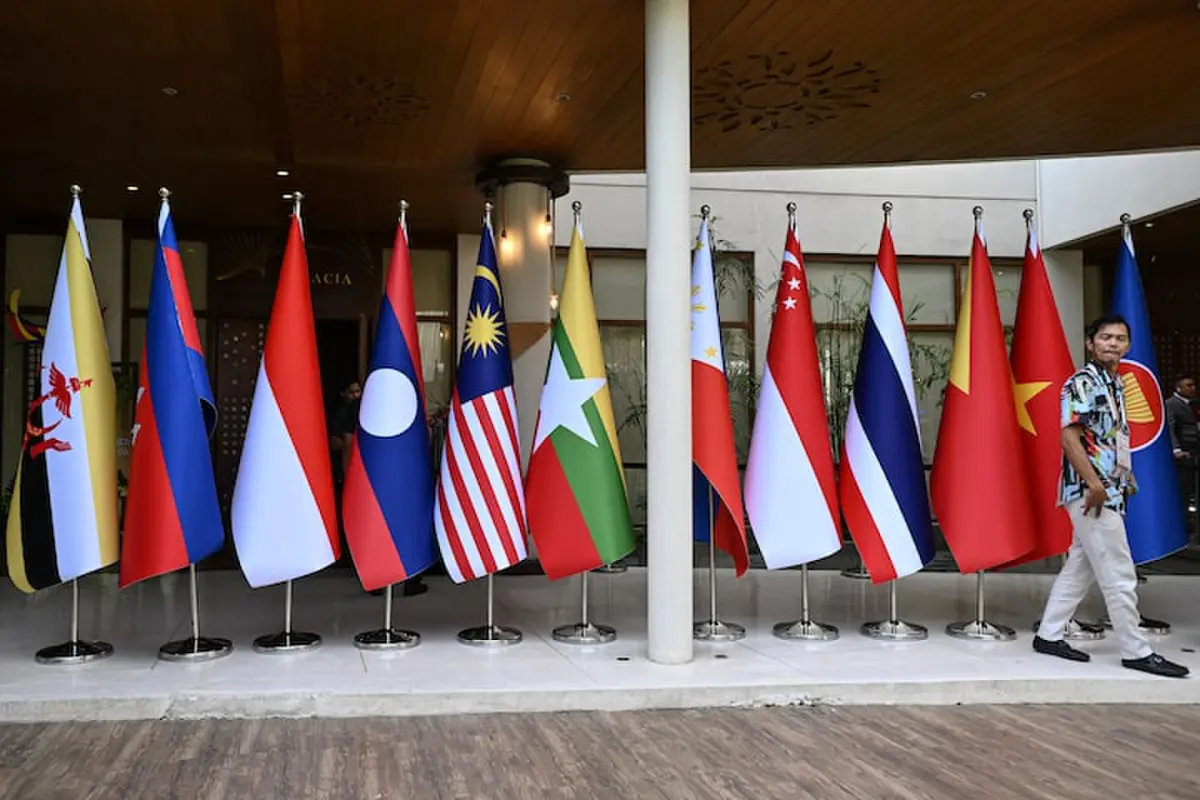
The Association of Southeast Asian Nations (ASEAN) is facing a dilemma as some member countries intensify their engagement with Myanmar's military-backed leaders, despite the Southeast Asian nation having been under a five-year ban on their participation in high-level meetings. Thailand and several other ASEAN members have stepped up their relations with Myanmar since the country's 2021 military coup, which has led to a civil war that has claimed over 100,000 lives.
Leaders of ASEAN are scheduled to discuss this issue at their summit in Manila from November 15 to November 17. Myanmar's political leadership has been barred from ASEAN summits and foreign ministers' meetings since the coup, as they have failed to implement the Five-Point Consensus, a peace plan agreed upon after the coup.
However, nearly half of ASEAN's 11 members have increased their bilateral engagement with Myanmar since the elections in December and January, which were won by the military-backed Union Solidarity and Development Party. Laos, Thailand, Vietnam, Cambodia, and Malaysia have welcomed Myanmar's military chief, Min Aung Hlaing, on official visits. Malaysian Prime Minister Anwar Ibrahim has pledged to work towards Myanmar's reintegration into the bloc.
Thailand, currently ASEAN's chair, is pushing for restrictions on Myanmar's participation to be eased. Thai Foreign Minister Sihasak Phuangketkeow stated that the next step is to have Myanmar's Foreign Minister participate in ASEAN meetings at the Foreign Minister level. He expressed hope that sufficient progress would allow a decision on Myanmar's participation by Thailand's chairmanship in 2028 at the latest.
Analysts argue that the evolving approaches to Myanmar are putting pressure on the Five-Point Consensus, which seeks an end to violence, inclusive dialogue, humanitarian assistance, and mediation by an envoy able to meet all parties. Leaders are expected to issue a negotiated document reviewing the implementation of the Five-Point Consensus at the upcoming ASEAN summit.
The consensus' implementation has made little progress, with the civil war ongoing, millions displaced, and efforts to bring the warring parties to the negotiating table failing. Aung San Suu Kyi, the country's civilian leader and a Nobel Peace Prize winner, has been detained since the coup and has not been able to meet with foreign leaders or envoys.
Thailand has offered to facilitate talks between Myanmar's government and ethnic armed groups along its border, though no date has been set. ASEAN's special envoy, Philippine Foreign Secretary Theresa Lazaro, visited Myanmar in October, but her role is under scrutiny, with discussions also covering the appointment of a permanent envoy. If no consensus is reached on this matter, the status quo will persist.
Thailand's assertive engagement highlights its concerns over the fighting spilling across its land border with Myanmar, as well as trade, migrant workers, and energy cooperation. However, some argue that Thailand's engagement has pressured other capitals to follow suit, leaving the next chair, Singapore, to reconcile divergent approaches.
It is not advisable to automatically lift ASEAN's restrictions on Myanmar, as it should not be an open-ended reception and recognition, according to Thitinan Pongsudhirak, a political scientist at Bangkok's Chulalongkorn University.
Written by urgent.news from Business Recorder's reporting — not their text. Machine-written — may contain errors; check the original before relying on it.