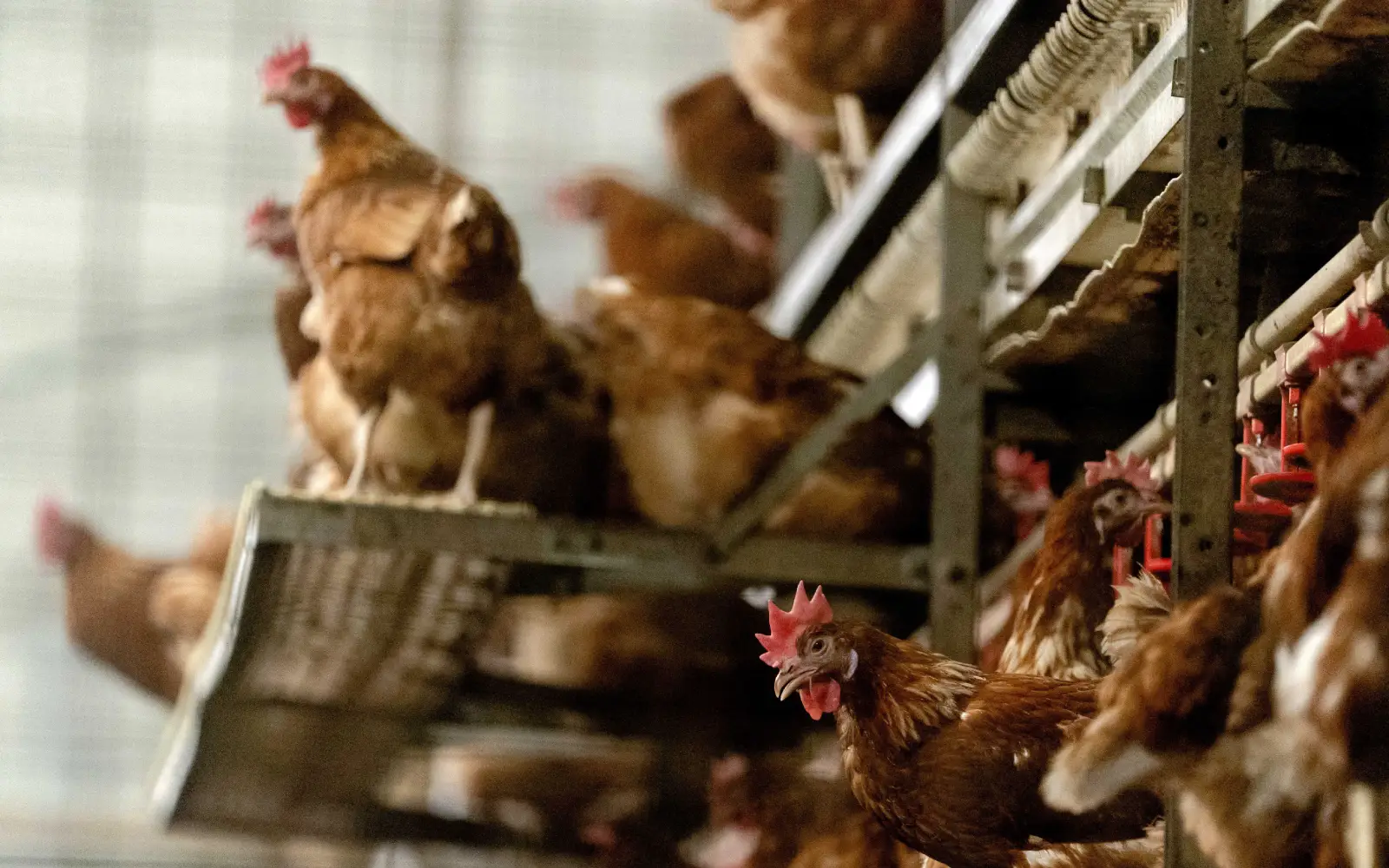
Animal cafes and exotic pet trade bring wildlife disease risks into public spaces
Mumbai-based veterinarian Rina Dev was hospitalized for four days recently with a lung infection. “I hope it’s not something from the parrots I was treating,” she told Mongabay India after being discharged from the hospital. Dev is an avian and exotic animal veterinarian who works closely with the forest department to treat animals that officials […]
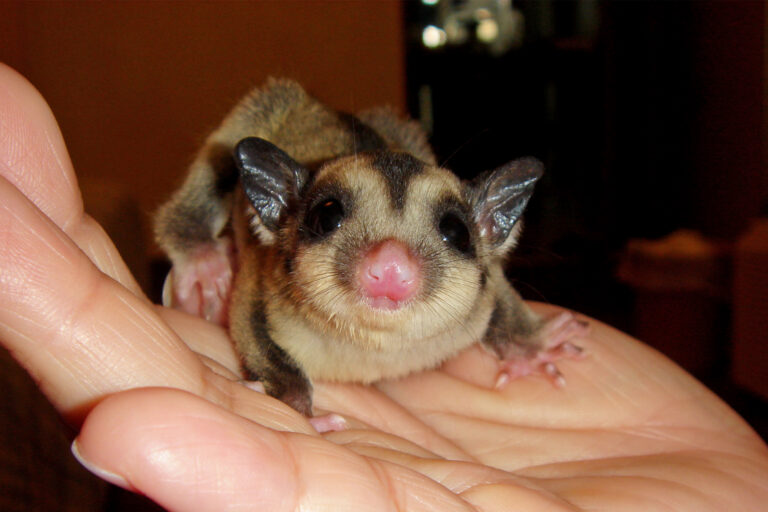
Mumbai-based veterinarian Rina Dev recently spent four days in the hospital battling a lung infection, expressing fear that it may have originated from the parrots she was treating. As an avian and exotic animal veterinarian, Dev works closely with the forest department to treat animals seized from the illegal wildlife trade. Her fears were grounded in reality, as psittacosis, also known as "the bird handler's disease," commonly infects individuals who handle birds.
A 2024 case detailed a man who contracted psittacosis from a parrot, experiencing symptoms such as high fever, chills, shortness of breath, cough, joint pain, and more. With proper treatment, he made a full recovery.
Numerous documented instances link the wildlife trade to human infections. In Belgium, 15 customs officers contracted psittacosis after exposure to infected parakeets. A comprehensive 2021 review by the ICAR–Indian Veterinary Research Institute highlighted the "critical zoonotic potential" of psittacosis. However, it represents just one of many pathogens capable of crossing species barriers.
Scientists have long endeavored to inform the public about the dangers that wildlife trade poses by bringing different species into unnatural proximity, facilitating disease transmission to animals with no immunity. A 2026 report by Humane World for Animals warns that the exotic pet trade, prevalent in India, creates conditions highly conducive to disease transmission.
Written by urgent.news from Mongabay's reporting — not their text. Machine-written — may contain errors; check the original before relying on it.