AI’s human cost cannot wait for a catastrophe
Losing a salary makes the debate about artificial intelligence personal. The rent still needs paying, school fees are due and loan repayments cannot wait. More than 100,000 jobs worldwide face potential cuts under company plans linked to AI, automation and restructuring, based on a tally of figures in a Reuters compilation. At the same time, Anthropic, the company behind Claude, has warned that…

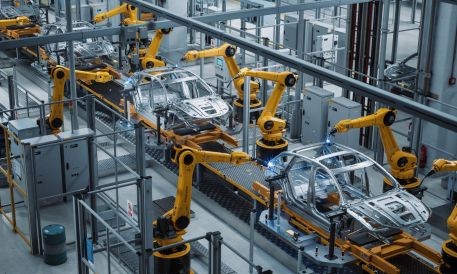
The debate over artificial intelligence (AI) involves both immediate human consequences and long-term existential risks. Approximately 103,000 to 105,000 jobs across technology, banking, manufacturing and other sectors could be cut worldwide as companies adopt AI and automation. This is a serious concern for those directly affected, who need to understand how these changes will impact them and what support their employers will provide.
Meanwhile, Anthropic, the company behind the Claude AI, has warned that advanced AI could pose "catastrophic risks" without proper safeguards. These are separate issues, yet they both require urgent attention. Companies are already announcing workforce reductions, while Anthropic is describing potential catastrophic risks that might arise from AI systems.
Businesses are making decisions now about which tasks to delegate to AI, how much autonomy to give it, and how many employees to retain. The job figures show that companies are taking significant steps to reduce their workforce, but it is unclear how many of these cuts would have occurred without the influence of AI.
The question of whether AI could pose an existential threat to humanity is a separate issue from the immediate job losses. While Anthropic acknowledges that catastrophic risks could exist in principle, it also recognizes that its safety measures are not independently verified. This highlights the need for rigorous testing and oversight to ensure that AI systems are safe and reliable before they are deployed in critical or sensitive contexts.
Employers must explain how they will support employees whose jobs are at risk, including providing training and career opportunities. At the same time, investors and the public need to know how companies are addressing the potential risks of AI, such as cyberattacks, biological weapons, or systems acting beyond human control. It is not enough to simply issue a warning; companies must demonstrate that their safety measures are effective and that they have systems in place to manage any failures or unintended consequences.
Ultimately, while reducing costs and improving efficiency are important goals, they should not come at the expense of employee well-being or the potential dangers posed by AI. Companies must strike a balance between economic benefits and ethical considerations, ensuring that their use of AI does not come at the expense of human jobs or safety.
Written by urgent.news from Gulf News's reporting — not their text. Machine-written — may contain errors; check the original before relying on it.