After $604M verdict, fleets face AI camera blind spots
CHARLOTTE, N.C. — Nuclear verdicts against trucking companies rarely grow out of the facts of the crash itself, according to trucking defense attorney Doug Marcello. Plaintiff attorneys look for evidence of systemic failure, and Marcello said AI-only dash cams are giving them a new place to find it: risky driving the camera recorded but the […] The post After $604M verdict, fleets face AI camera…
In a $604 million verdict against trucking company C.H. Robinson, fleets face potential blind spots in AI camera systems, according to trucking defense attorney Doug Marcello. The lawsuit stems from a 2021 crash in Jackson, Mississippi, that killed three people and the truck's driver. Marcello argued that AI-only dash cams are giving plaintiffs a new opportunity to find evidence of systemic failure, as these cameras may capture risky driving the AI never flagged.
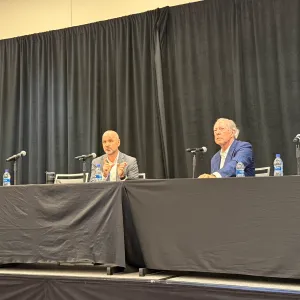
This leaves fleets accountable for footage their safety teams may have overlooked. At the American Trucking Associations’ Management Conference & Exhibition in Charlotte, North Carolina, Marcello emphasized that if fleets hold video footage, they are responsible for it, regardless of whether AI detected the risky behavior. Early video-based safety systems recorded events when accelerometers sensed G-forces surpassing a set threshold, and reviewers examined each event frame by frame.
However, modern cameras use computer vision to label risky behavior, often sending videos directly to the fleet's coaching workflow without human review. Federal rules dictate where the camera is mounted, but there are no regulations governing how the video is reviewed. Consequently, juries may establish the standard of care based on their interpretation of AI's performance.
A mock trial conducted by Marcello revealed that jurors were unsympathetic to a carrier whose driver caused a fatal accident due to overspeeds and hard brakes. The focus group indicated that fleets must pay attention to drivers' activities, whether captured by AI or not. The lack of knowledge regarding false-negative rates—when the AI fails to flag risky behavior—was highlighted during the panel discussion.
Solera, a company that provides video safety systems with a human review layer, found that up to 30% of AI-triggered videos held other risks the AI did not identify. This discrepancy may arise from vendors' efforts to reduce false alerts, which can inadvertently increase the likelihood of unflagged risky behavior.
Written by urgent.news from FreightWaves's reporting — not their text. Machine-written — may contain errors; check the original before relying on it.