60 years ago the Leonid meteor shower produced 144,000 meteors per hour. Could it happen again?
60 years ago, the Leonid meteor shower unleashed one of the most spectacular meteor storms in recorded history. As the 2026 peak approaches, here's what skywatchers can expect.
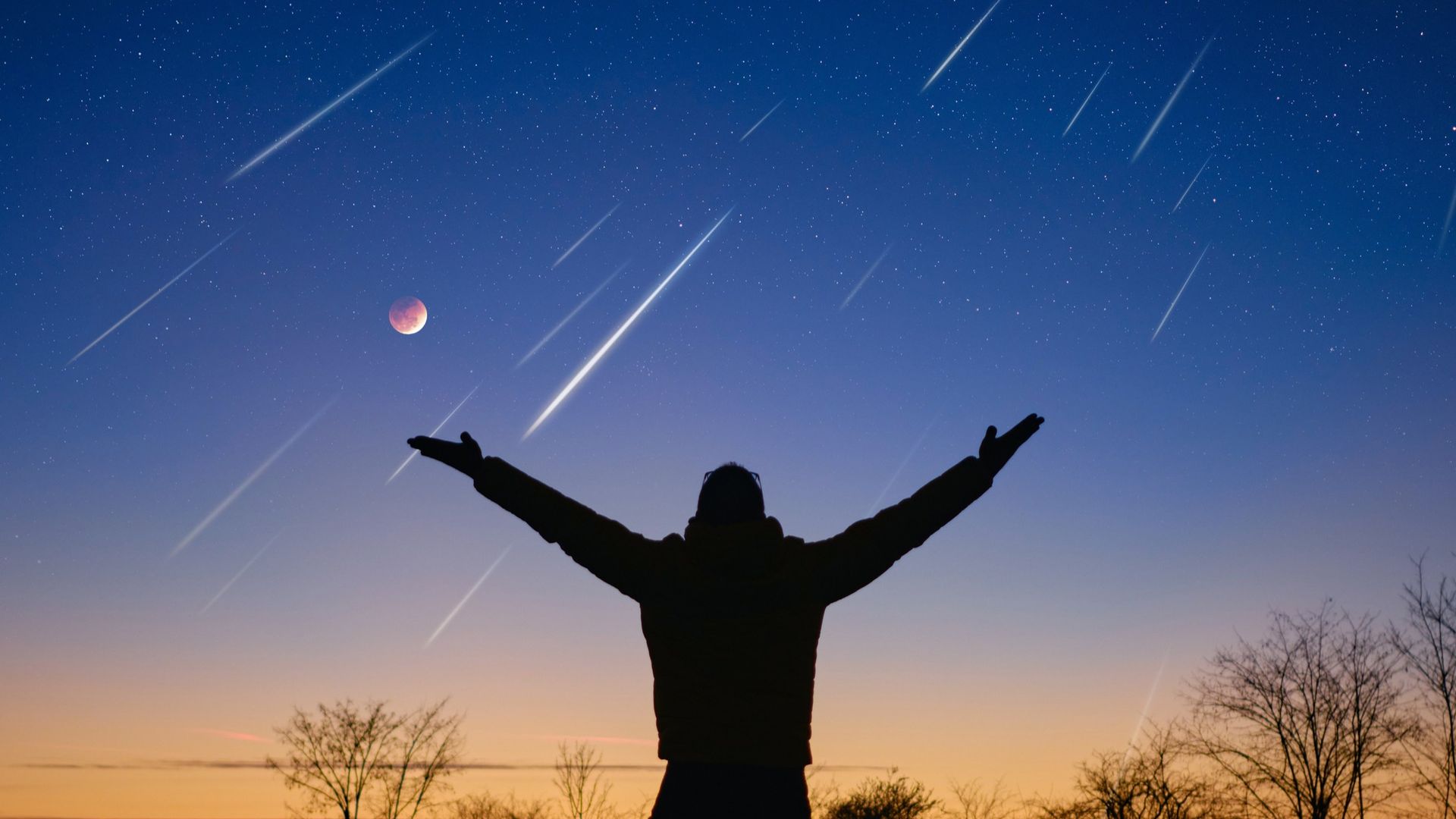
Sixty years ago in 1966, one of the most extraordinary Leonid meteor displays dazzled the predawn skies over the central and western United States. As we ponder what the 2026 Leonids may bring, it's essential to understand the shower's origins. The Leonids earn their name due to the radiant point, where meteors appear to converge, located within the constellation Leo the Lion.
These meteors are remnants of the Tempel-Tuttle comet, which orbits the sun every 33⅓ years, depositing a dense trail of dusty debris in its wake. When Earth crosses this trail, a meteor storm may occur. The most notable Leonid storms took place in 1833 and 1966, with rates reaching tens of thousands of meteors per hour. However, recent years have seen significantly weaker displays, with the 2026 Leonids expected to be particularly lean.
The peak activity is anticipated to occur around 23:45 UTC on November 17, with a peak of 15 meteors per hour under ideal conditions. Other experts predict peaks at slightly different times, between November 17 and 19. Despite the lack of significant activity this year, meteor watchers can still expect to observe the radiant point of Leo, known as the "Sickle," becoming fully visible after midnight, providing the best time to look for Leonids.
Written by urgent.news from Space.com's reporting — not their text. Machine-written — may contain errors; check the original before relying on it.
This story
This is one outlet's version. Read the fullest account.
- Tears of the Lion: Catching the 2026 Leonid Meteors universetoday.com