25 Years Ago, Kojima Made the Perfect Metal Gear Solid for the 2020s
When Metal Gear Solid 2 launched 25 years ago it seemed almost indecipherable. Today, it's clear that Kojima's sequel was decades ahead of its time, predicting digital disinformation, AI deepfakes, and the breakdown of reality.
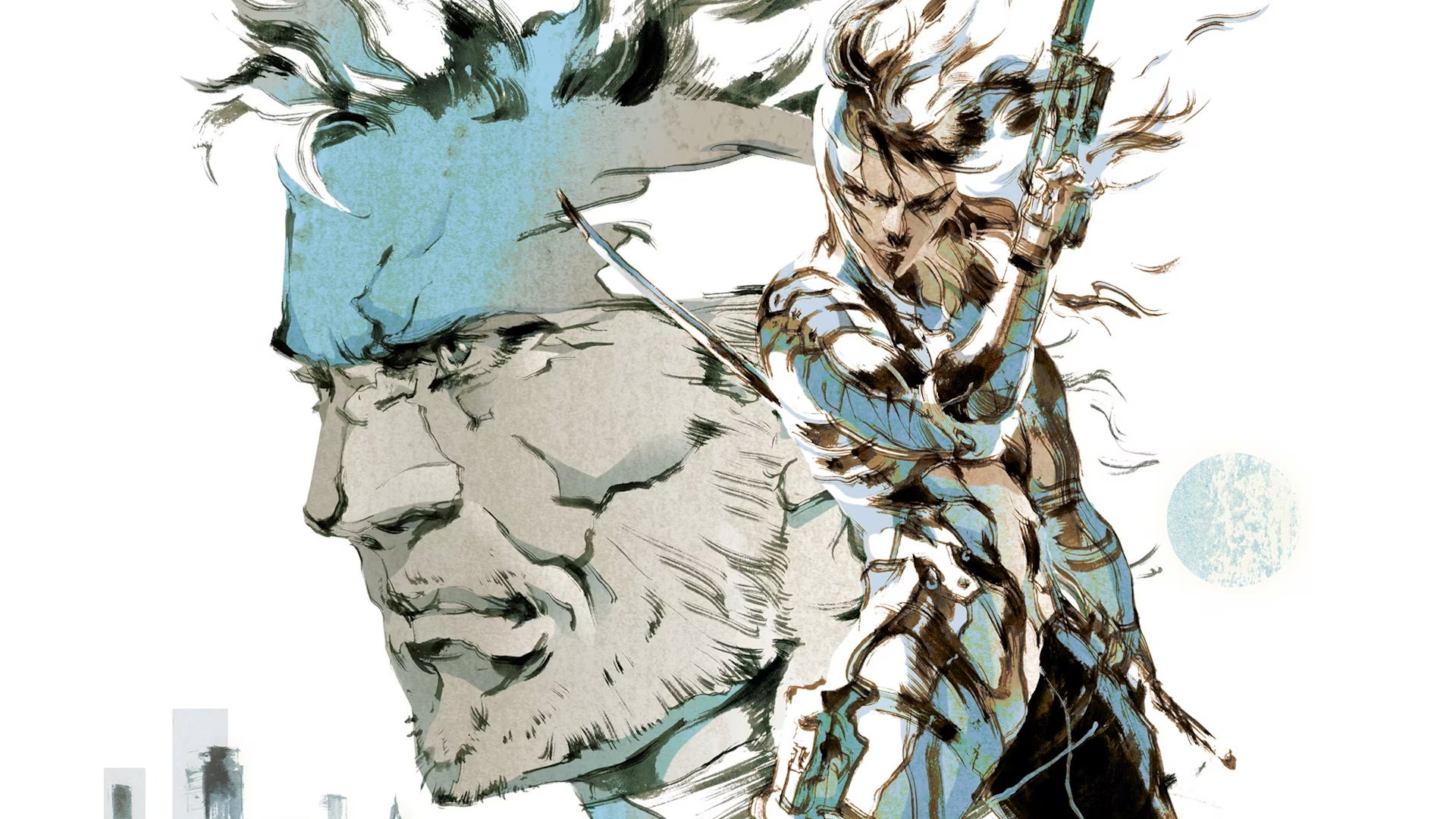
In 2001, a groundbreaking game was released that would become a cornerstone of the first three PlayStation console generations. Metal Gear Solid 2: Sons of Liberty marked a significant milestone in the series and the gaming world as a whole, as it not only delivered thrilling gameplay, but also introduced thought-provoking themes that would prove eerily relevant even 25 years later. This opinion piece by Carlos Morales delves into the reasons behind MGS2's timeless appeal and its uncanny predictive abilities.
The game took an unconventional approach by starring Raiden, a new protagonist, instead of the iconic Solid Snake. This decision initially caused controversy among fans who were accustomed to following Snake's journey. Moreover, the game featured lengthy cutscenes and Codec calls, where characters discussed deep and complex issues.
Some critics found MGS2's storyline too intricate and emotionally taxing, comparing the experience to consuming oneself in a challenging mental exercise. However, as the years progressed, MGS2's narrative complexities and thought-provoking themes began to resonate more with the society it predicted.
Among the topics explored in the game were social engineering, digital censorship, cyberwarfare, and the post-truth society. These themes were notably relevant in the years following the release of MGS2, as the world witnessed the rise of digital misinformation, deep fakes, and generative AI. These developments created societal rifts and blurred the lines between reality and fiction, all of which were predicted decades earlier by Hideo Kojima's masterful narrative.
Although some players initially found the protagonist Raiden irritating, he eventually earned his place as a worthy successor to Snake, becoming a badass cyborg ninja in later installments of the series.
MGS2's artistic depth and originality lie in its metatextual use of game design elements as storytelling devices. The game opens with Solid Snake infiltrating a tanker in the Hudson River, leading to the theft of a prototype Metal Gear and the presumed death of Snake. Two years later, terrorists led by Solidus Snake, one of Snake's clones, seize the facility Big Shell, taking the President hostage.
Raiden, a new agent from FOXHOUND, is tasked with rescuing the hostages and stopping the terrorists. However, it soon becomes apparent that the entire situation was orchestrated by a shadowy group called the Patriots who secretly controlled the United States government for decades, manipulating Raiden's life as well.
Kojima employed this plot twist to highlight how video game players are subconsciously conditioned to perform certain actions through design choices. He masterfully used the mechanics of the game to draw parallels between the player's experiences and the real-world societal manipulation by the Patriots. Through this narrative device, MGS2 transcended the boundaries of a typical tactical espionage adventure, becoming an influential work of art that transcended time and technology.
Written by urgent.news from IGN's reporting — not their text. Machine-written — may contain errors; check the original before relying on it.