'World seems brighter', says patient in UAE corneal transplant first
The world has become a brighter place for a 74-year-old Jordanian man who underwent the UAE's first corneal transplant using locally-sourced tissue. Similar procedures have been performed previously in the UAE , but using imported donor tissue from outside the country. Donor tissue was provided by Abu Dhabi Biobank, with surgical expertise from the Bascom Palmer Eye Institute, to repair the sight…
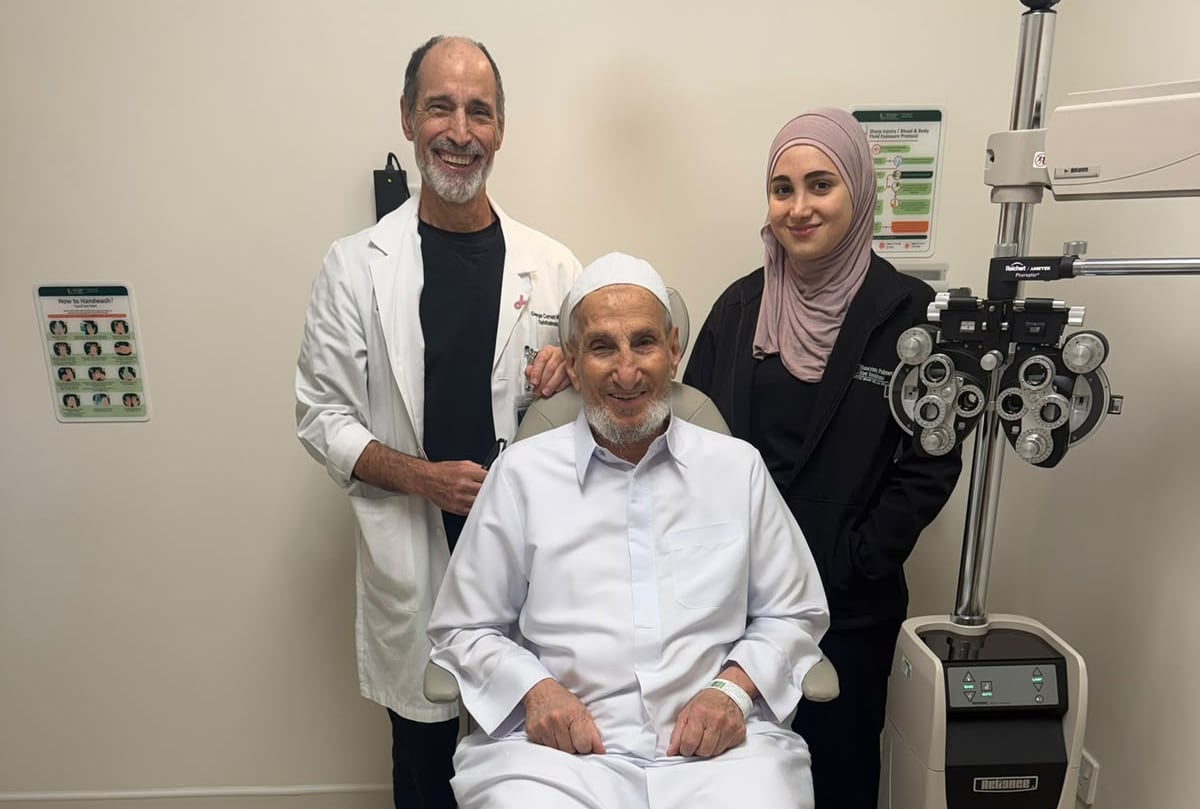
A 74-year-old Jordanian man, Yaseen Abdel Majid Alabdalat, is experiencing a brighter world after undergoing the UAE's first corneal transplant using locally-sourced tissue. The procedure, performed on October 20, was made possible by Abu Dhabi Biobank providing donor tissue and the Bascom Palmer Eye Institute offering surgical expertise.
Alabdalat had suffered from painful complications following cataract surgery in Jordan, leading to bullous keratopathy and blurred vision. The transplant, an endothelial keratoplasty, replaced only the thin inner layer of his cornea, allowing for a quicker recovery. Dr. George Corrent, head of the cornea service at Bascom Palmer Eye Institute Abu Dhabi, expressed hope that this procedure would pave the way for more patients to benefit from the surgery.
The transplant was successful, and Alabdalat regained most of his vision, describing the world as "brighter and more colourful." The shortage of donor corneas remains a significant issue, but improved access to replacement corneas in the UAE could change that, thanks to the new partnership between the Abu Dhabi Department of Health and M42.
Written by urgent.news from The National Business's reporting — not their text. Machine-written — may contain errors; check the original before relying on it.
Also reported by 1 other outlet
- 'World seems brighter', says patient in UAE corneal transplant first thenationalnews.com