Why what’s happening at sea affects the price of food in your fridge
Supermarket shelves are not as empty as they were in 2020 when Covid-19 hit, but food prices have risen over the past couple of months and are expected to keep rising. Who or what is responsible for the increase? The answers point to war and El Nino climate phenomenon . The most recent World Bank report, Commodity Markets Outlook , states that food commodity prices are set to rise by 10 per cent…
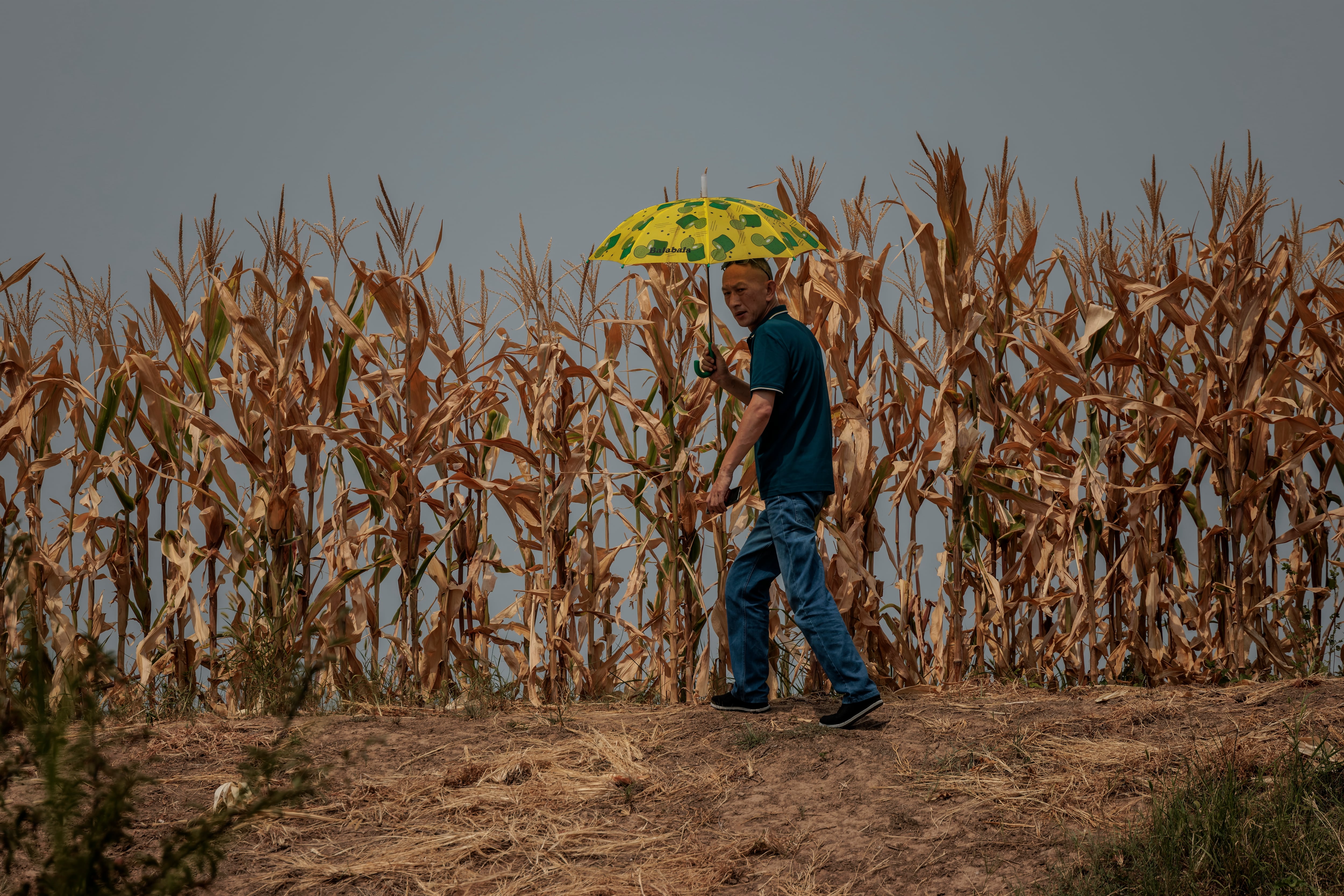
Supermarket shelves may not be as bare as they were during the Covid-19 pandemic in 2020, but food prices have been steadily climbing over the past few months and are projected to continue rising. The culprits behind this surge are war and the El Nino climate phenomenon. According to the latest World Bank report, Commodity Markets Outlook, food commodity prices are expected to increase by 10% in 2026 and 7% in 2027 due to the challenges posed by conflict disrupting shipments through the Black Sea and unpredictable weather patterns affecting harvests.
These updates reflect the influence of geopolitical and climate-related factors on the market. The forecasts indicate a 7.6% rise in food commodity prices for 2026 and a 13.9% increase for 2027 compared to the previous April revision. However, if El Nino or the ongoing conflicts worsen instead of improving, food prices could become unaffordable for many consumers.
El Nino, a recurring climate phenomenon characterized by fluctuations in sea surface temperature in the central and eastern equatorial Pacific, can either bring dry conditions or heavy rainfall to various regions around the world. On average, El Nino tends to cause dry weather in Australia, Central America, parts of South America, the Sahel, and South and Southeast Asia.
Conversely, it often results in wet weather in other regions of South America, Central Asia, and the southern US. Governments have begun preparing for the potential impacts of El Nino. For instance, the Kenyan government announced a nationwide preparedness plan in July for the anticipated El Nino weather event, expressing concerns about flooding and crop damage.
In October, the UK government advised citizens to prepare for possible nationwide emergencies by stocking up on essential provisions and registering for state assistance due to warnings of severe weather, drought, and flooding, as well as potential hostile actions from Russia and Iran. Although the exact impact of El Nino on commodity prices is difficult to predict, historical trends suggest that agricultural commodity prices, including food, tend to be higher in the months following an El Nino event.
The current forecast implies a decrease in agricultural input costs for the following year, thanks to lower energy and fertilizer prices, assuming Middle East crude oil exports return to prewar levels, global liquefied natural gas supplies improve, and Russia lifts restrictions on oil product exports. However, if conflicts escalate, energy and fertilizer supply disruptions could lead to higher production costs, ultimately driving up food prices.
Farmers might also experience reduced crop yields, further straining future supply and putting additional pressure on food prices. Moreover, a more intense El Nino could exacerbate heat stress and drought in major rice, edible oil, and sugar-producing regions, leading to prices that exceed current predictions. Similarly, heavy rain and flooding could harm crops in areas like Brazil and East Africa.
The extent of the impact will depend on the location, scale, and existing inventory levels. Nonetheless, as demonstrated before, El Nino's involvement in the food supply chain is evident in price increases.
Written by urgent.news from The National Business's reporting — not their text. Machine-written — may contain errors; check the original before relying on it.