Why our political fights devolve into wars about words
In August 2024, I moved with my family from Chicago, Illinois, to Milan, Italy, to test out living overseas for a year. In the months after relocating, the American presidential race took an unprecedented turn with then-Vice President Kamala Harris navigating a late nomination to the Democratic ticket, Donald Trump surging to win the election, and Americans absorbing major societal shifts…
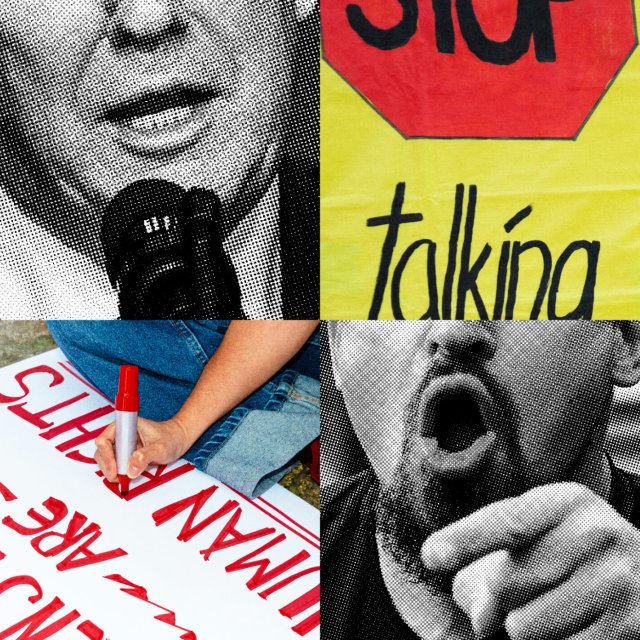
In August 2024, the author, having recently moved from Chicago to Milan, noticed a change in how they consumed American political news. With fewer public TVs and soccer games dominating the screens, the author turned to The New York Times and their friends for updates. After weeks of monitoring the political landscape, they decided to set a rule: if a story was mostly about words, they would ignore it.
Instead, they focused on stories with action. This simple rule led the author to notice a pattern in American society's preoccupation with language. Despite major events during the 2024 election, much of the news focused on words, such as Democrats advising against using certain terms and Trump's executive order to rename Mount McKinley.
The stakes for actions, like renaming things or taking lethal strikes, tend to be higher than debates over words. The author also observed that the amount of attention devoted to vocabulary compared to behavior is disproportionate. The term "verbalism" describes this preoccupation with words relative to substantive action. This fixation can be attributed to various factors, including the transformation of the media ecosystem, the rise of social media, and the business model of cable news, which often prioritizes cultural issues over economic ones.
Additionally, global material security may play a role, with rising safety and wealth leading to a greater focus on self-expression and free speech. Ultimately, the author believes that this focus on words may be a sign of people turning to simpler things when faced with complex and overwhelming problems.
Written by urgent.news from Big Think's reporting — not their text. Machine-written — may contain errors; check the original before relying on it.