Why Koreans eat boiled pork with fresh kimchi — and what it does to the body
com. As Korea's annual kimchi-making season approaches, one traditional food pairing is drawing renewed attention for its potential health benefits: freshly made kimchi served with steaming slices of boiled pork. Known as "suyuk," the tender boiled pork has long been a staple at the end of "kimjang," the traditional Korean practice of preparing large…
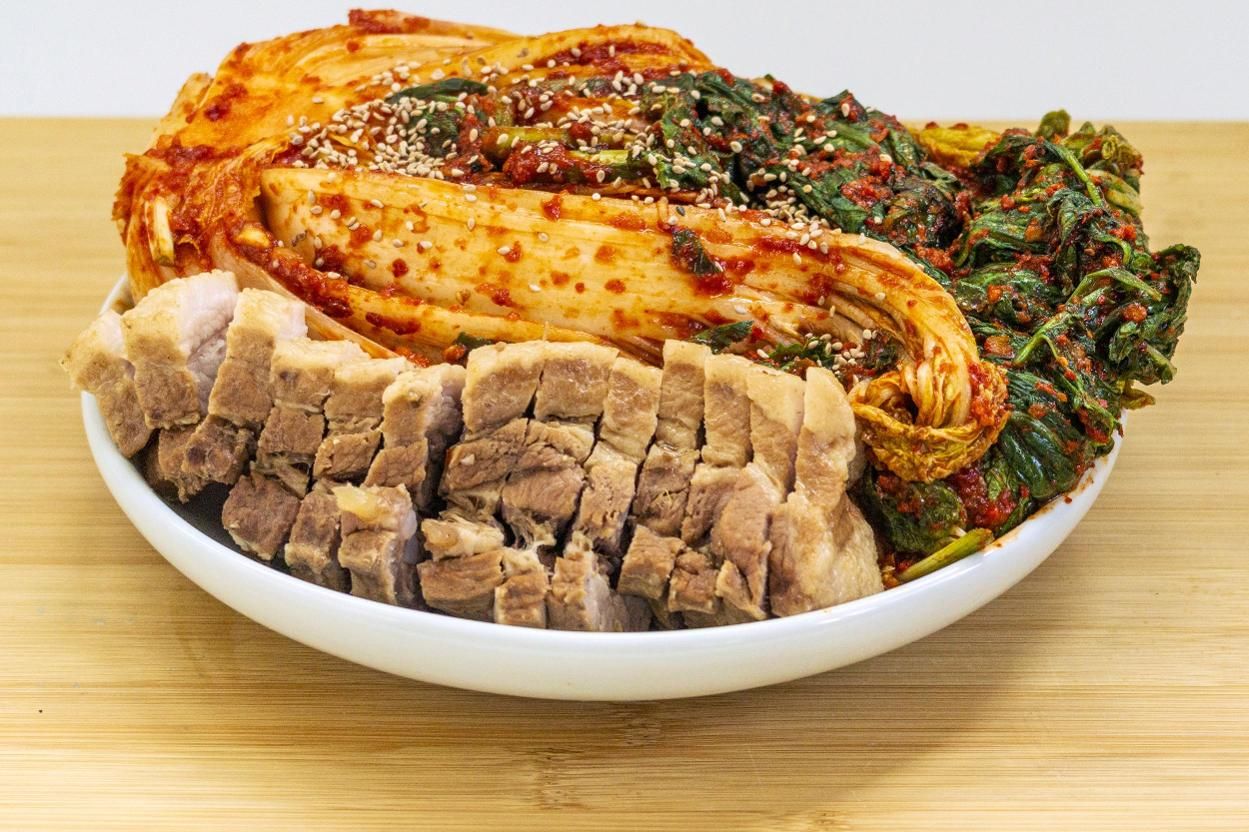
As Korea's annual kimchi-making season approaches, a traditional food pairing known as suyuk has been drawing attention for its potential health benefits. Suyuk consists of tender boiled pork slices served alongside freshly made kimchi. This combination was once a common end to the labor-intensive practice of kimjang, where families and neighbors gathered to prepare large amounts of kimchi for the winter.
Kimjang involved salting napa cabbage, preparing seasonings, and packing the kimchi into containers. The process was physically demanding, and the shared meal of kimchi and boiled pork provided a welcome reward for the workers.
Although kimjang remains a culturally significant tradition, its practice is declining in Korean households. According to the Korea Rural Economic Institute, 58.6 percent of surveyed households reported that the tradition is becoming less common. Despite this shift, the pairing of suyuk and kimchi continues to offer potential health benefits.
Pork provides essential nutrients involved in energy metabolism, while cabbage and kimchi seasonings contribute dietary fiber and antioxidants. The combination of these ingredients may provide a balanced and nutritious meal, even as the tradition of kimjang fades away.
Written by urgent.news from The Korea Times's reporting — not their text. Machine-written — may contain errors; check the original before relying on it.
This story
This is one outlet's version. Read the fullest account.