Who will work Ukraine's farms as the workforce shortage deepens?
On my way back to Kyiv in October after visiting my partners in eastern Ukraine, I had to get off the train in the middle of the night because Russian drones were headed our way. The foundation I chair teaches displaced Ukrainian women to operate farm machinery through accredited schools, and lately I have been asking myself whether that work makes sense right now. Mobilization and emigration…
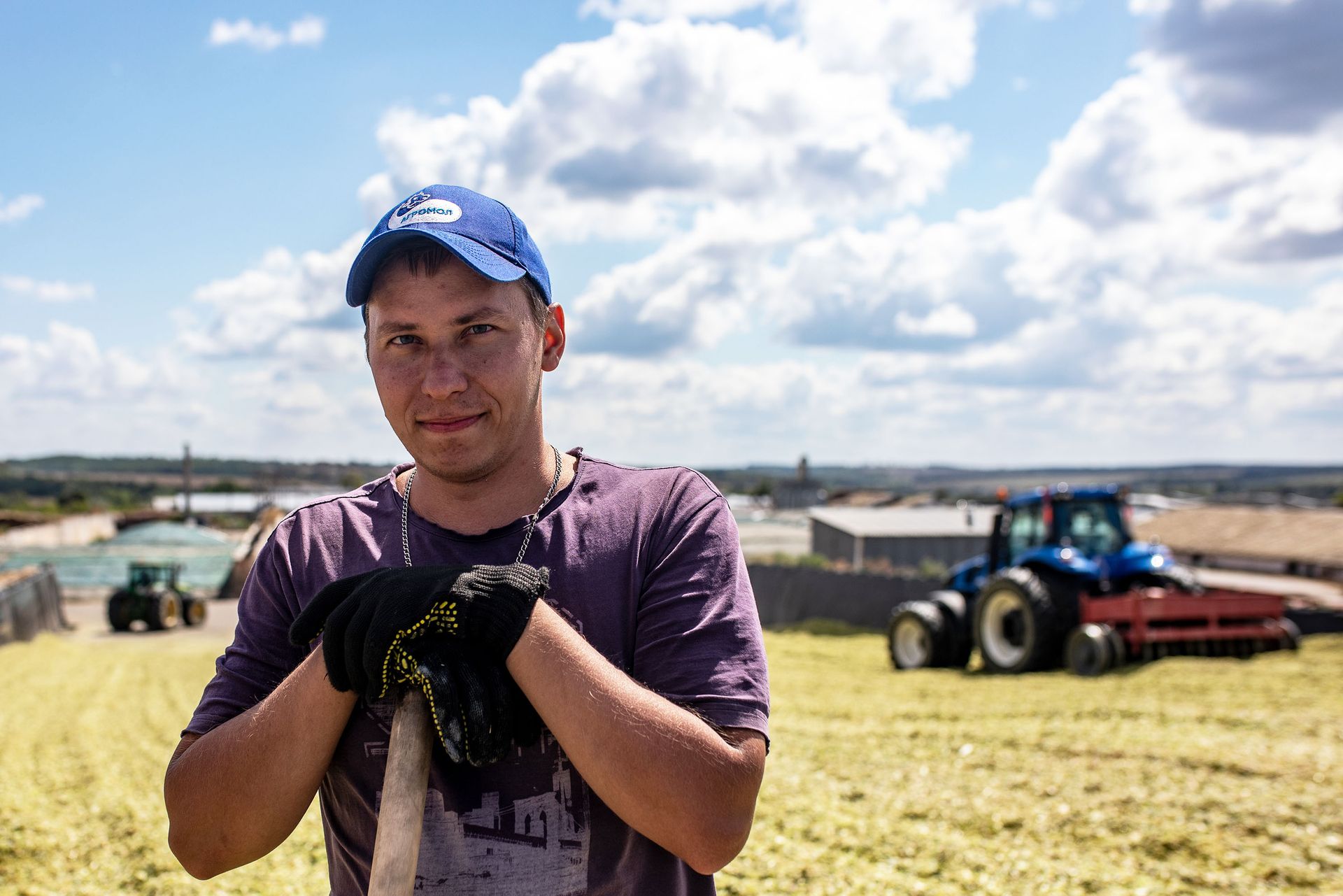
The workforce shortage in Ukraine's farms has become a critical issue as the war continues to disrupt the country's agricultural sector. Russian drones and strikes on infrastructure have left many men away from the fields, and even as the war ends, the men who left may not return. Farms need to rethink who they consider for these jobs, as Russian strikes on ships and terminals have severely impacted exports, and rail, river, and road transport carried less than half of what Ukraine needed to export by late October 2026.
With grain trapped in the country, farm-gate prices for wheat and barley fell below production costs, making it difficult for farms to keep up with bills and hire workers. Seed and fertilizer distributors report they are already chasing unpaid invoices, and few want to sell on credit again. Agroholdings have tried to compensate for missing workers by buying wider implements for their machines, but these technologies may not always work in the Ukrainian environment.
A significant barrier to hiring is the low prestige and physical demands associated with farm work, as well as the need to live in the countryside. Additionally, pay for farm work has risen, but young Ukrainians are not attracted to the profession. Only 1% of 13-to-16-year-olds express interest in working in agriculture. The Ukrainian Agribusiness Club identifies low pay, physical demands, and rural location as key reasons for the shortage, which has tripled since the invasion.
Farms must consider hiring women, veterans, or older workers, as they are currently underrepresented in the agricultural workforce. Around 3 to 4 million Ukrainian women are outside the labor market, with 73% of surveyed women expressing interest in working, particularly in agriculture. However, they face obstacles such as low pay and employer bias.
Additionally, over 1.4 million Ukrainians are registered as combat veterans, and many are returning home injured or elderly. The government should explore whether workplace-adaptation subsidies cover modifications to tractors and combines for veterans with disabilities. To address the workforce shortage, mid-size farms may need to hire women, veterans, or older workers, despite the higher wages offered by agroholdings. Local employment offices could help farms identify suitable candidates before vacancies arise.
Written by urgent.news from Kyiv Independent's reporting — not their text. Machine-written — may contain errors; check the original before relying on it.