What the Democratic leadership fight is really about
Welcome to The Midterms, Actually, where every week I write about two things: one big idea or trend I see and one thing I’m hearing from a voice on the ground. We’ll be taking a break for the rest of this year, but will be back to cover the key issues and people leading up […]
The recent midterm elections saw Democrats achieve significant victories across the country, driven by a message of accountability and anti-corruption. However, Washington's tendency to ignore voter sentiments emerged as a harsh reality when eleven House Democrats failed to vote on impeaching Defense Secretary Pete Hegseth, thus causing the effort to fail.
The missed vote not only infuriated both progressives and moderates but also unveiled a deeper divide within the Democratic party that goes beyond traditional ideological camps.
While progressive and moderate Democrats bickered over their respective candidates' performances in the midterms, a larger rift existed between an electorate craving change and a Washington establishment entrenched in outdated practices. Candidates like James Talarico in Texas and Scott Colom in Mississippi, who ran against the status quo of both parties, resonated with voters' frustration over the perceived rigging of both the economy and the political system by powerful interests and self-interested politicians.
This shift in voter sentiment is more effectively captured by the "top versus bottom" framework, which underscores the disconnect between the electorate and the entrenched political class. This divide was exemplified by Elissa Slotkin of Michigan, who called for a "new generation of leadership" and urged the party to focus on a comprehensive plan for the upcoming majority's priorities.
Despite not committing to a specific leader, Slotkin emphasized the need for party leaders who understand rural America and have broader geographic diversity among party leaders.
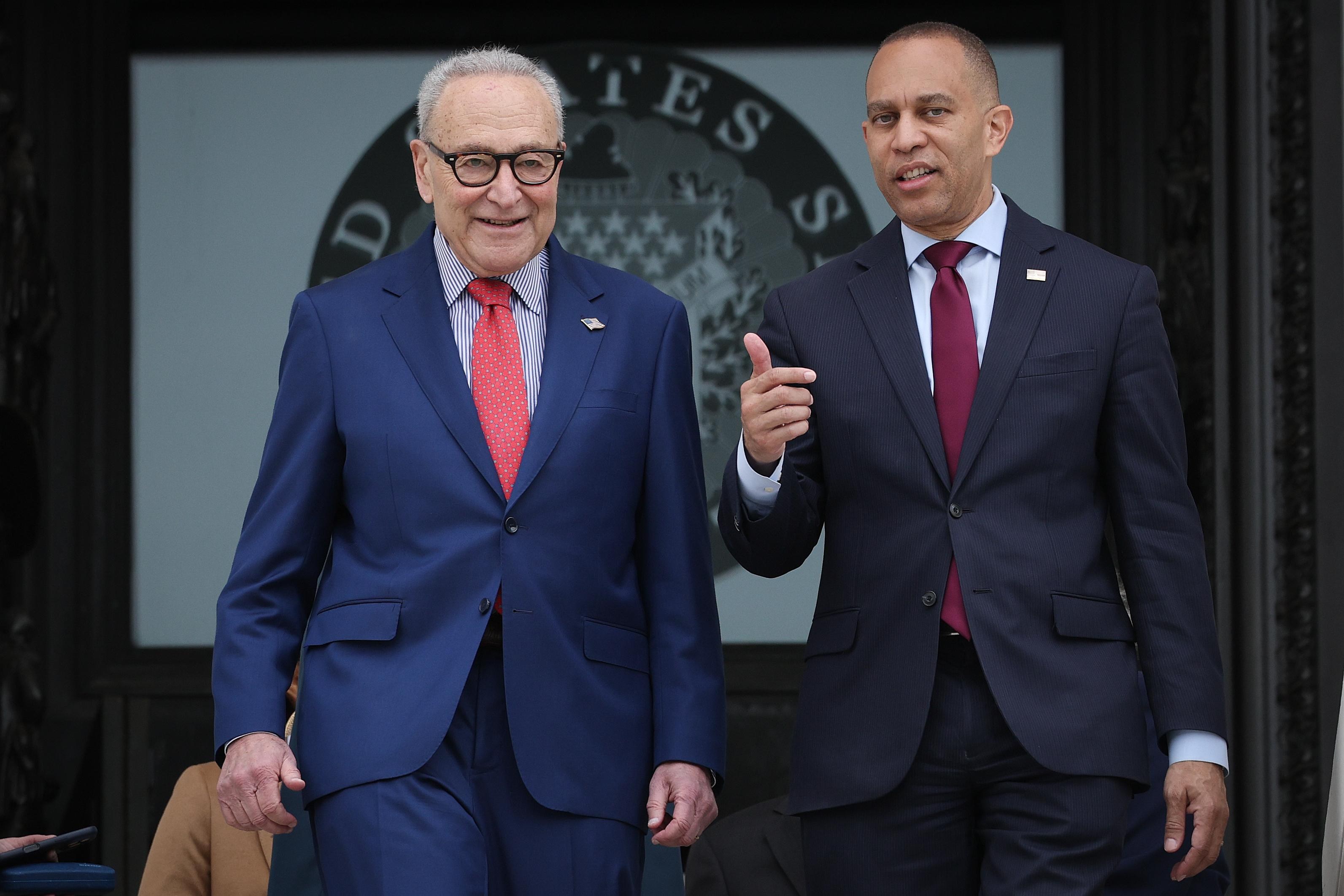
The pressure for congressional Democrats to respond to voter anger remains despite the potential for new leadership from figures like Chuck Schumer or Hakeem Jeffries. The victory in the midterms was about more than just electability or specific policy issues; it was a powerful message of change and a rejection of the status quo within Washington.
As Washington insider David Axelrod noted, the Obama era was marked by an anti-establishment message that challenged both parties and the political environment in Washington. Consequently, Democrats must heed this mandate and work towards altering the political landscape in order to fulfill the voters' demands for change.
Written by urgent.news from Vox's reporting — not their text. Machine-written — may contain errors; check the original before relying on it.